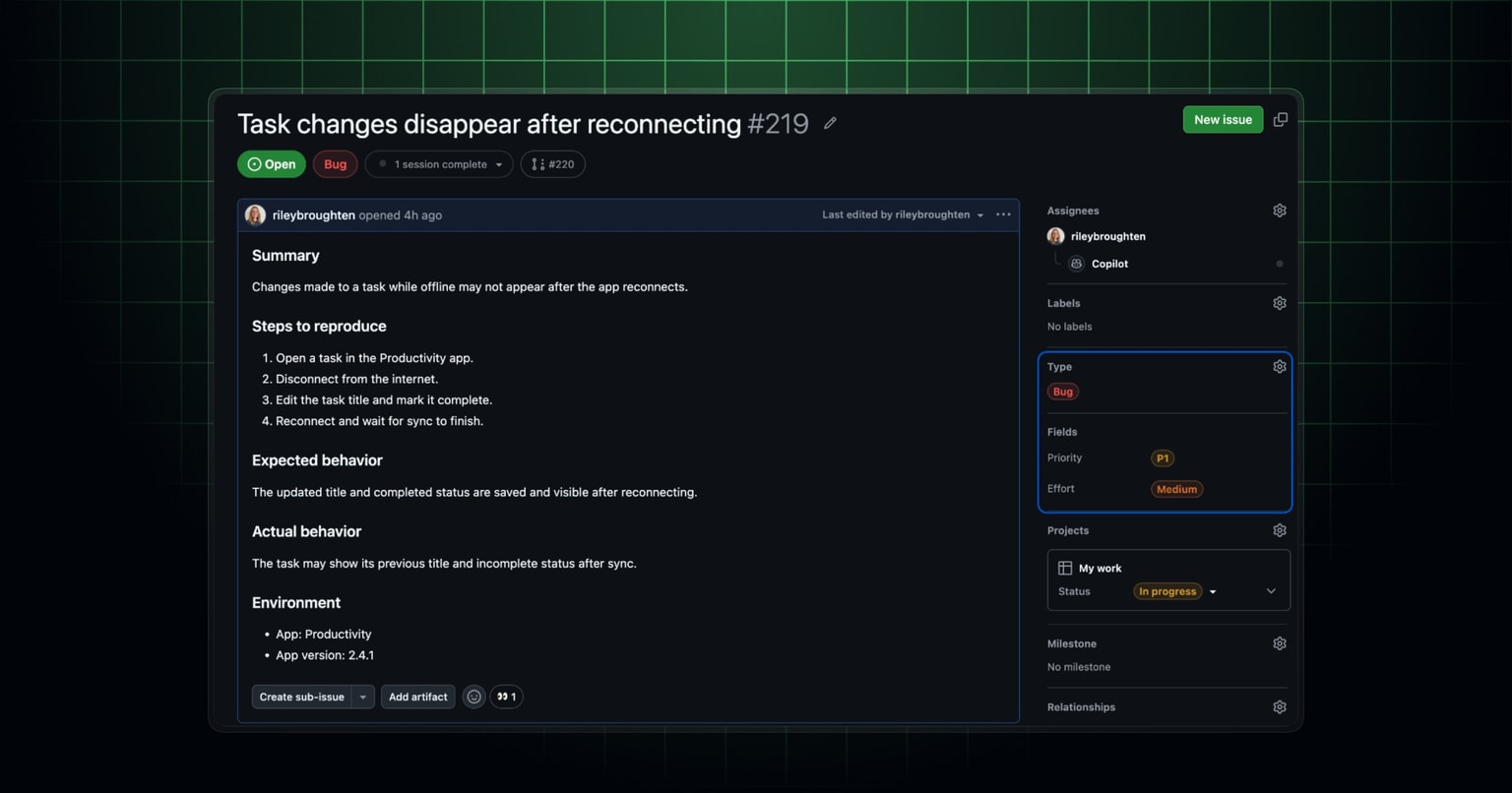
GitHub Issues brings structured types and fields to personal repositories
The November 11 announcement expands planning tools to personal accounts. A short, shared vocabulary matters more than the number of fields.
Explore

The November 11 announcement expands planning tools to personal accounts. A short, shared vocabulary matters more than the number of fields.

A profile PIN restricts profile access, not every aspect of account security. Set it up and check the devices your household actually uses.

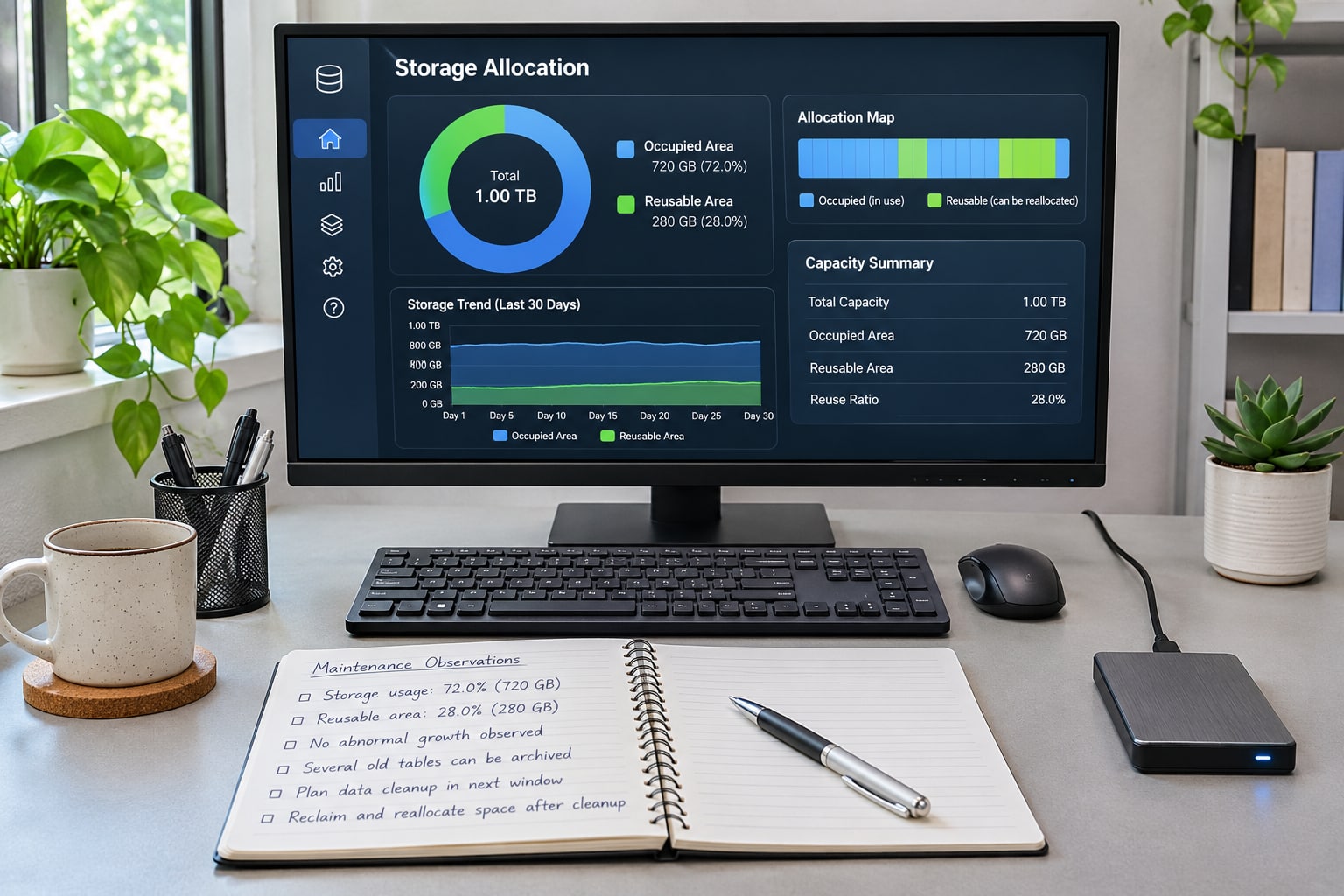
Reusable space, planner statistics and a table rewrite solve different problems. Establish the diagnosis before choosing a heavy operation.

Nearby sharing and a network QR code avoid dictating a password. They do not turn your main network into a guest network.

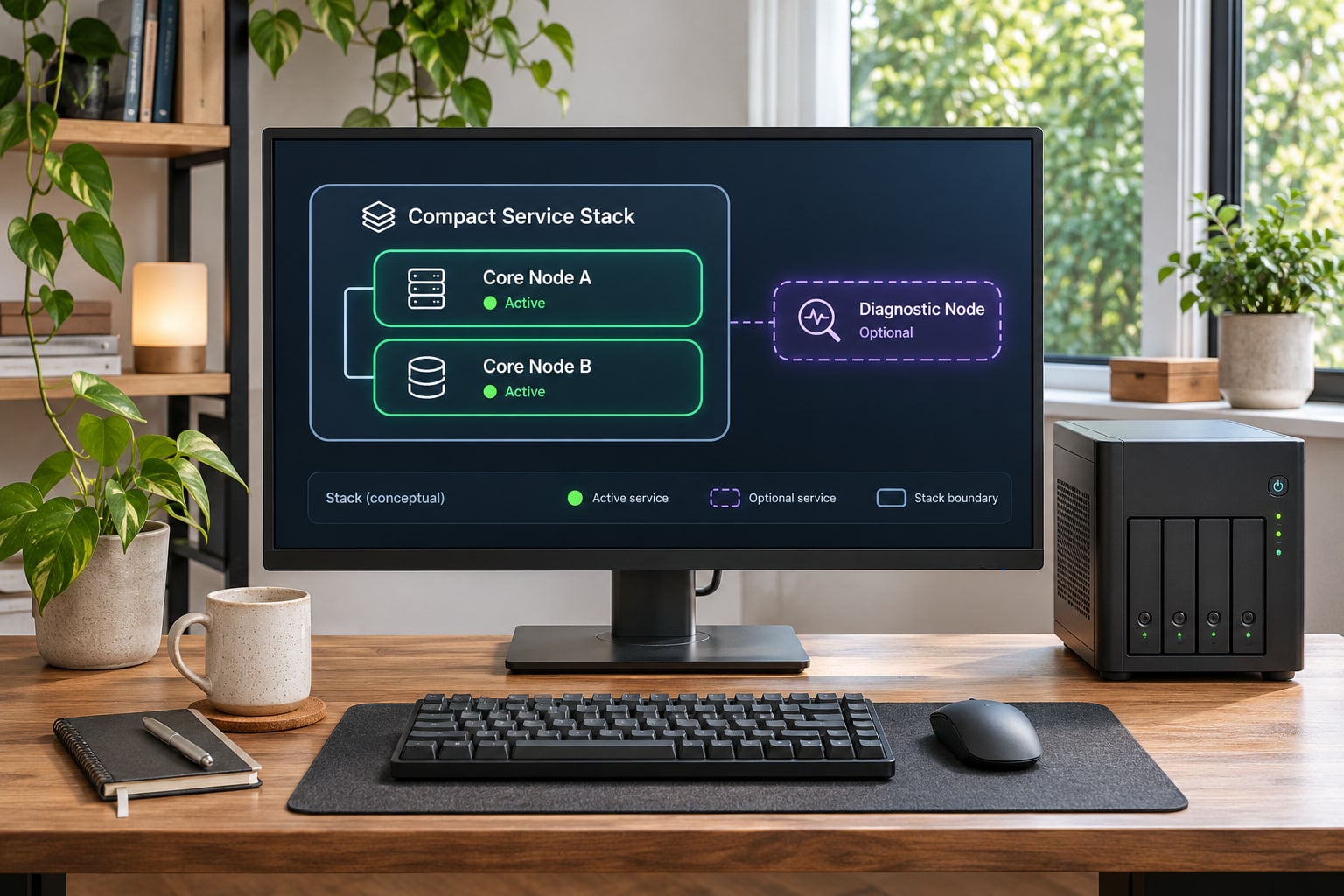
Profiles organise optional services, but an explicit target can activate one. Review the commands as well as the YAML.

Streaming, mirroring and Google documents need different preparation. Test your actual files before discovering an unusable shortcut without internet.

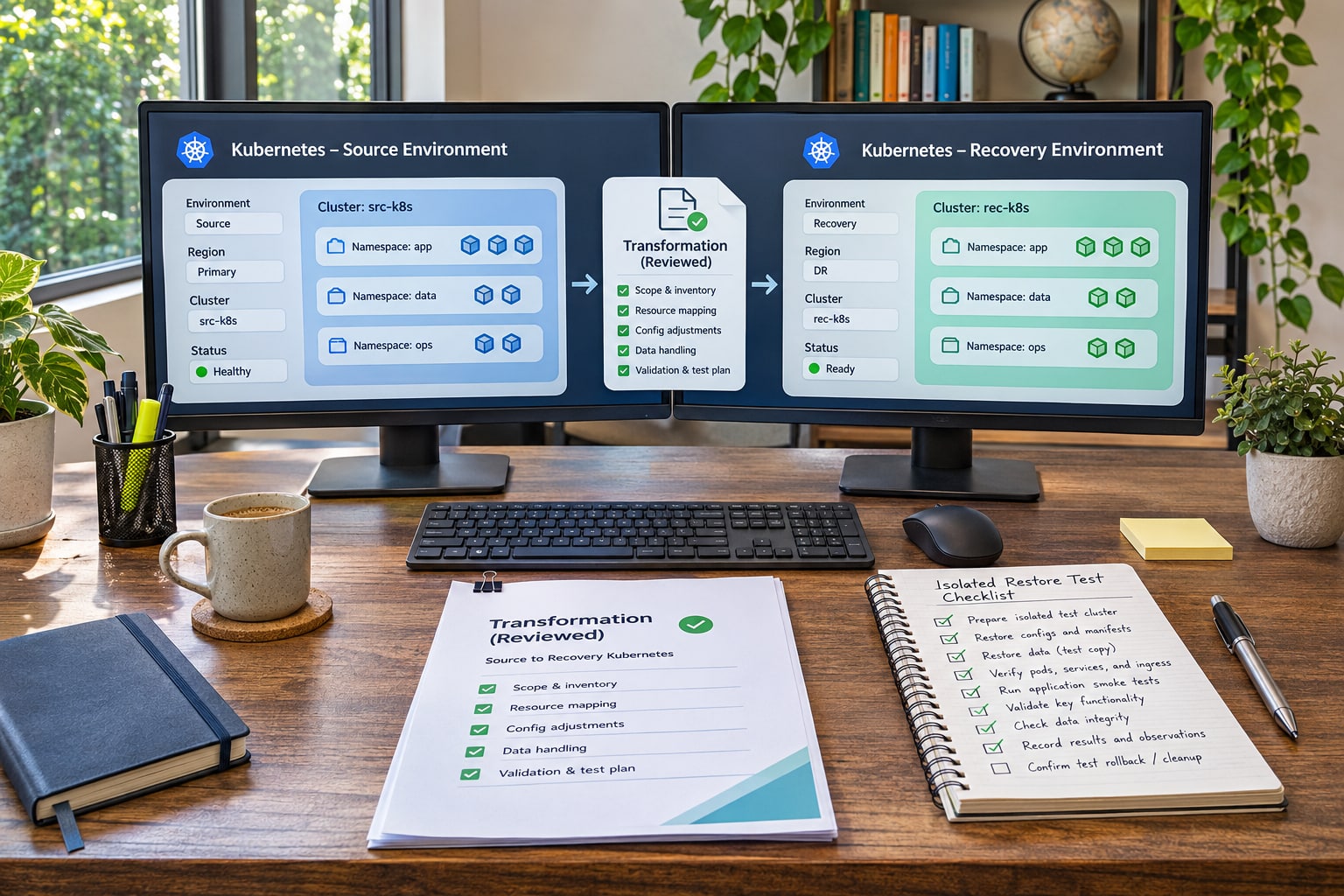
The November 12 resource modifiers adapt resources during restoration. Their value depends on an explicit mapping and a tested recovery process.

Writing tonight and sending tomorrow can be convenient. Check the time zone, the scheduled folder and what happens when you cancel.

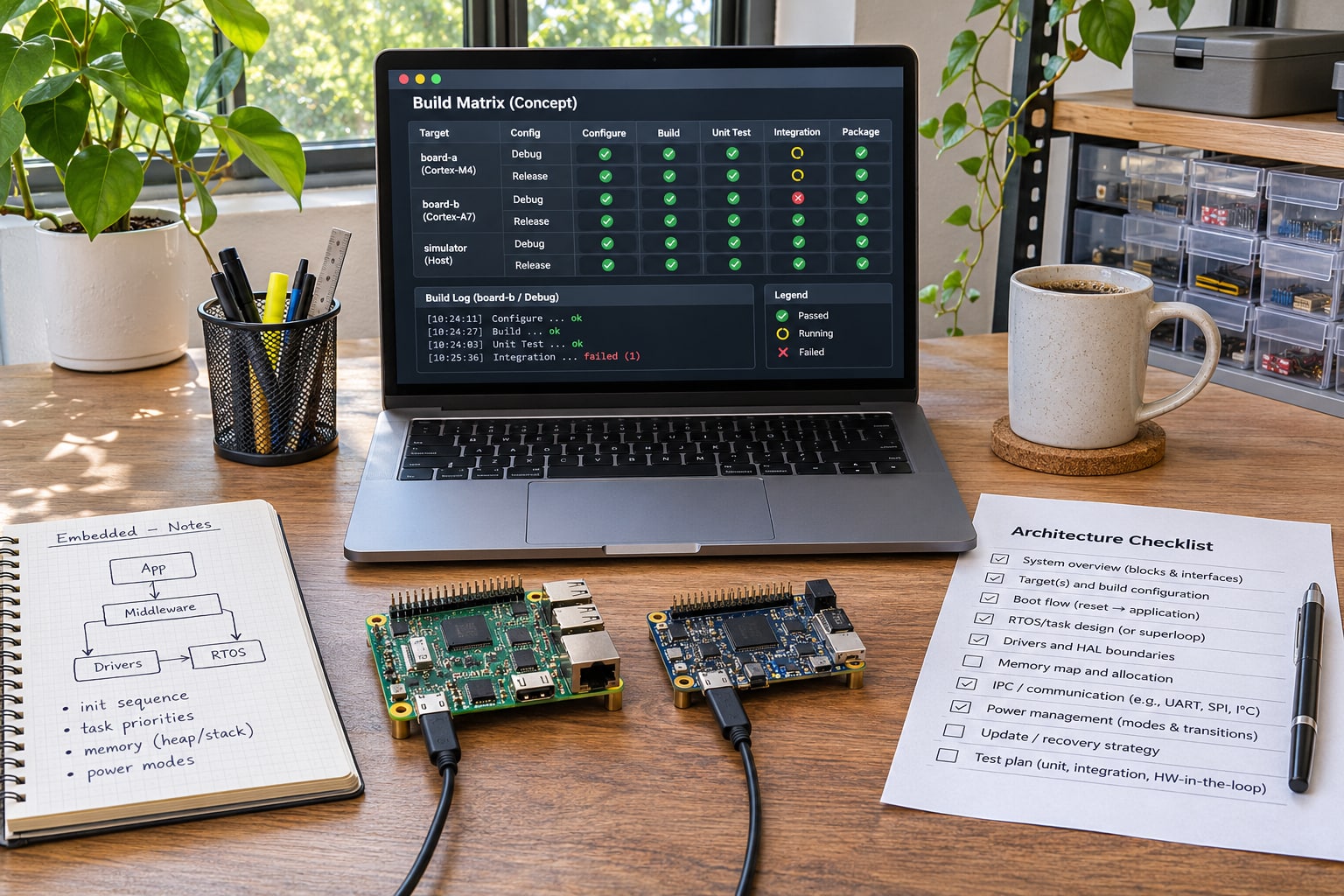
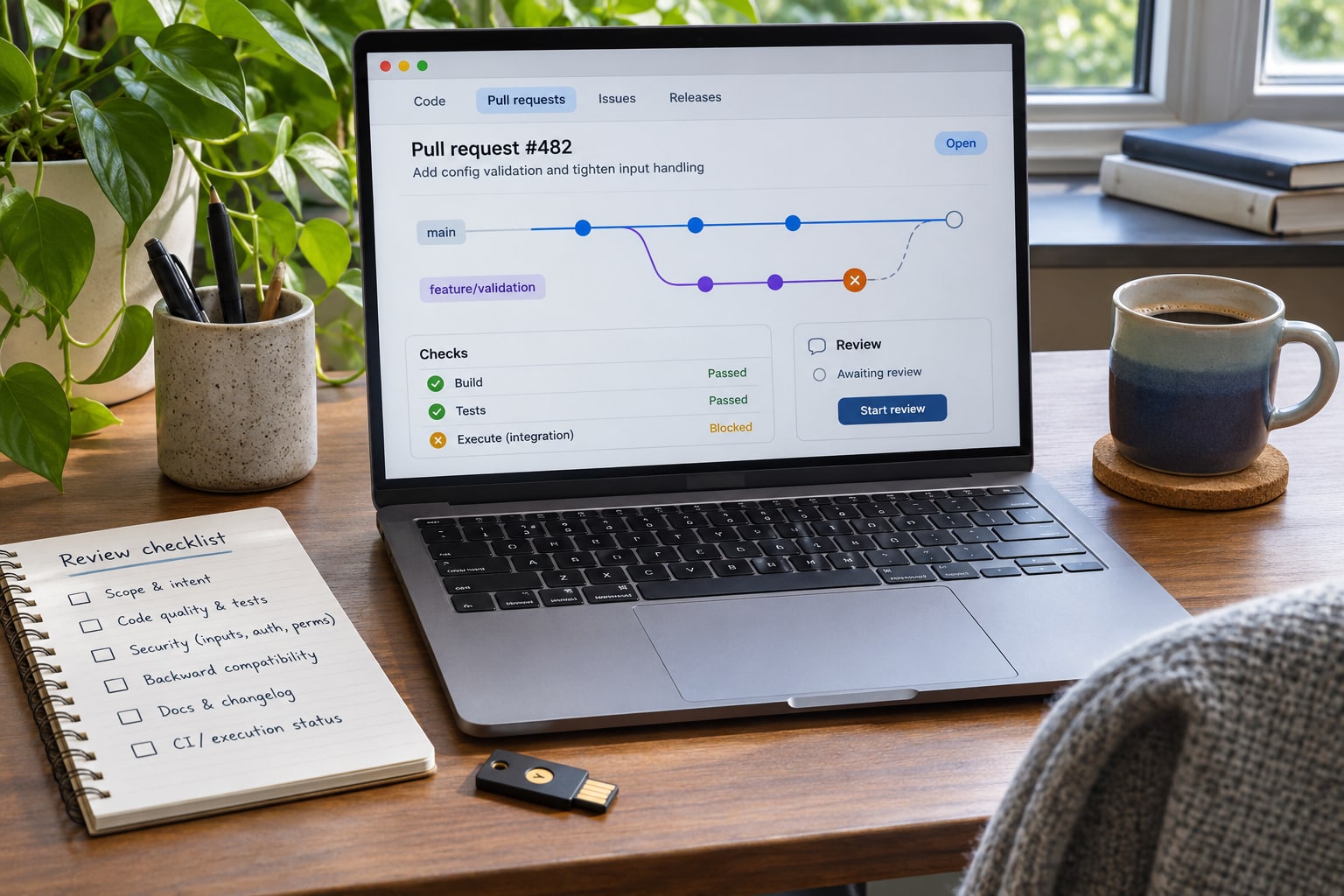
The November 12 announcement concerns ARM32 execution on hosted runners. A 32-bit build target and its build machine are not the same thing.

Break reminders, bedtime reminders and sleep timers do different things. Choose the relevant setting and understand its limits.

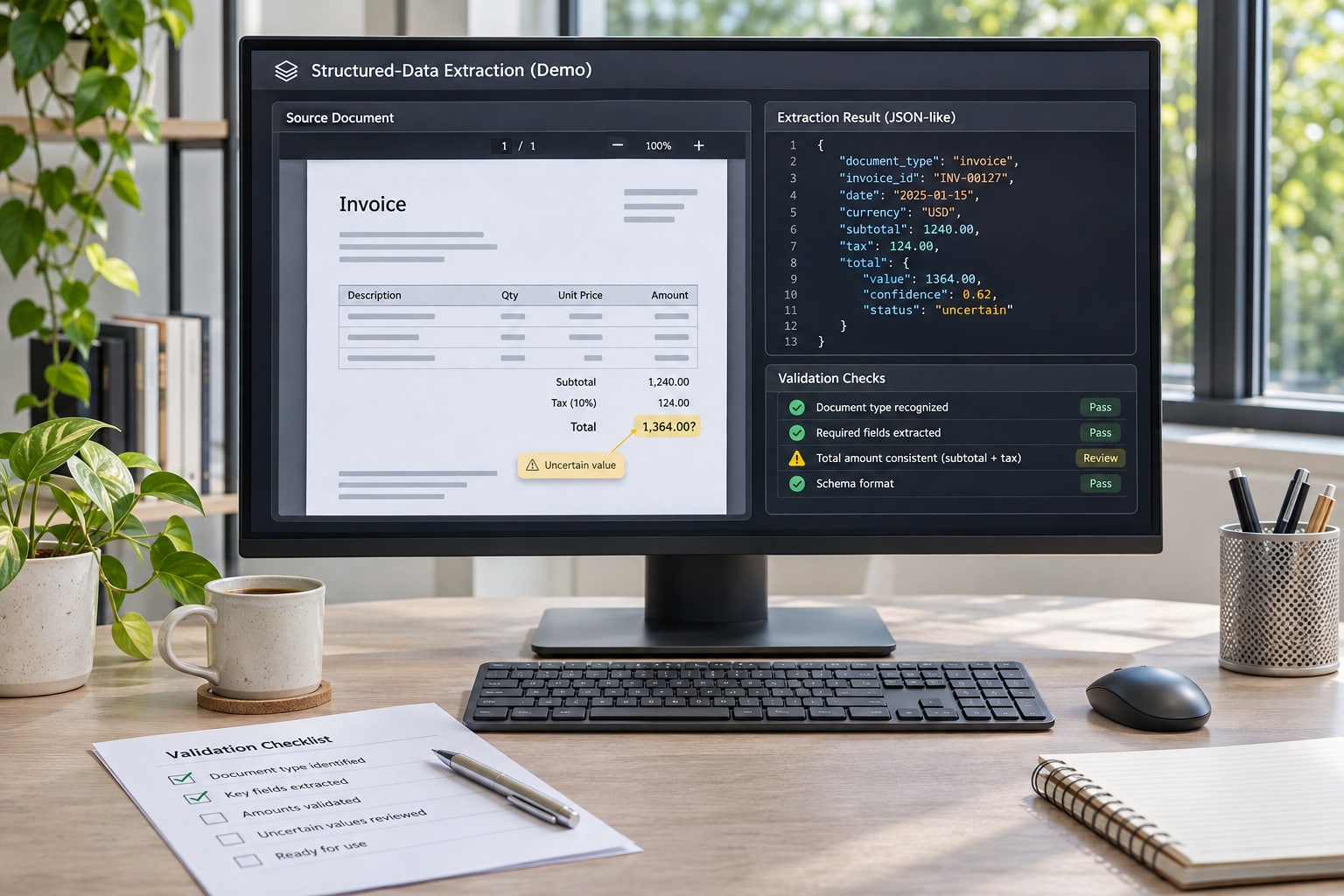
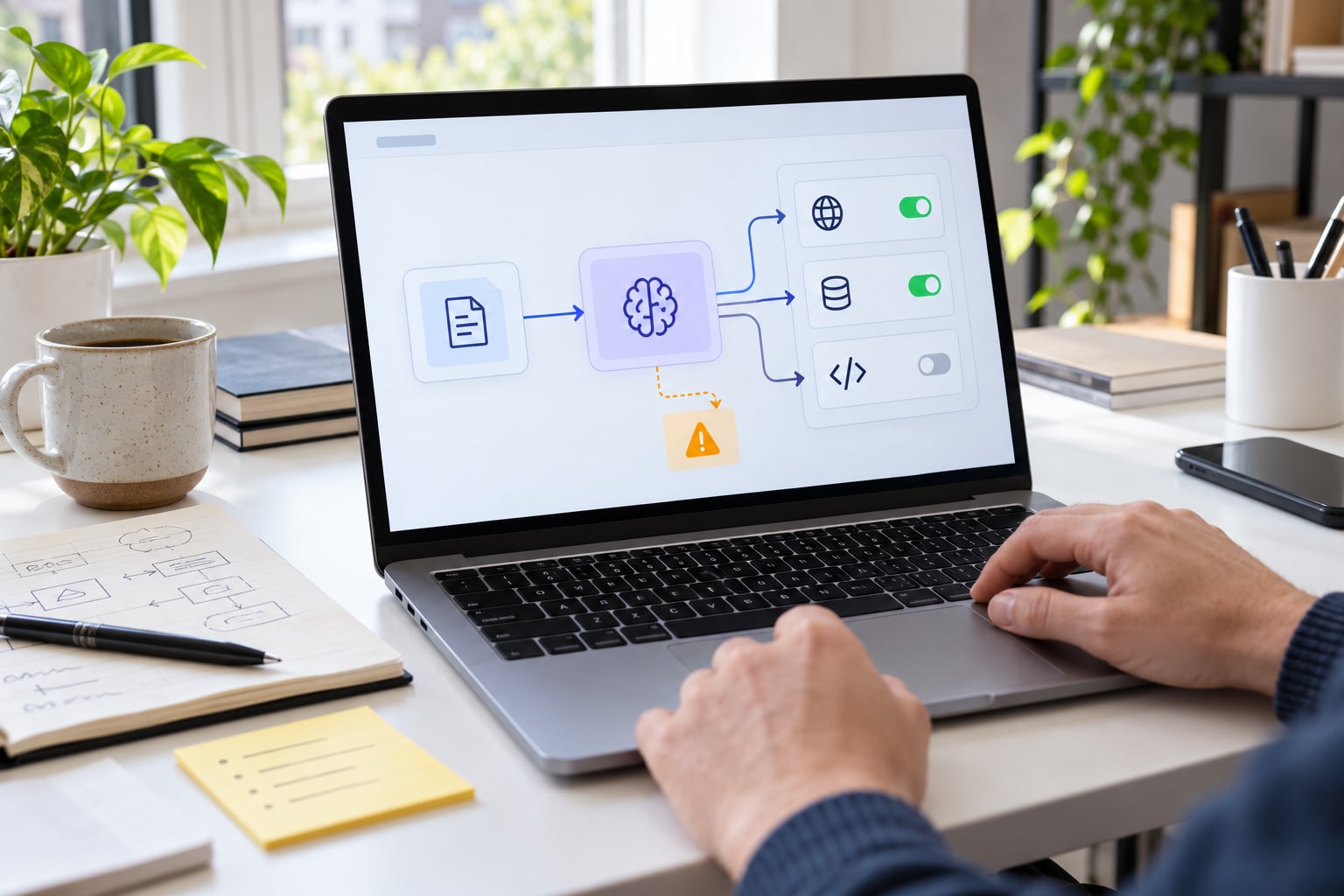
Structured output makes integration easier. Verify schema, source, units and permissions separately before a business action.

Supported local co-op games can be played remotely. Check the host, controls and connection before your game night.

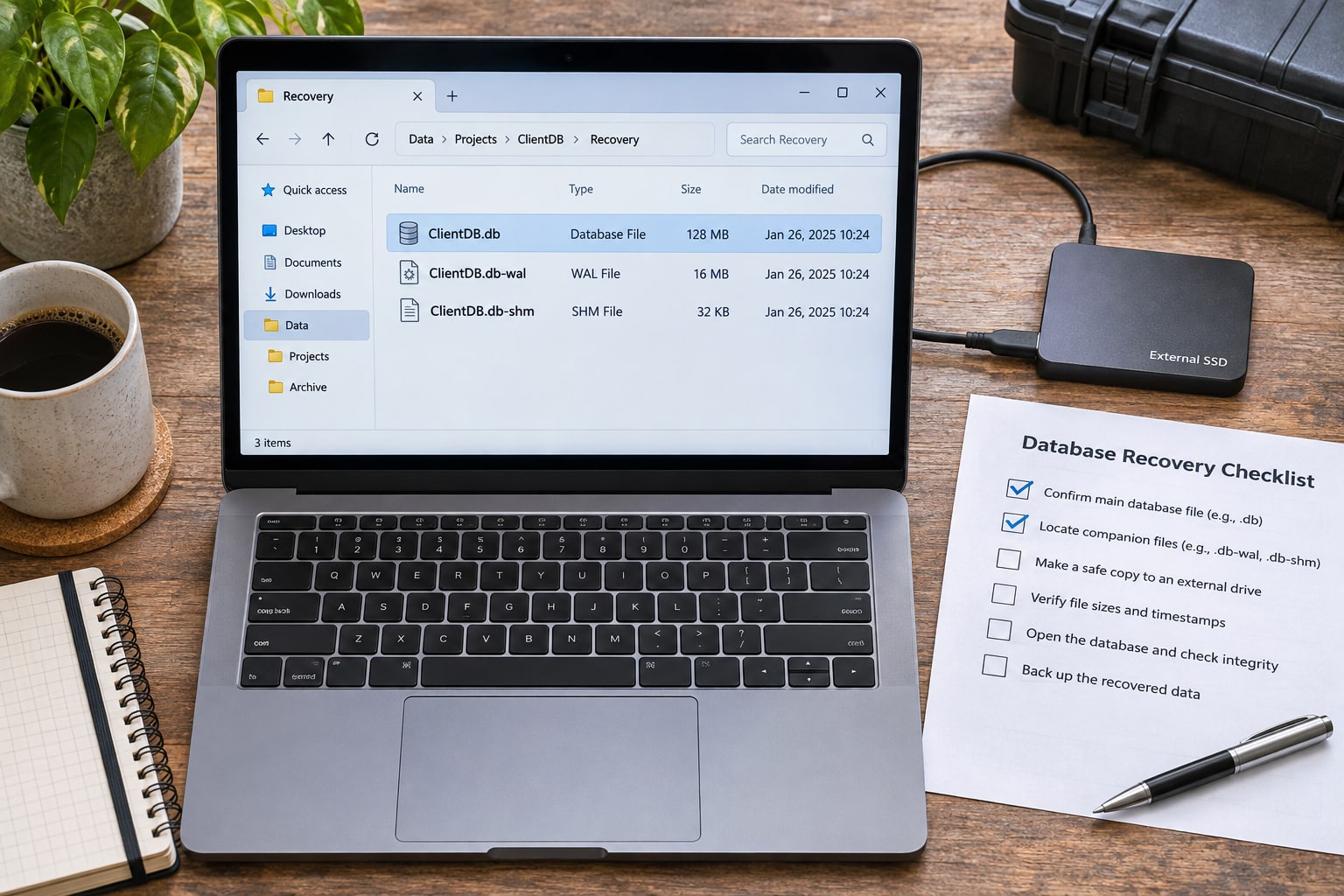
The main file does not always capture an open database's entire state. Understand companion files and choose a consistent backup method.

Internet source, password and data use: prepare a mobile hotspot without assuming it replaces a permanent router.

Reporting mode helps prepare a content policy. It does not block resources, and the reports themselves need careful handling.

Precision and access timing are separate settings. Choose what is useful without blindly disabling every location feature.

Partial indexes target a subset of rows. Their usefulness depends on predicates, real queries and maintenance cost.

Partner sharing can send new images automatically. Review selection, recipient account and copies already saved.

GitHub announced a pause for most repositories inactive for a year. Software still deployed may nevertheless need monitoring.

Home keys announced on November 11 require a compatible setup. Matter, Aliro, NFC and approach unlocking are not interchangeable.

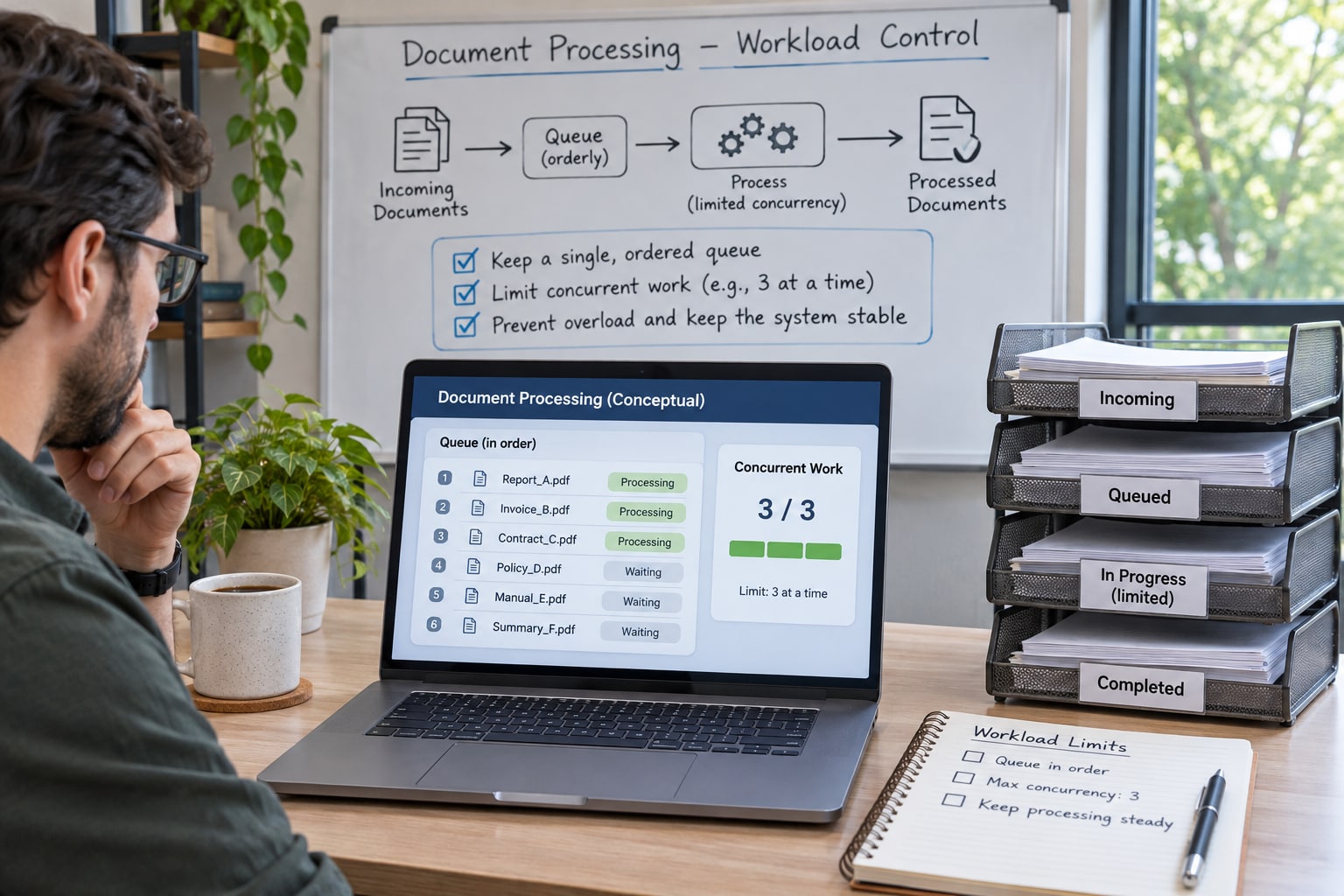
The November 5 announcement raises execution and request quotas. Check region, dependencies and budget before expanding a processing queue.

The November 10 release adds Mini Window and Picture-in-Picture playback speed. What changes and how to try it without reorganising everything.

The November 9 announcement extends detection to completed logs. Check scope, missing preview notifications and your response to a leak.

A conversation missing from history is not necessarily deleted immediately. Use temporary chats without sharing unnecessary information.

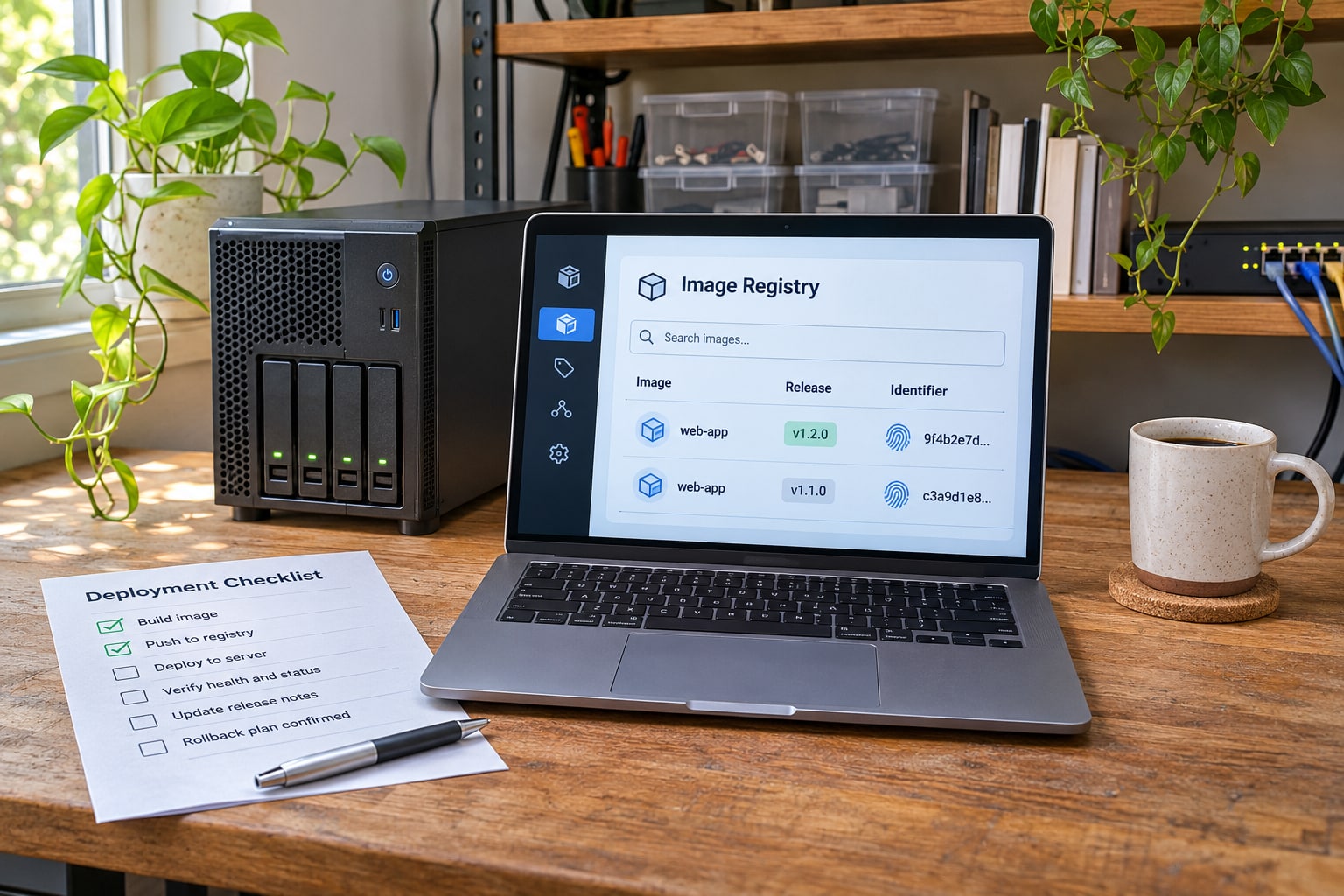
A digest identifies exact content; it does not keep that content updated. Plan selection, validation and recovery together.

Storing games, playing them and protecting save data are different needs. Identify the problem before choosing an expansion drive.

Identify blocking sessions, distinguish timeouts and plan an intervention before interrupting a production transaction.

Expiry, access revocation and SMS codes can help. They do not make a message impossible to copy or photograph.

Query accuracy and metadata are changing. Compare analysis results before concluding that a vulnerability disappeared.

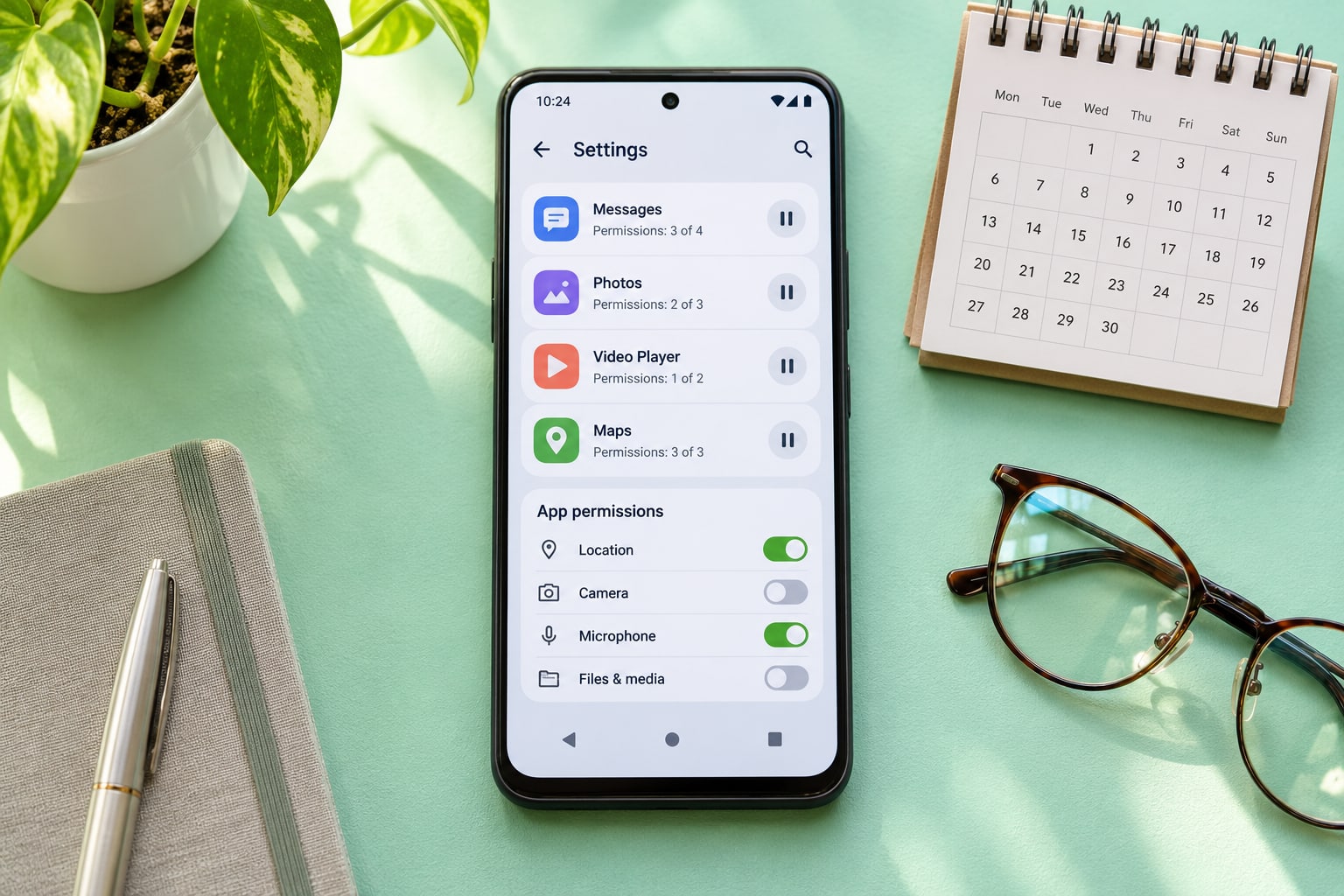
Unused-app optimisation can remove permissions. Check that setting before reinstalling an app or granting every permission.

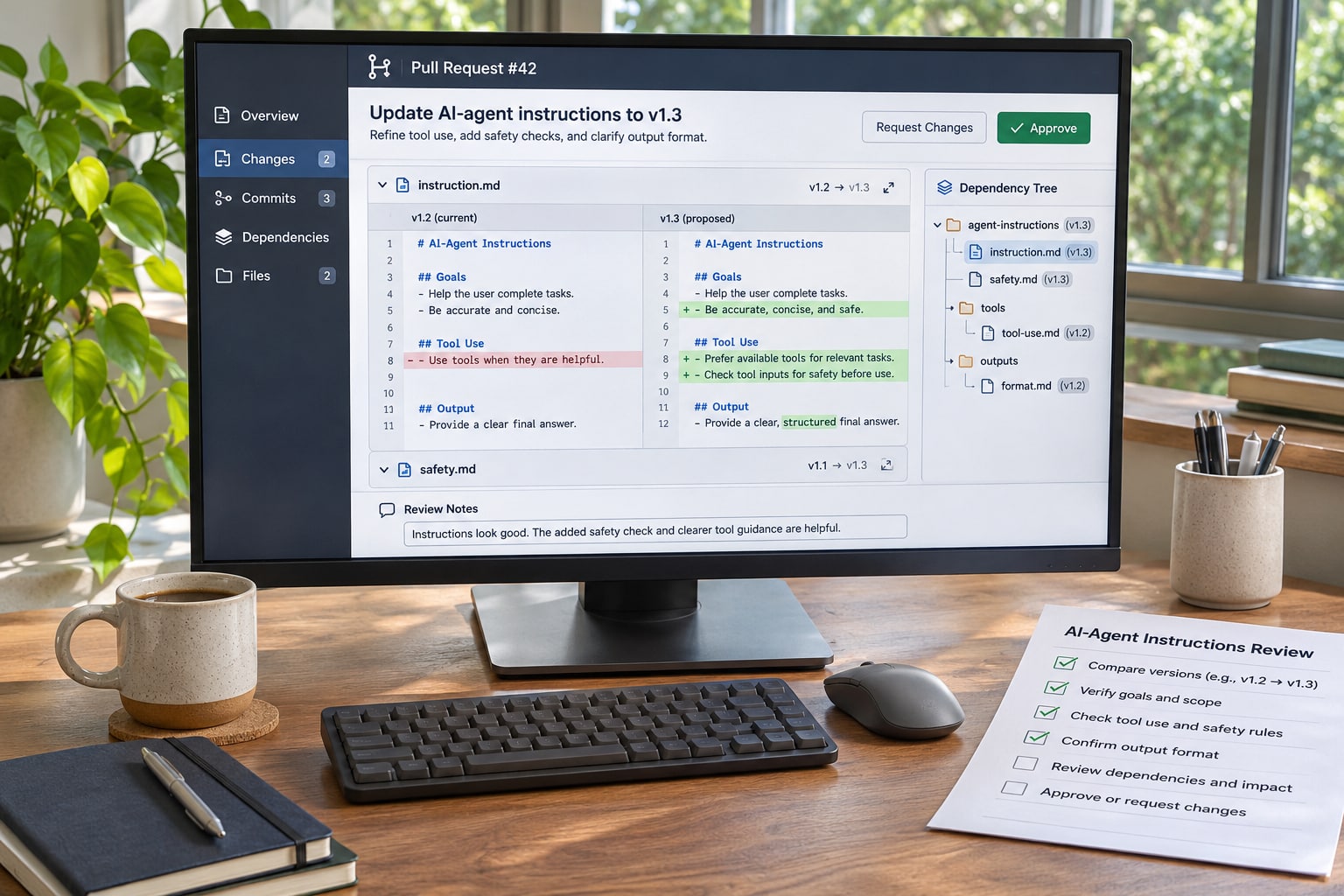
The November 3 announcement adds APM version updates. An automated pull request is not a security assessment of agent behaviour.

Compatible devices, expiry and account sign-in: prepare your episodes without discovering the limits after losing connectivity.

The November 2 rollout limits how long a leaked token remains useful. Existing sessions and other credentials still need review.

Choosing individual images and granting library access are not always the same thing. Review permissions without disrupting everyday use.

Public repositories, temporary enforcement and targeted exceptions: understand the November 2 announcement without broadly reopening workflows.

Review linked devices, disconnect forgotten sessions and understand what signing out cannot erase.

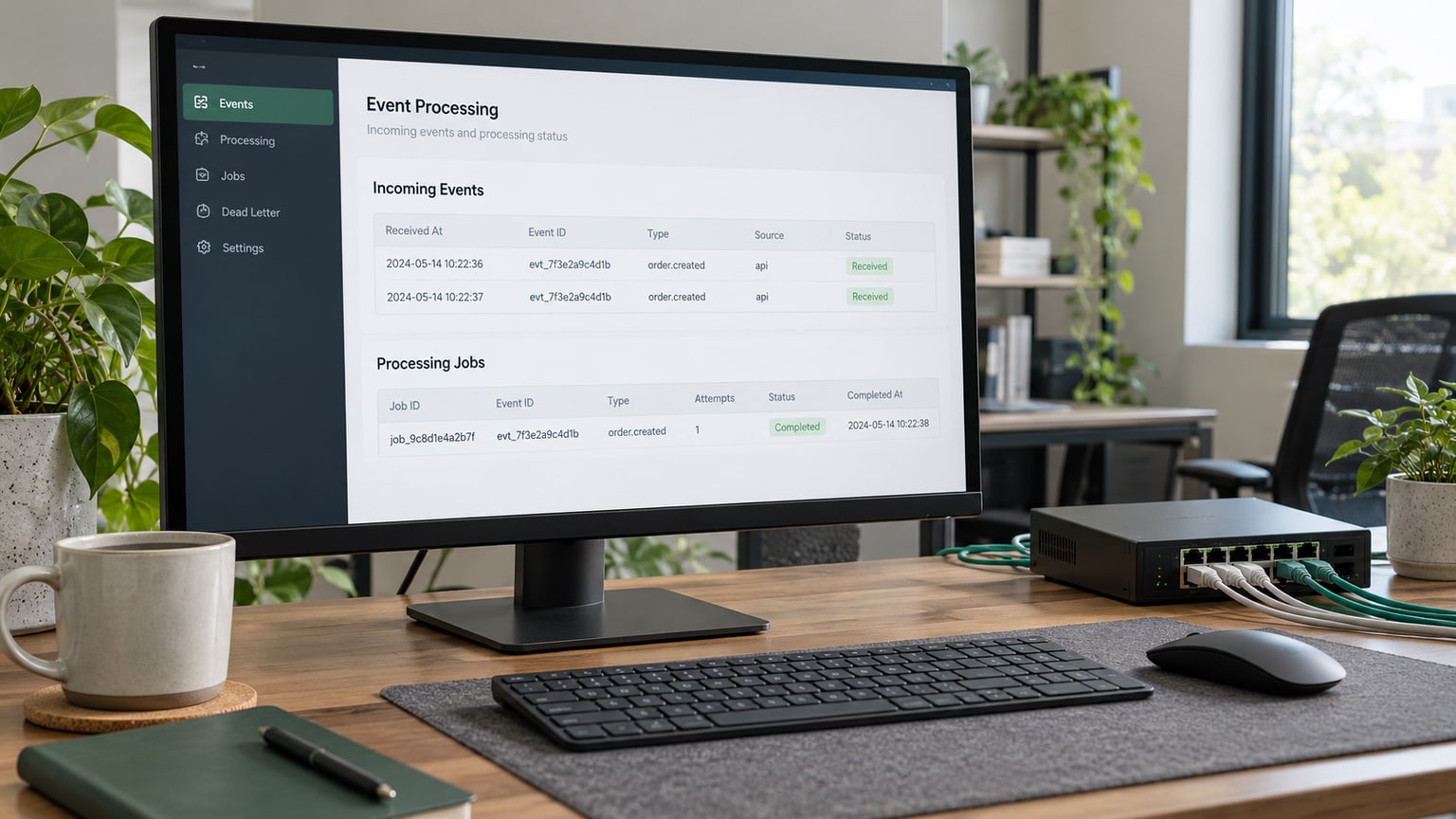
Receiving an event twice should not create two orders. Use identifiers, durable storage and recovery tests to make webhook processing reliable.

Temporary files, Recycle Bin and OneDrive documents follow different rules. Choose useful cleanup while retaining files needed offline.

File-mounted secrets reduce some exposure without becoming an encrypted vault. Map access and prepare rotation before changing deployment.

Manual or background capture: choose a useful setup, watch disk usage and review a clip before sharing it.

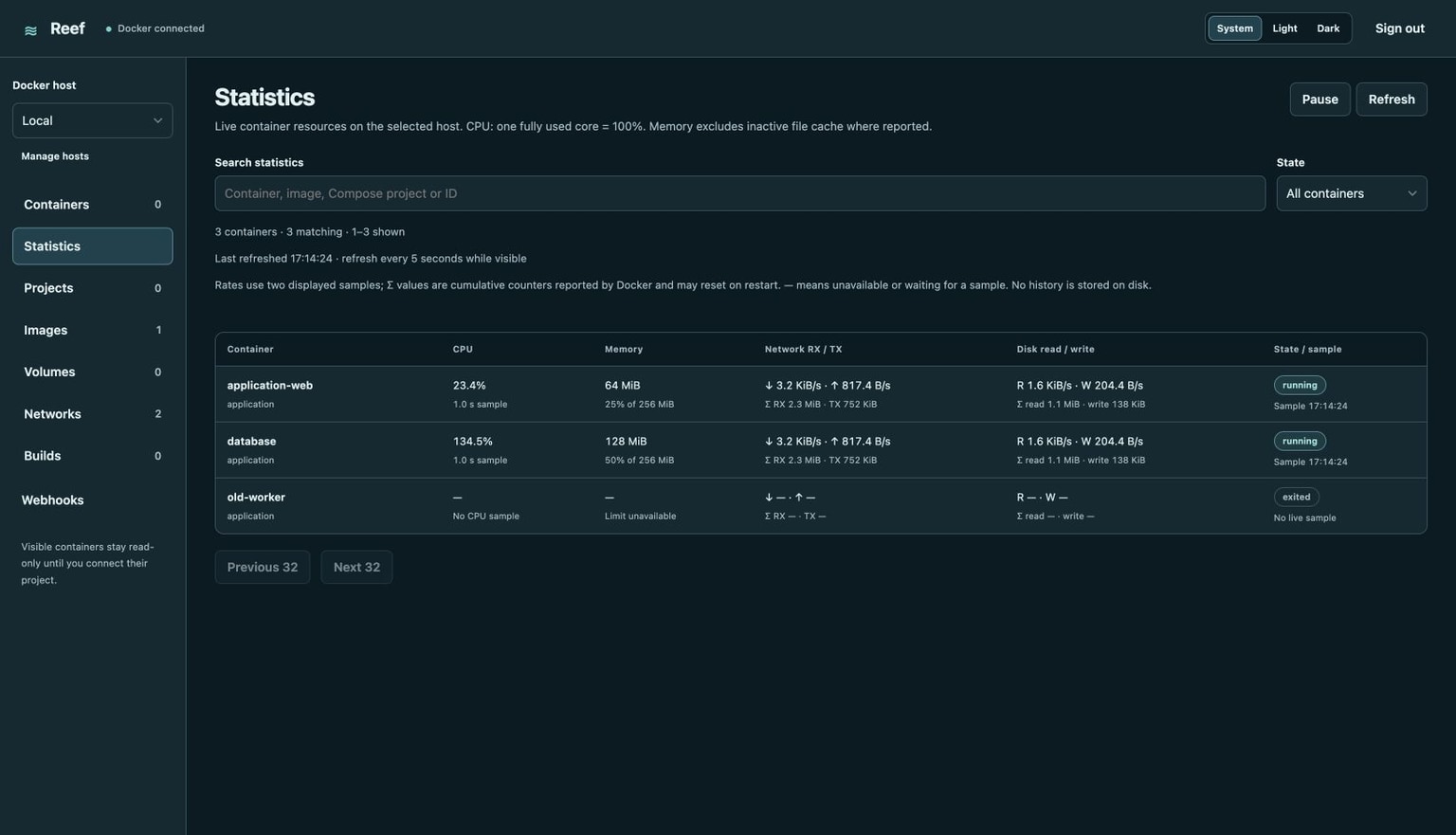
Containers, Compose projects, logs and remote hosts: Reef brings Docker operations together. Examine the open project alongside its permissions and limits.

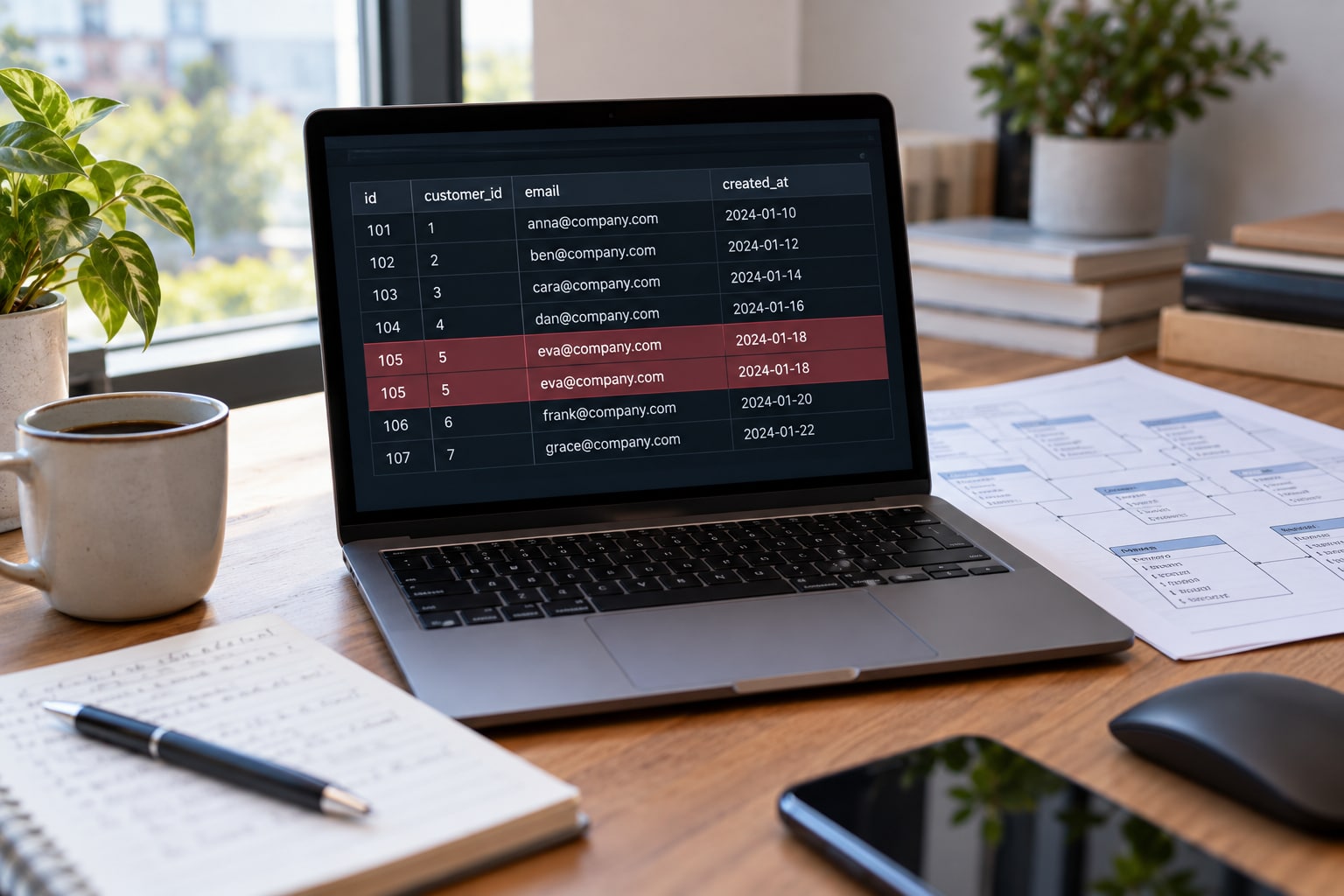
A unique column does not necessarily treat missing values as duplicates. Define the intended rule and test concurrent writes.

Archive, albums and deletion have different effects. Tidy screenshots without losing photographs or expecting space savings that will not happen.

Location, timing, changing plans and blocking: a simple way to move from a proposed activity to a prepared meeting.

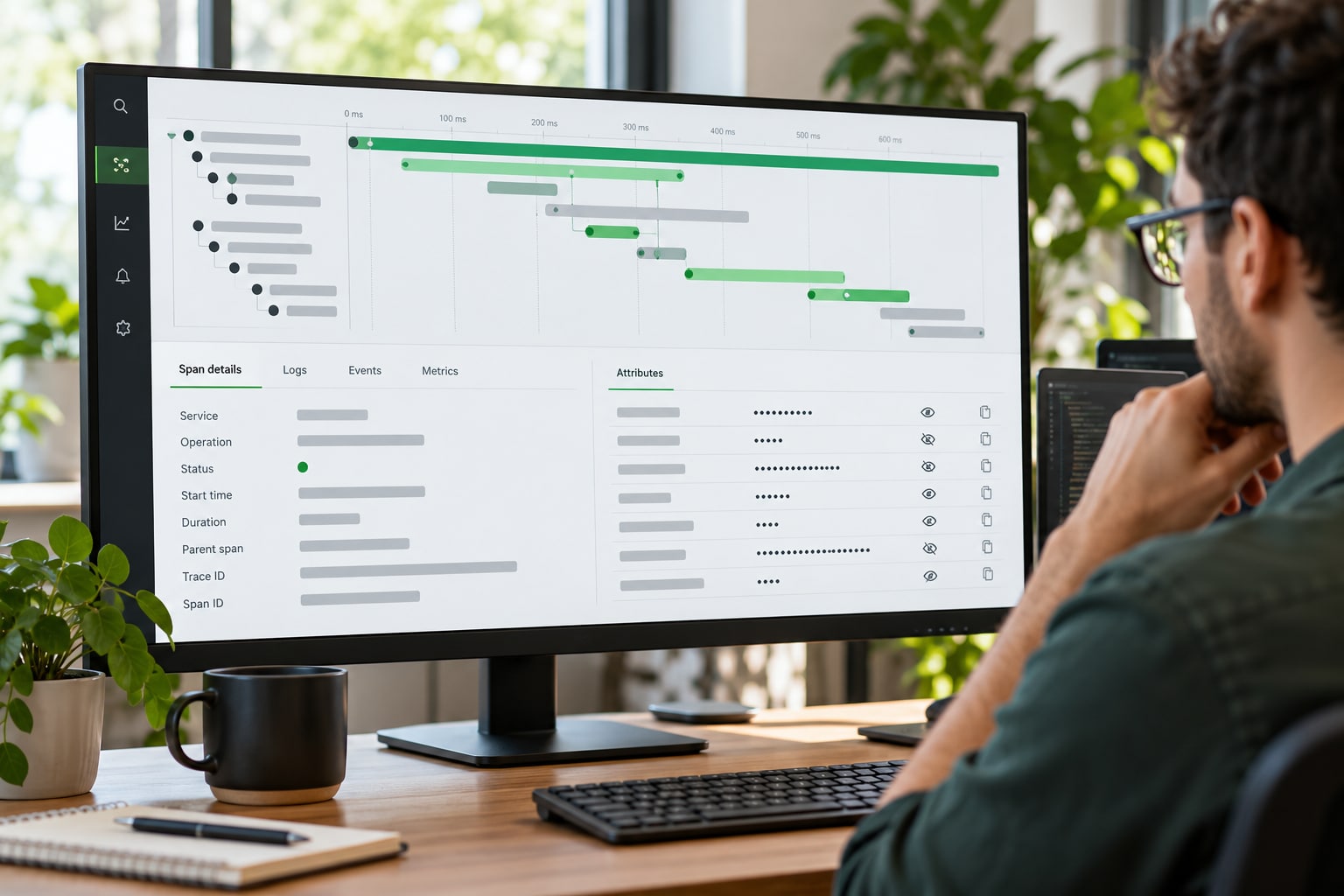
Traces can carry confidential URLs and attributes. Reduce collection, filter before export and test outputs without using real secrets.

A shared queue is not a permanent playlist. Understand guest permissions, remote listening and the host's role before inviting everyone.

History import reduces manual entry, but permissions, units and time windows still need to be understood before interpreting a summary.

Agentic Workflows are generally available. Define scope, permissions, cost and evidence before starting a pilot.

A relay address protects your personal address, not your entire identity. Understand Apple sign-in before disabling forwarding.

Add an item, read a list and link the right household: capabilities in the project, without assuming universal skill availability.

Indirect prompt injection, sensitive disclosure and excessive agency enter code scanning. The preview does not replace runtime controls.

Theft detection, offline locking and remote locking protect different situations. Check availability and limits on your own Android device.

Local use, optional accounts and offline limits: understand where saved links live before replacing a phone.

The JavaScript and TypeScript preview adds call-path evidence. Understand verdicts, requirements and the shortcuts that weaken vulnerability triage.

Native macOS sharing, sidebar passwords and a gradual Smart Window page-watching rollout: the useful changes in Firefox 159.

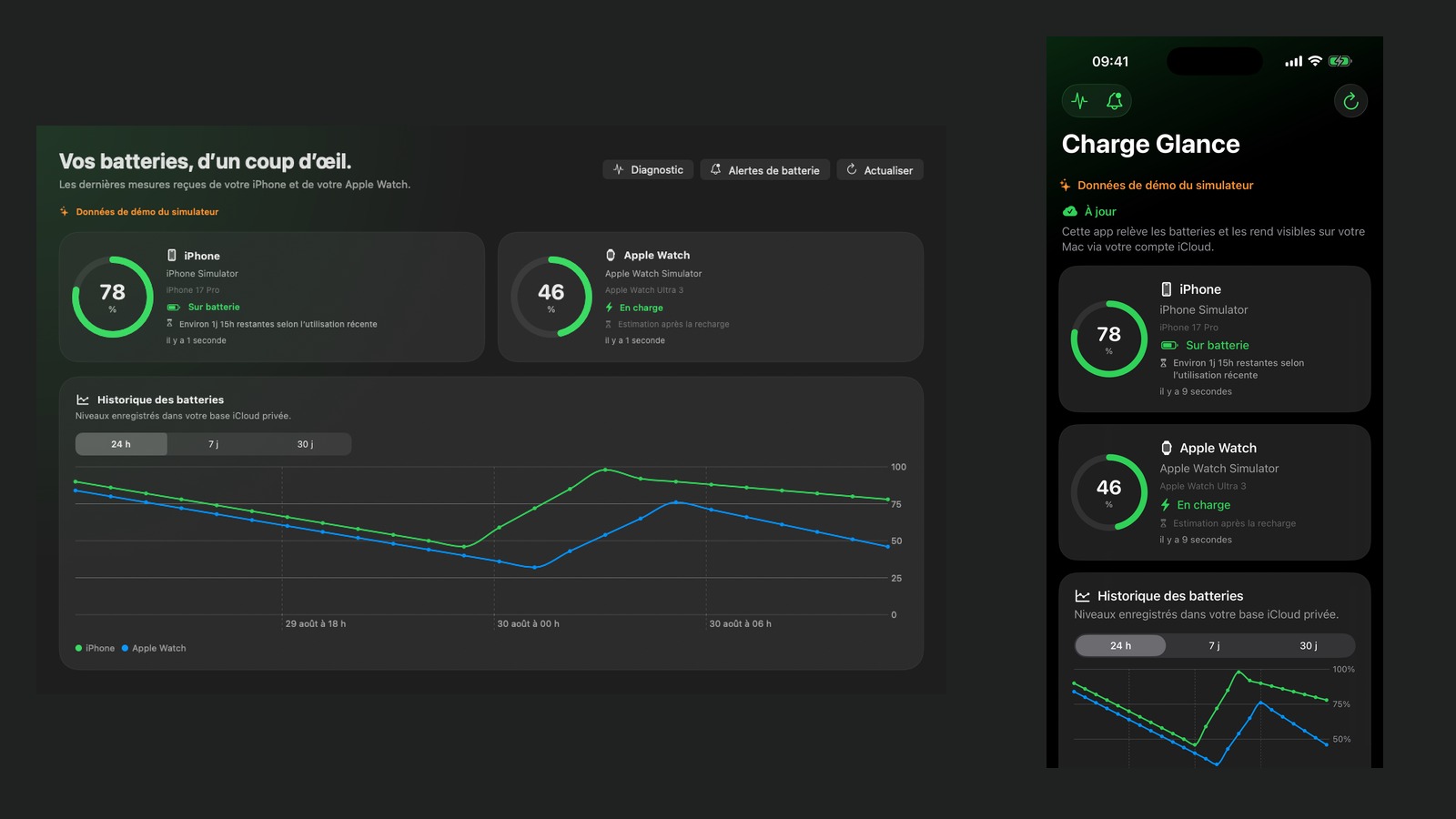
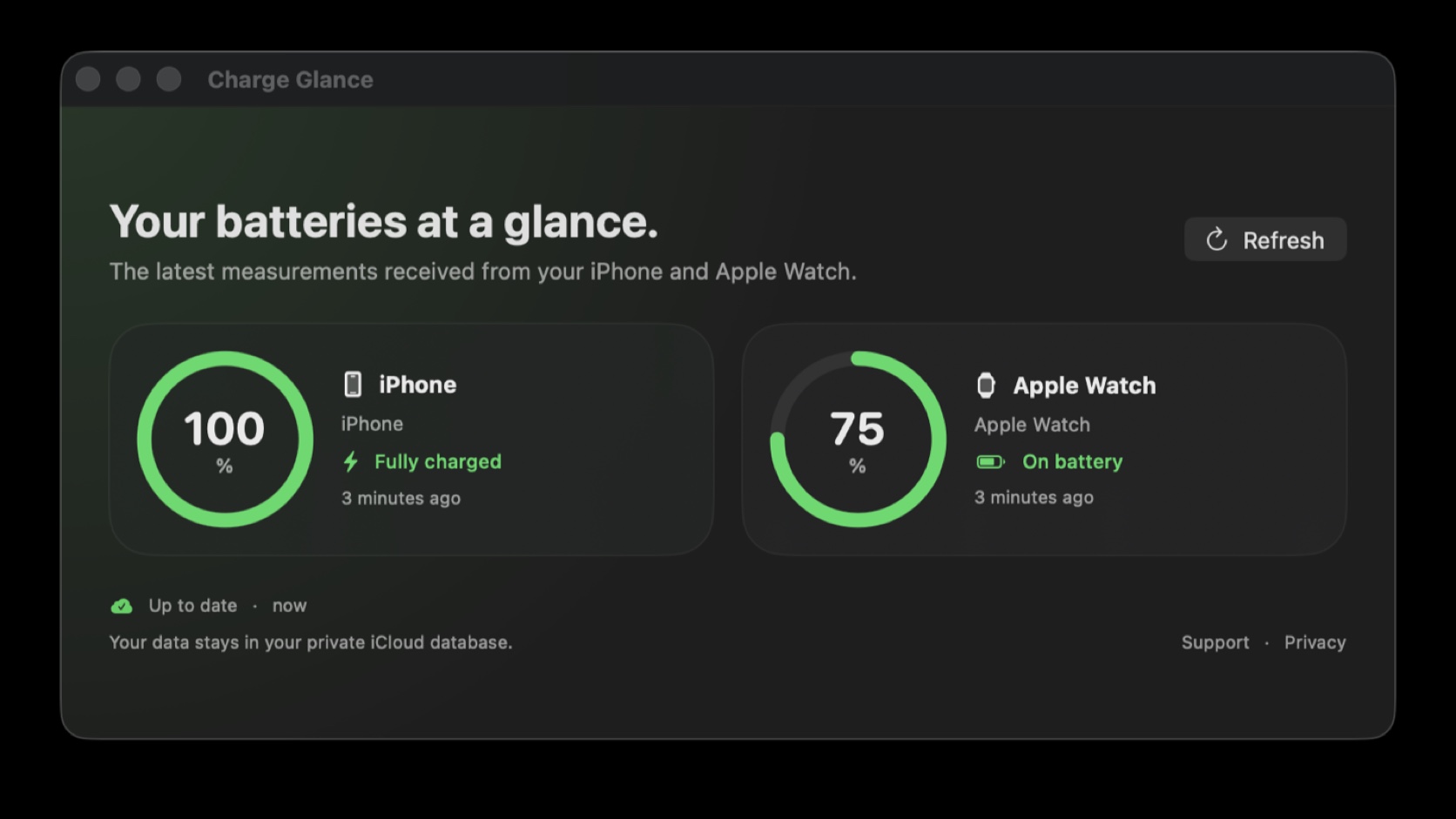
Charging thresholds, low battery and stale readings answer different questions. Choose useful alerts for an iPhone and Apple Watch.

Speeding up installation and transferring a build result are different needs. Choose the right mechanism and test without cache.

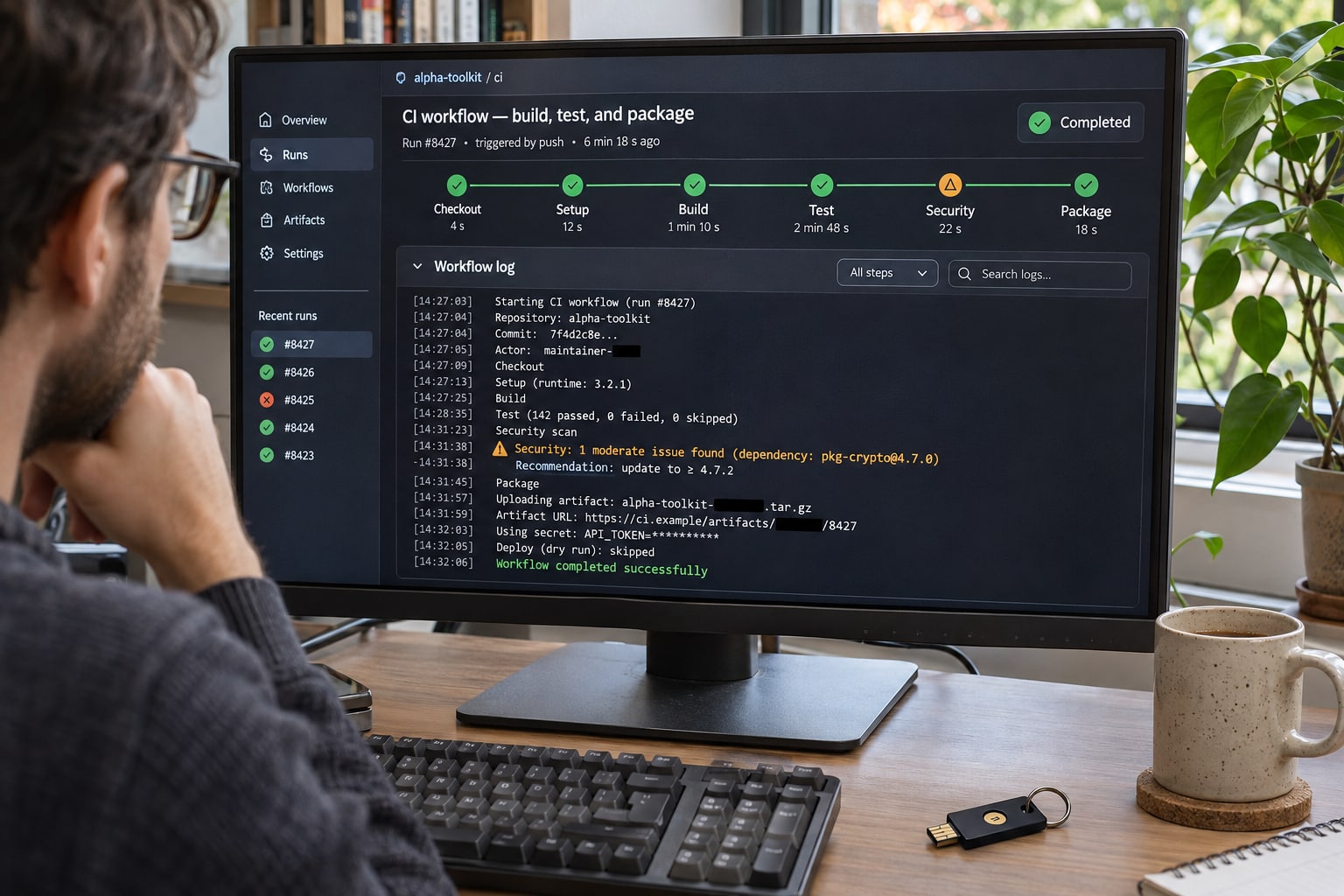
Workflow dependency lockfiles are generally available. Pin execution without mistaking reproducibility for a security guarantee.

Google's device list helps review account sessions. An unfamiliar label is not proof of intrusion, but forgotten access deserves a deliberate check.

Rate limiting calls for controlled retries, not faster loops. Combine Retry-After handling, bounded retry budgets and shared concurrency limits.

Firefox can fill and annotate many PDFs without an external upload service. Save the right copy and inspect it before attaching a document to an email.

Dependency license compliance is generally available in GitHub Enterprise Cloud. Useful policy enforcement still needs owners and documented exceptions.

Nearby sharing can avoid emailing a document to yourself. Check the receiving device, discovery scope and the actual file before treating a transfer as complete.

GitHub reports tracing limitations involving macOS 27, Xcode 27 and Swift 6.4. Check extraction and published analysis, not merely whether the application compiles.

Google's device-finding service can help locate or secure an Android phone. Understand account access, connectivity and remote erasure before an emergency.

Startup, readiness and liveness answer different operational questions. Define their roles before increasing delays or hiding a real startup failure.

A one-off viewing session can influence your YouTube experience. Inspect the history and account before expecting a magical reset of recommendations.

The version_requirement field helps enrich Dependabot alerts. Keep missing values, declared constraints and observed versions distinct in downstream dashboards.

An unwanted newsletter and a phishing message need different responses. Reduce inbox clutter without trusting instructions from a suspicious sender.

GitHub's package firewall preview adds an installation-time gate. Its practical value depends on actual download routes and a deliberate exception process.

The Hidden album keeps some pictures away from casual browsing. Hiding, syncing and copies already shared elsewhere are different matters.

GitHub CLI can refresh expiring OAuth credentials automatically. Review scripts that copy tokens before assuming every existing workflow will keep working.

Downloaded areas help when reception disappears. Check complete route coverage, map updates and transport-mode limitations before relying on Google Maps offline.

Firefox 158 adds JPEG XL and improves generated PDFs. Web teams still need to check their real content, preserve fallbacks and verify document usability.

Google's dining trends cover ten cities. Use them for discovery without mistaking a platform ranking for an independent review or a guarantee of a good evening.

More targeted creation and installation permissions give teams a reason to revisit automation that still depends on overly powerful GitHub credentials.

Windows clipboard history can recover earlier copies. Check syncing and pinned items too, especially before lending someone your computer.

Ten CVEs fixed in Node.js 22, 24 and 26, including Brotli code execution. Fixed versions, reachable paths, Docker, snapshots and verification of the active runtime.

BUFFERS statistics help investigate slow queries. Read EXPLAIN ANALYZE with context rather than turning a single counter into a premature diagnosis.

WhatsApp's storage manager helps identify bulky media. Take a careful approach to freeing space rather than reflexively deleting a whole conversation.

Two critical PHP flaws allow unauthenticated code execution. Fixed versions, Linux backports, Docker deployments, temporary mitigations and post-update verification.

A withdrawn webhook action and HTTP 410 responses improve Dependabot integrations. Preserve the reason an alert disappears instead of counting every closure as a fix.

Private Space separates Android apps, but locking it also stops their activity. Understand the trade-offs before relying on it for important daily tasks.

Meetly builds meetings around activities and time slots, with icebreakers to prepare the conversation. A transparent introduction to the Les Forgerons application.

Google has opened Deep Review for complex documents. Teams should evaluate the objections it finds, the evidence behind them and the data they upload.

A saved playlist is not necessarily an offline playlist. Prepare Spotify for trains and patchy reception with a short download check before leaving Wi-Fi.

Mozilla's enterprise browser pairs Firefox with a customer-operated management console. What IT teams should investigate before starting a pilot.

Google has opened SynthID Detector to the public. It can look for an AI watermark, but a negative result is not proof that a photograph is authentic.

GitHub's workflow lockfile preview pins dependency commits. What it protects, what it does not, and how teams can introduce it without losing maintainability.

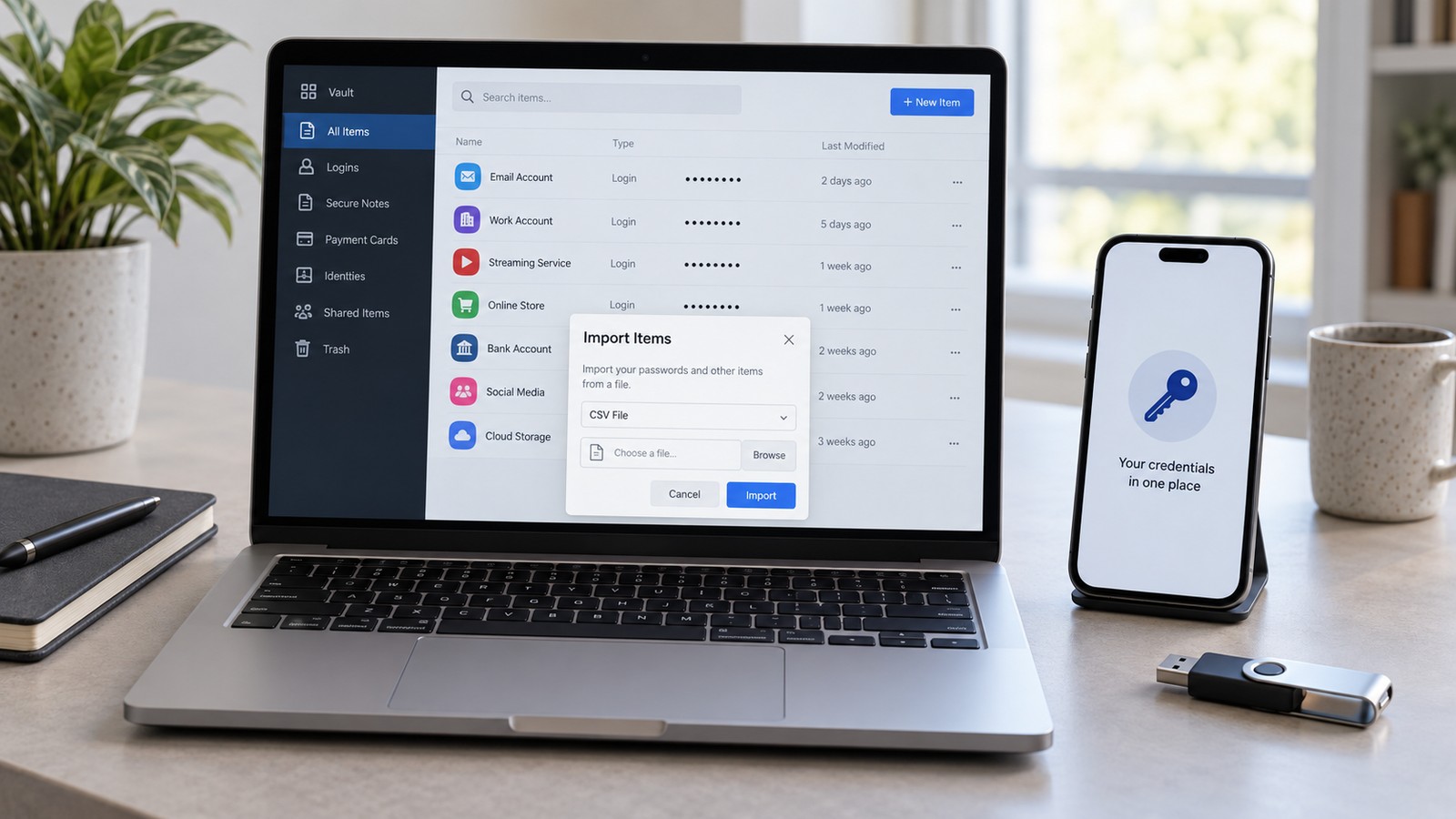
Apple Passwords on Mac supports CSV imports. The important part is checking the migration and removing the unencrypted file afterwards.

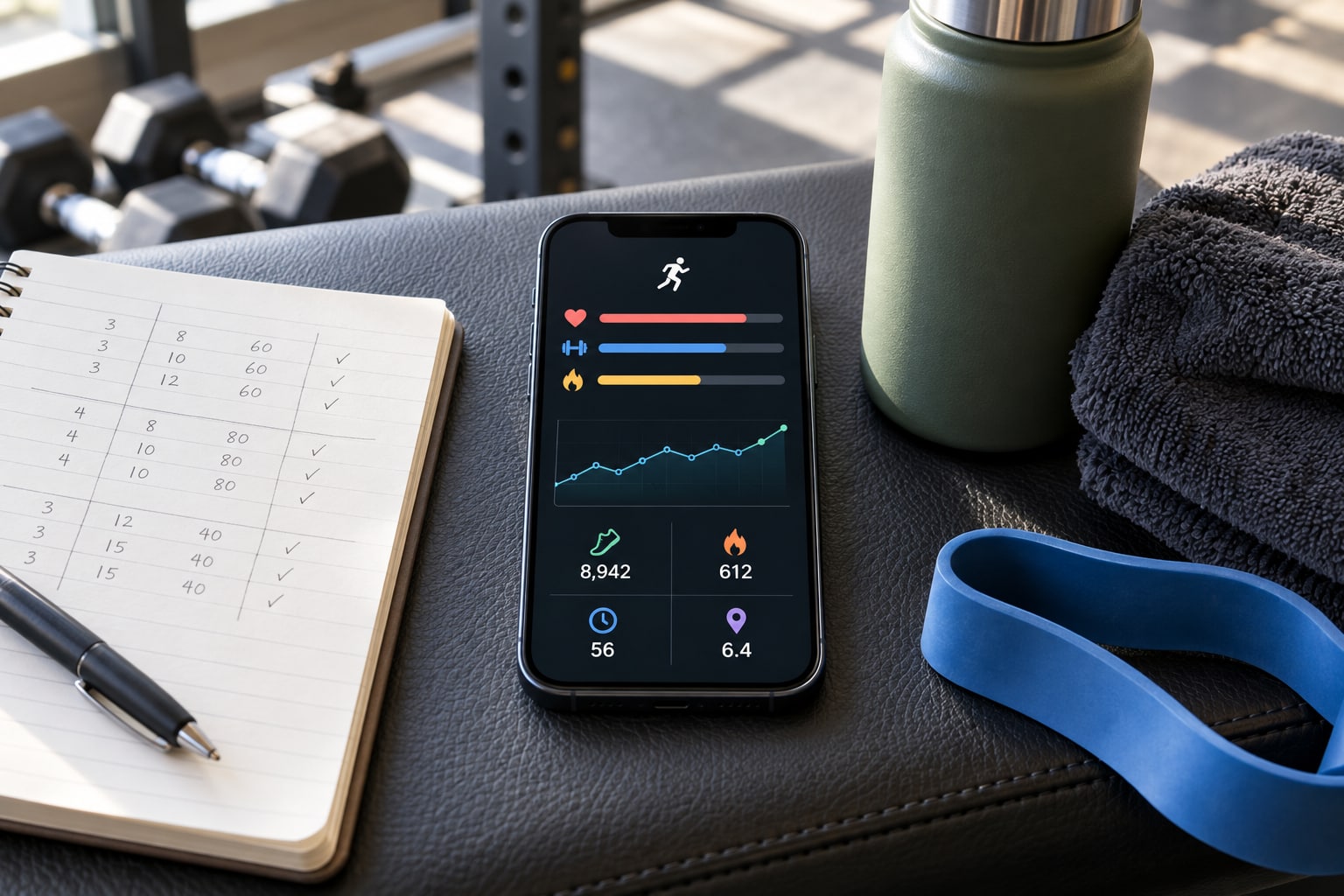
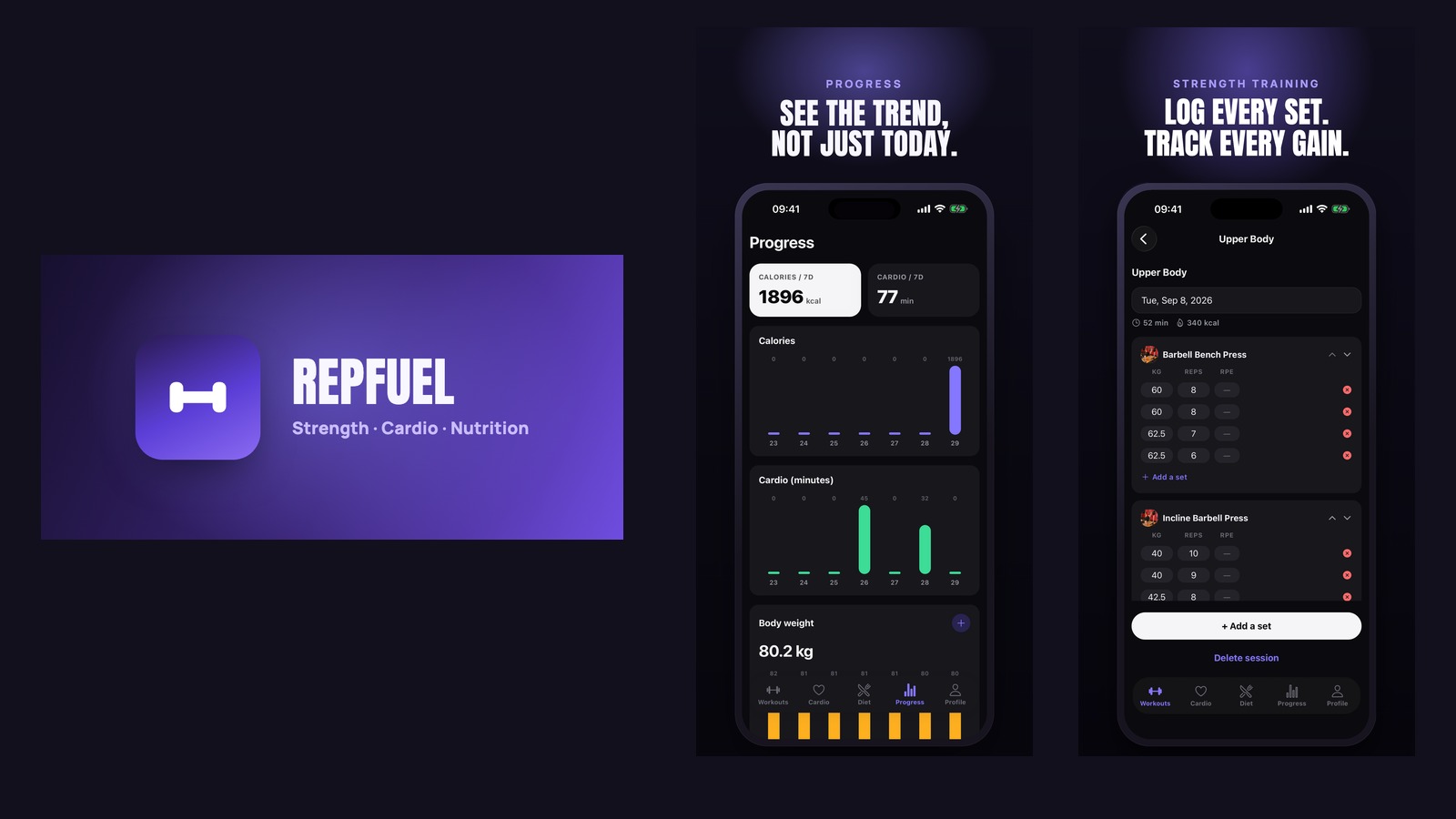
RepFuel brings together workouts, cardio and nutrition. How to read trends, contextualise records and choose what to share.

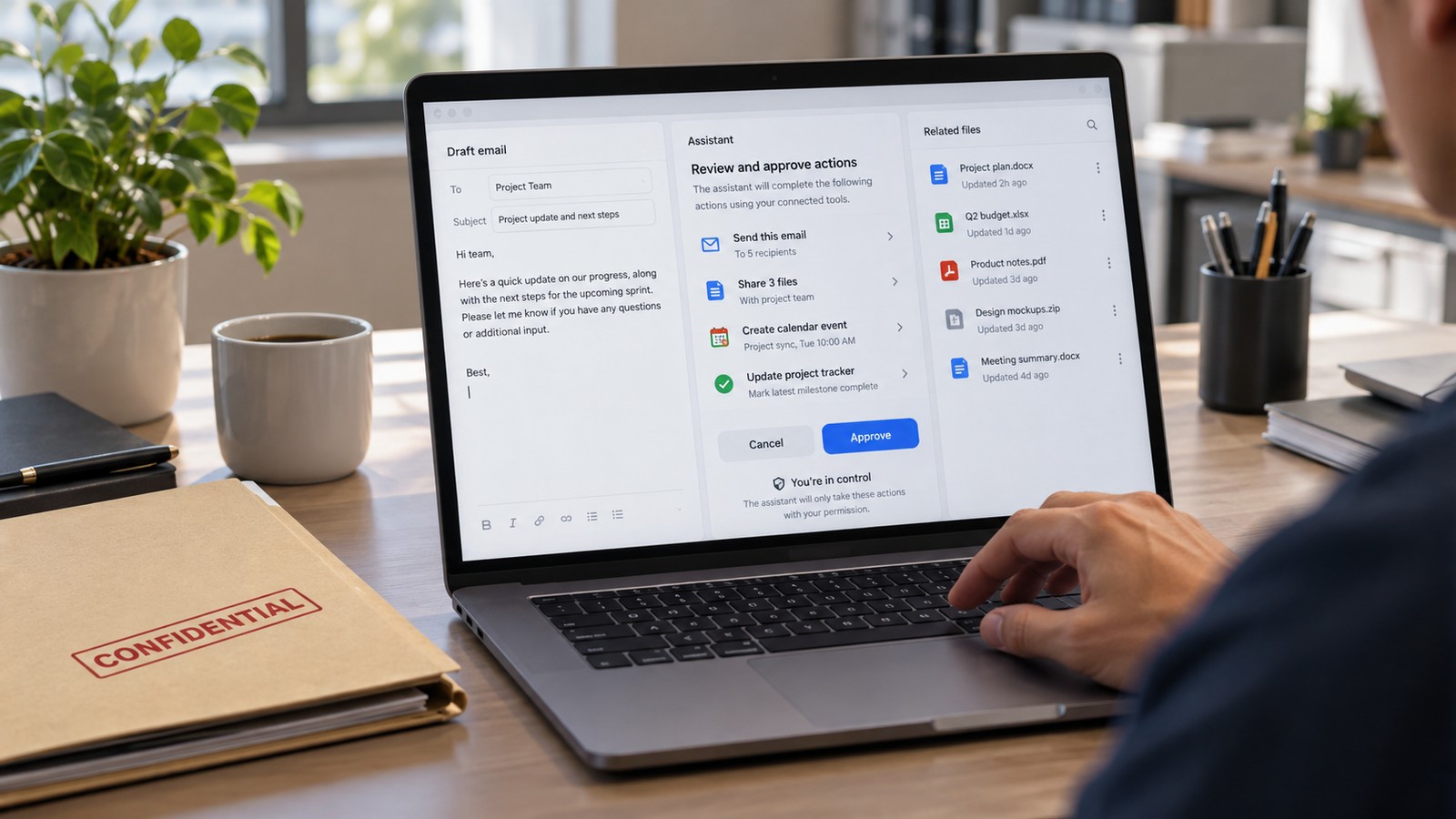
A Google Research report examines contextual privacy for agents. Which recipients, data and actions should a connected assistant be allowed to use?

Steam Families pools eligible games within a household. Concurrent copies, child accounts and restrictions to check before sending an invitation.

DuckDB 2.0 alpha can help plan a migration. Test extensions, SQL results and representative data without changing production databases.

Signal is improving backup portability. How to choose storage, protect the recovery key and check a phone migration before retiring the old device.

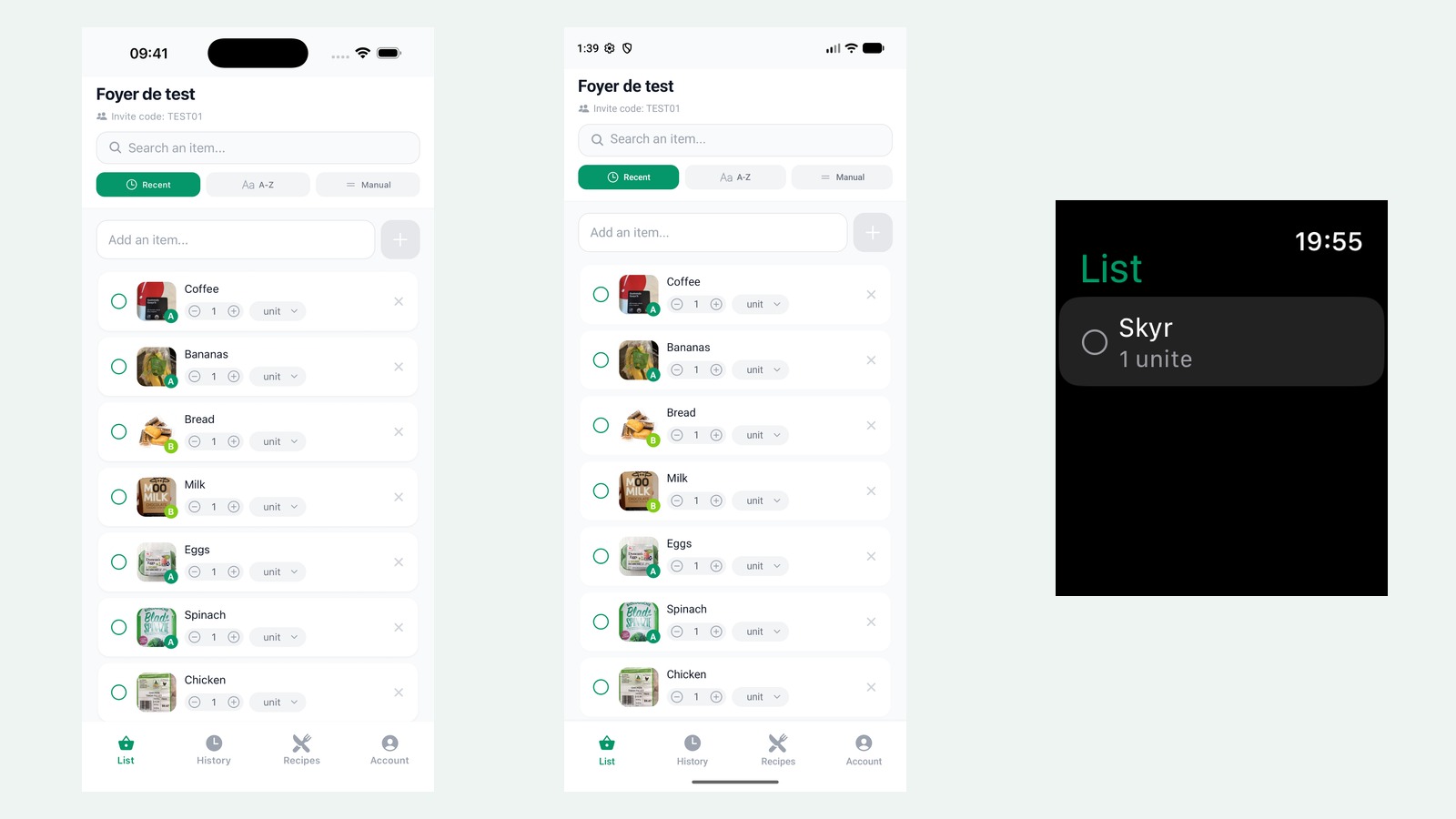
Miam 1.11 supports membership in multiple households and switching lists. Watch apps complement the experience with viewing and checking items.

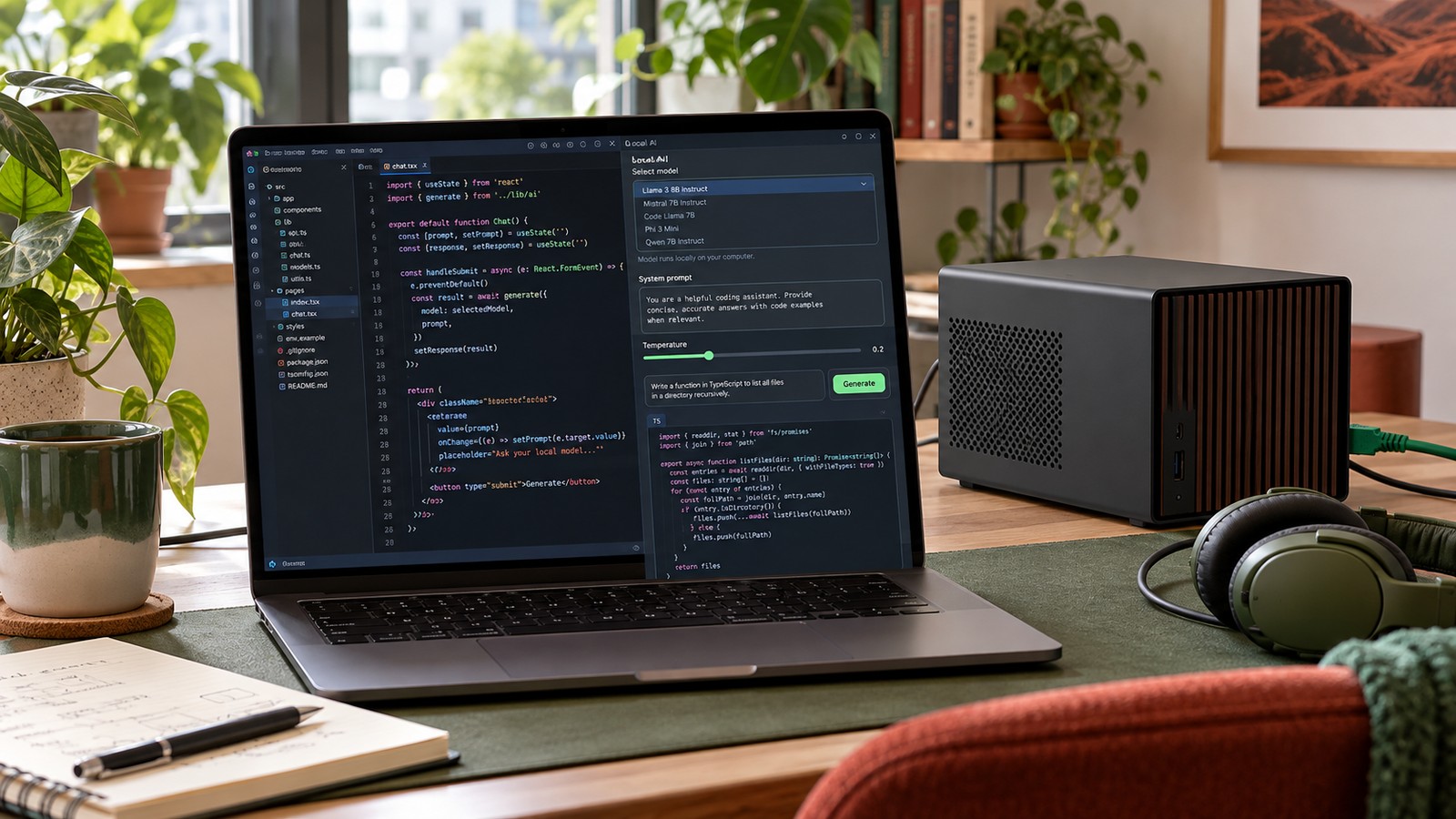
Copilot CLI can discover local Ollama models. Requirements, privacy boundaries and a practical way to compare them with cloud providers.

Googlebook combines Android, ChromeOS desktop foundations and Gemini. Phone continuity, essential software and checks before choosing a new laptop.

ARC 0.15 improves shutdown, updates and Kubernetes API interactions. What to measure before expanding a GitHub Actions runner fleet.

Google Labs expands CC to households with shared calendars, tasks and information. What the experiment promises and why access remains geographically limited.

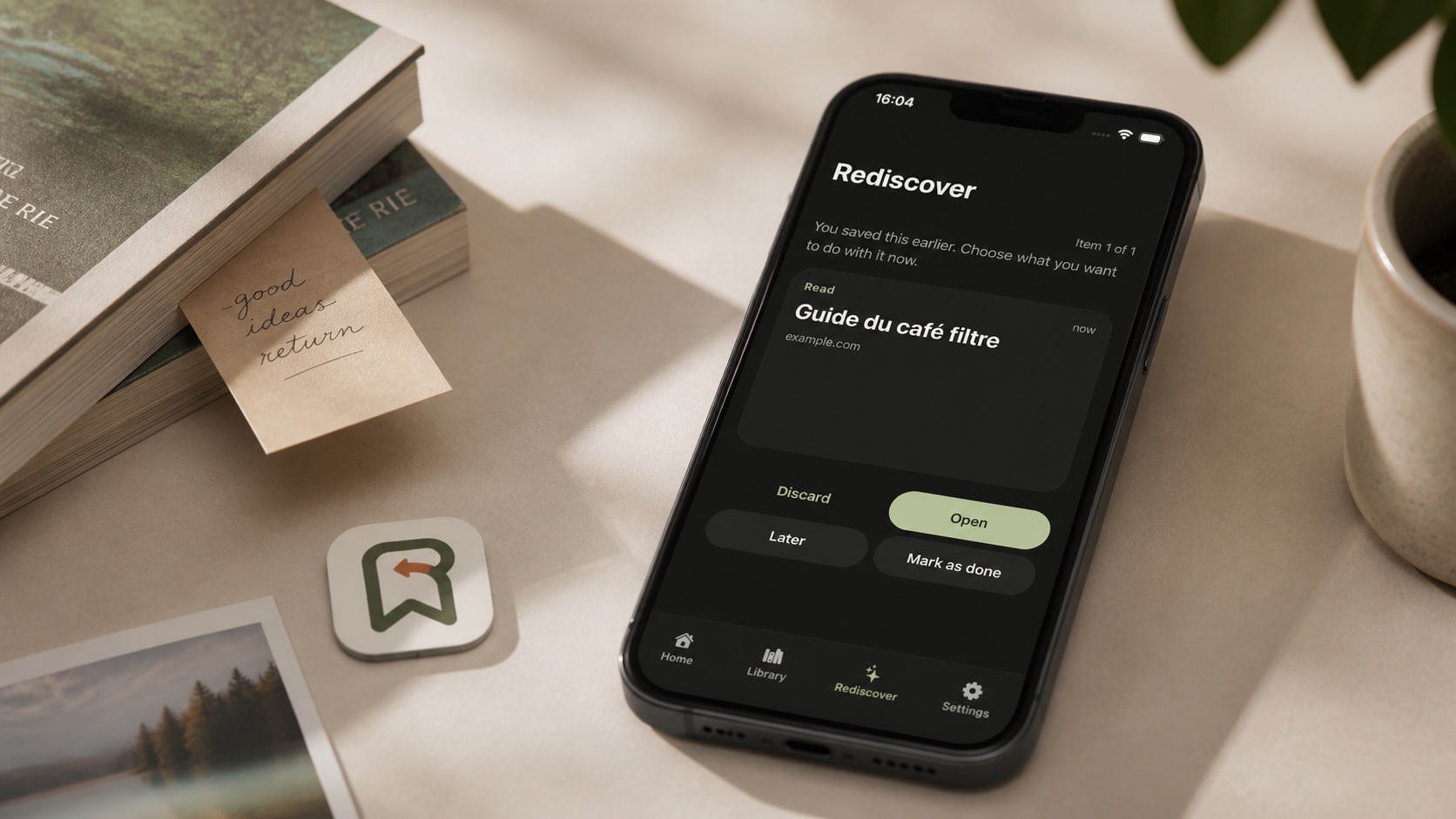
Bookmarks pile up easily. Backori helps revisit them with simple actions and optional reminders, without requiring a synchronised account.

Unvalidated npm trusted publishing configurations expire after 48 hours. How to prepare a first release and identify affected pipelines.

Quizzes, flashcards, voice conversations and short videos expand Gemini Notebook. A practical way to use them without confusing summaries with understanding.

A specialised model joins GitHub secret detection. What remains included, what is still in preview and how to respond when a credential is exposed.

Adobe, Linear, Airtable and Peloton join Gemini's Connected Apps. Practical starting points, permissions and limits before giving an assistant access to your accounts.

Reading a runtime estimate, spotting stale data and separating refresh from a new measurement: three practical ways to use Charge Glance.

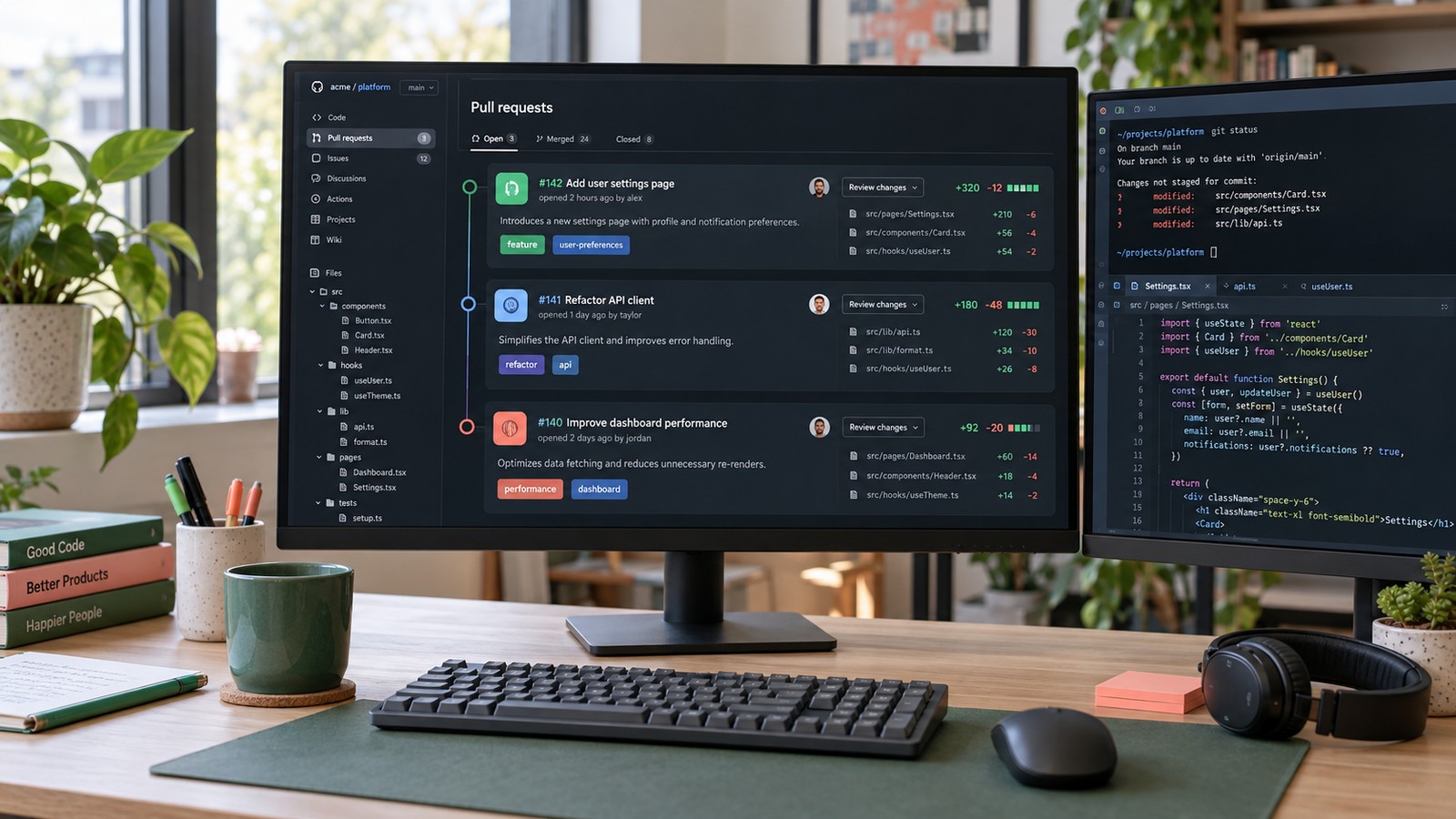
Stacked pull requests are generally available on GitHub. How to split a large change into focused reviews without creating an opaque dependency chain.

The asynchronous merge API is generally available for individual or stacked pull requests and merge-queue operations.

Google’s new frontier model begins with trusted cyber defenders before a gradual rollout to developers and AI Ultra subscribers.

The new allowed-mail option limits a temporary development tunnel to approved addresses or domains using a one-time code.

Firefox joins the supported GeForce NOW browsers and can stream more than 2,000 PC games at up to 1440p and 120 frames per second.

The new AI Gateway beta offers Ceramic, Exa or Linkup to ground agent responses in current web results.

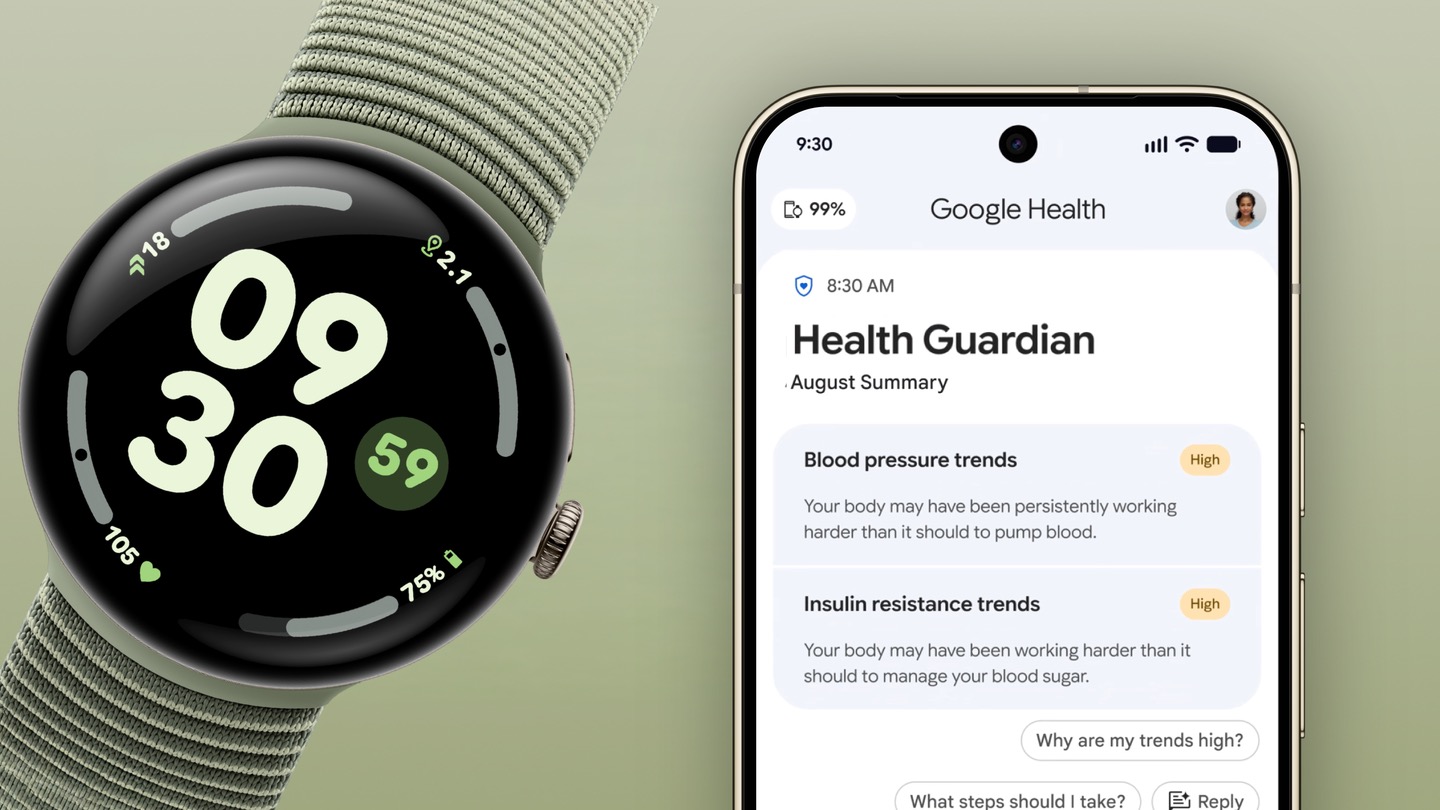
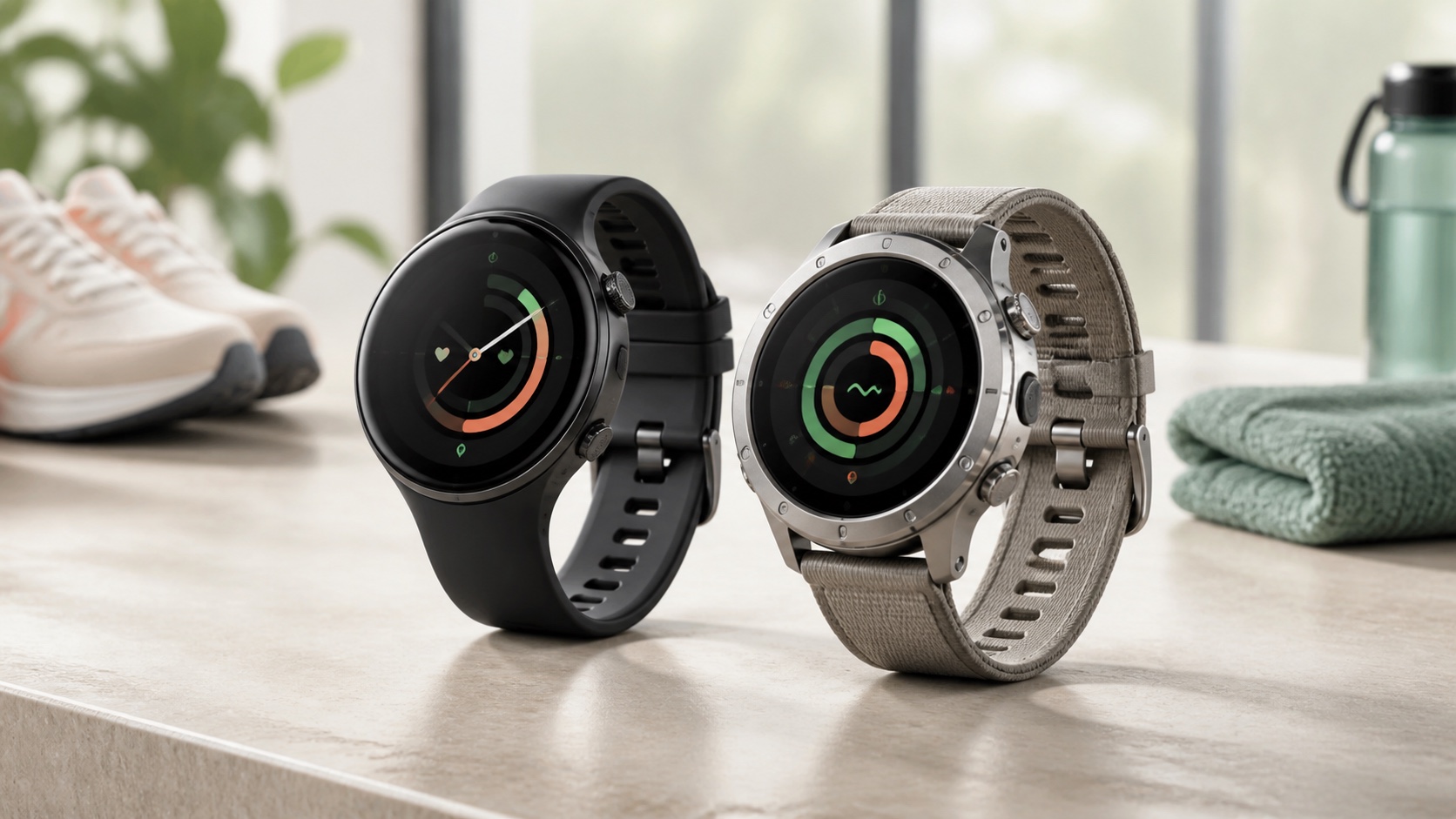
Pixel Watch 3, 4 and 5 begin tracking blood pressure, insulin resistance and sleep breathing trends.

Lambda functions outside a VPC gain bandwidth that scales with memory from 2 GB up to 3 Gbps.

Copilot CLI and the Copilot app are previewing computer use on macOS and Windows, with approval before controlling an application.

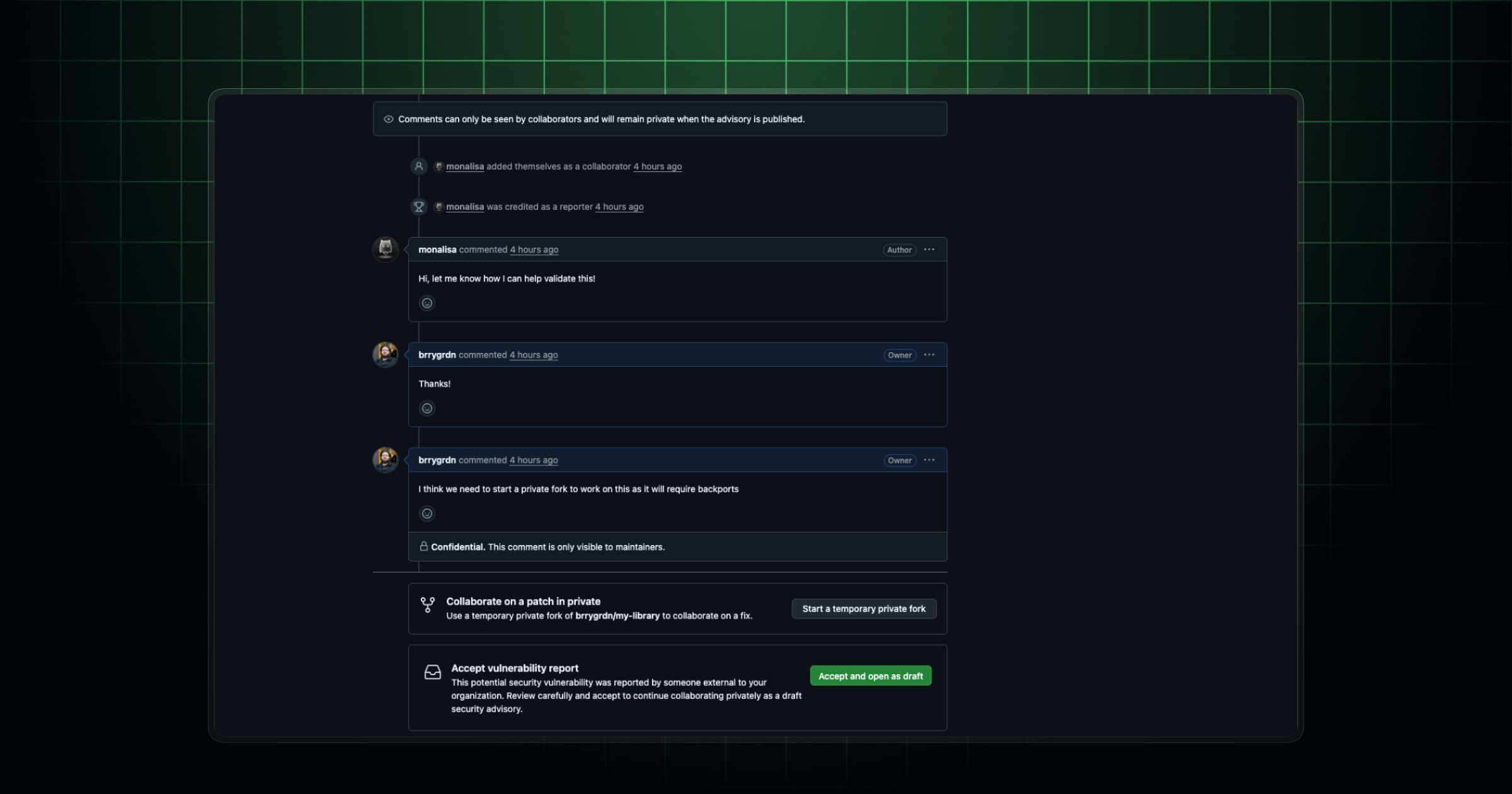
Maintainers can keep internal notes inside a security advisory without exposing them to the reporter or invited collaborators.

Guided Vision helps blind and low-vision users explore their surroundings with a camera, audio descriptions and spoken framing cues.

S3 Tables adds variant and geospatial types, nanosecond timestamps, deletion vectors and row lineage for Iceberg V3 workloads.

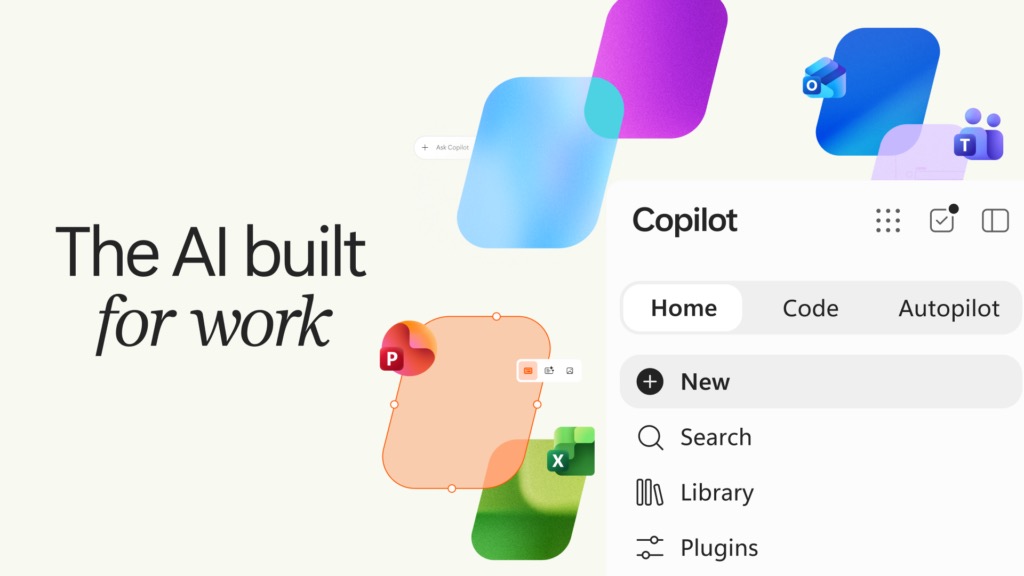
Microsoft is turning Copilot into a workspace that creates documents, builds internal tools and carries out long-running delegated work.

GitHub App installation tokens are growing to roughly 520 characters, exposing databases, proxies or redaction rules with rigid assumptions.

Firefox is modernizing its desktop and mobile interface, improving access to privacy settings and restoring compact mode.

GitHub runners now execute JavaScript actions with Node 24 and have removed the temporary opt-out that still allowed Node 20.

AWS’s open-source project applies fine-grained policy to rows, columns, fields, APIs and objects before results enter an agent’s context.

Meta, NEC, Sumitomo and Orange are preparing a 7,000-kilometre transatlantic cable designed to double the capacity of today’s leading systems.

Cache Rules can normalise headers declared by Vary, preserve exact values or bypass caching to serve the right representation without excessive fragmentation.

The GitHub Copilot app can restrict files, networking and credentials available to agents running locally on a per-project basis.

AWS offers new accounts a lighter experience, $100 in credits, Google, GitHub or Apple sign-in and simplified team permissions.

Meta’s new audio glasses focus on music, calls and the Muse assistant without earbuds that close users off from their surroundings.

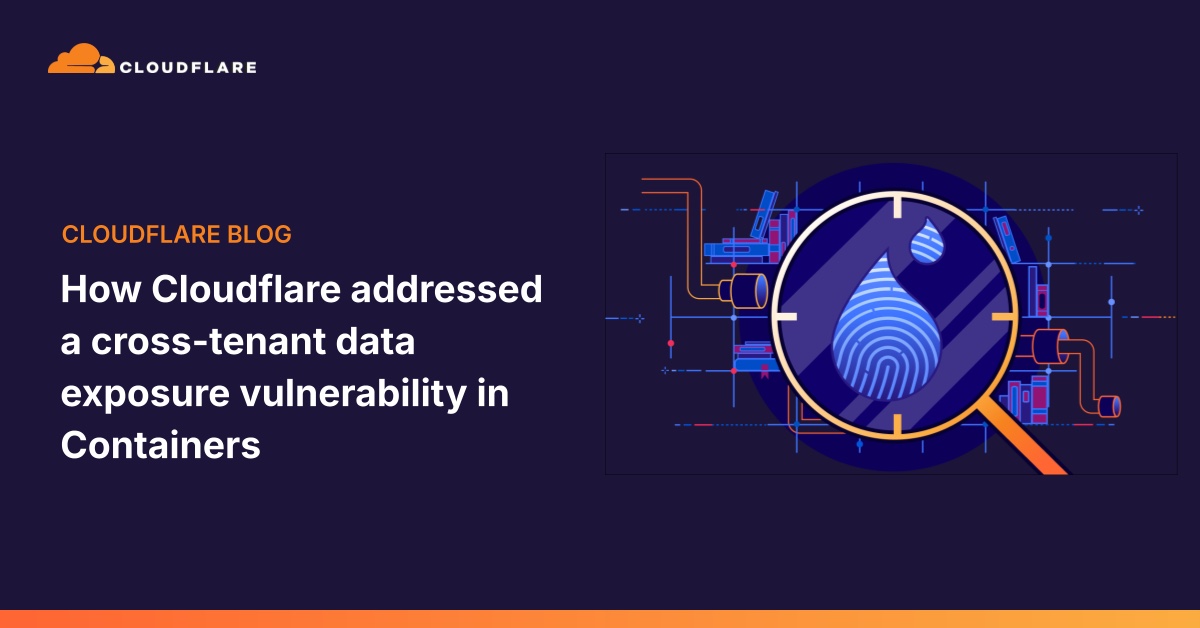
A Cloudflare Containers flaw could let a new workload read residual blocks from another customer. Cloudflare explains the remediation and investigation.

Google is expanding Beam to six countries, including France, with partners installing its 3D video systems for organisations.

Charge Glance now manages multiple devices, estimates battery life, analyses history and offers alerts plus a system sync control.

Mozilla is opening its AI-assisted browsing space in French and selecting Mistral Small 4 as a European model option in Firefox.

CloudWatch Omni automatically maps services, centralises OpenTelemetry signals and brings DevOps Agent into incident investigations.

Made on YouTube 2026 adds custom feeds, conversational editing, live dubbing and stronger creator likeness protection.

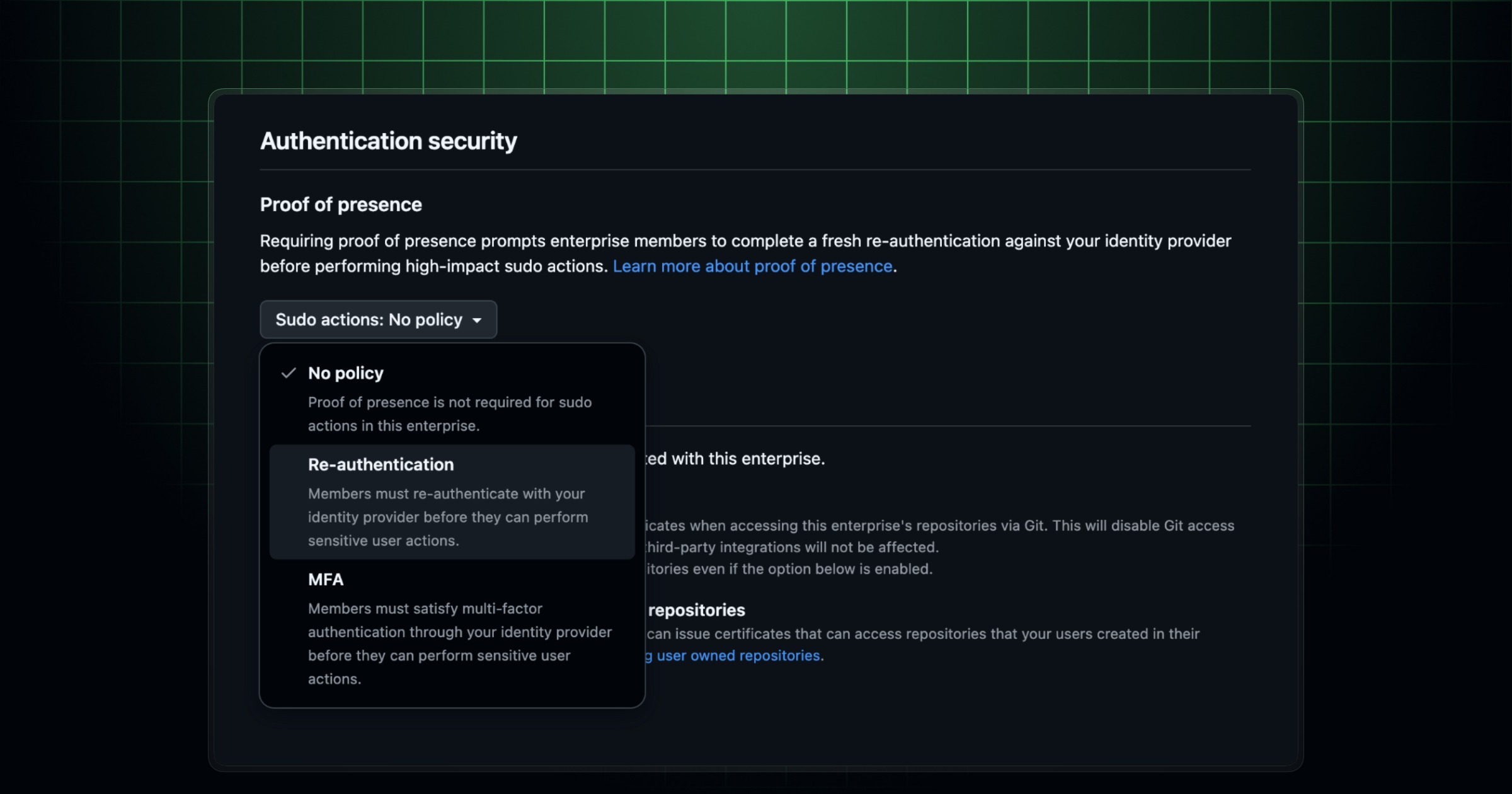
GitHub Enterprise can require fresh authentication or an MFA challenge before token creation, webhook changes and other critical operations.

Meta introduces 100-gram VR glasses designed for cinema, immersive sports and work without the bulk of a conventional headset.

Google is expanding Merchant Center, AI Mode and Gemini to improve product context and let retailers track visibility in AI answers.

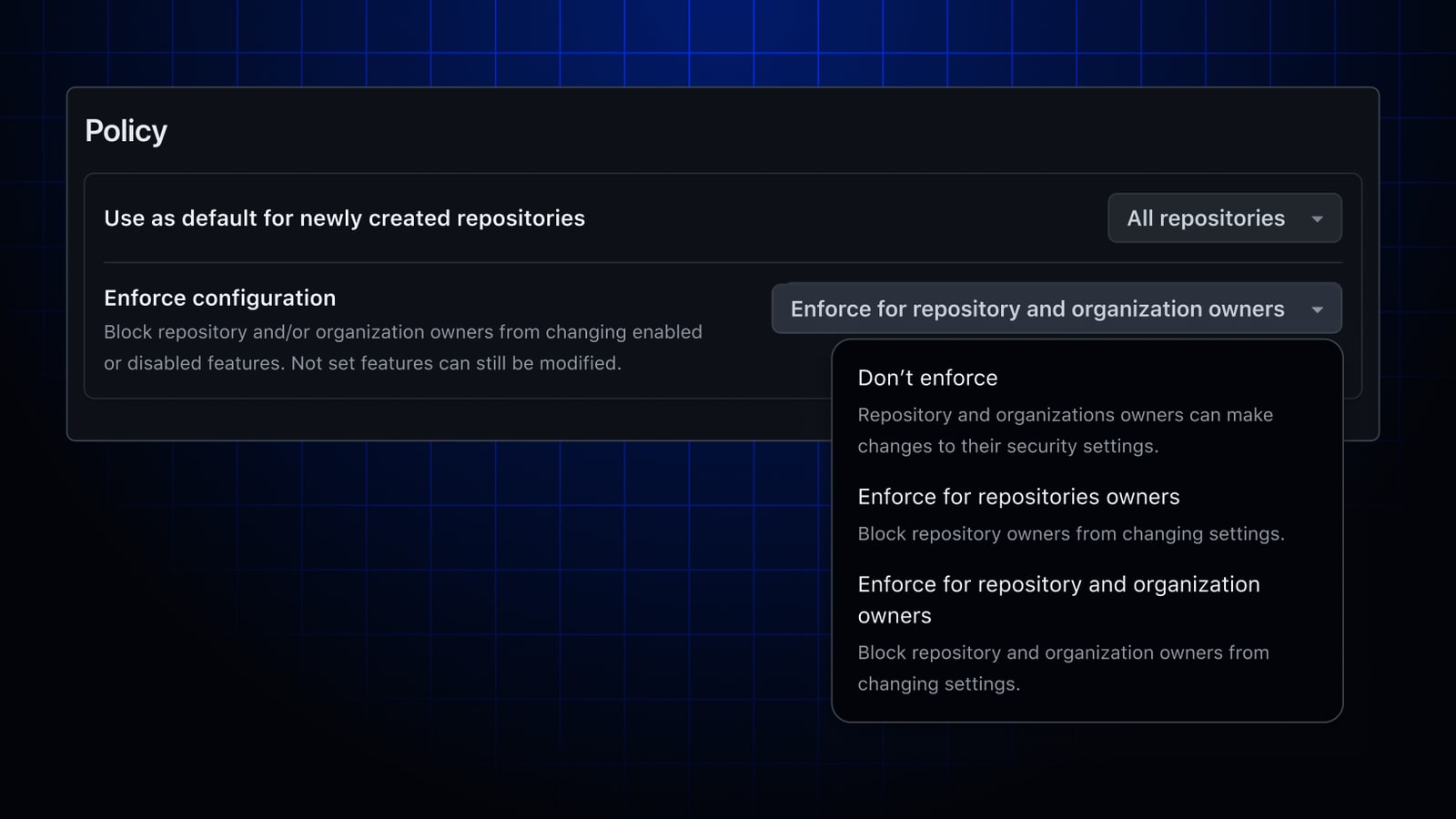
Enterprise administrators can prevent organizations and repositories from overriding centrally defined security configurations.

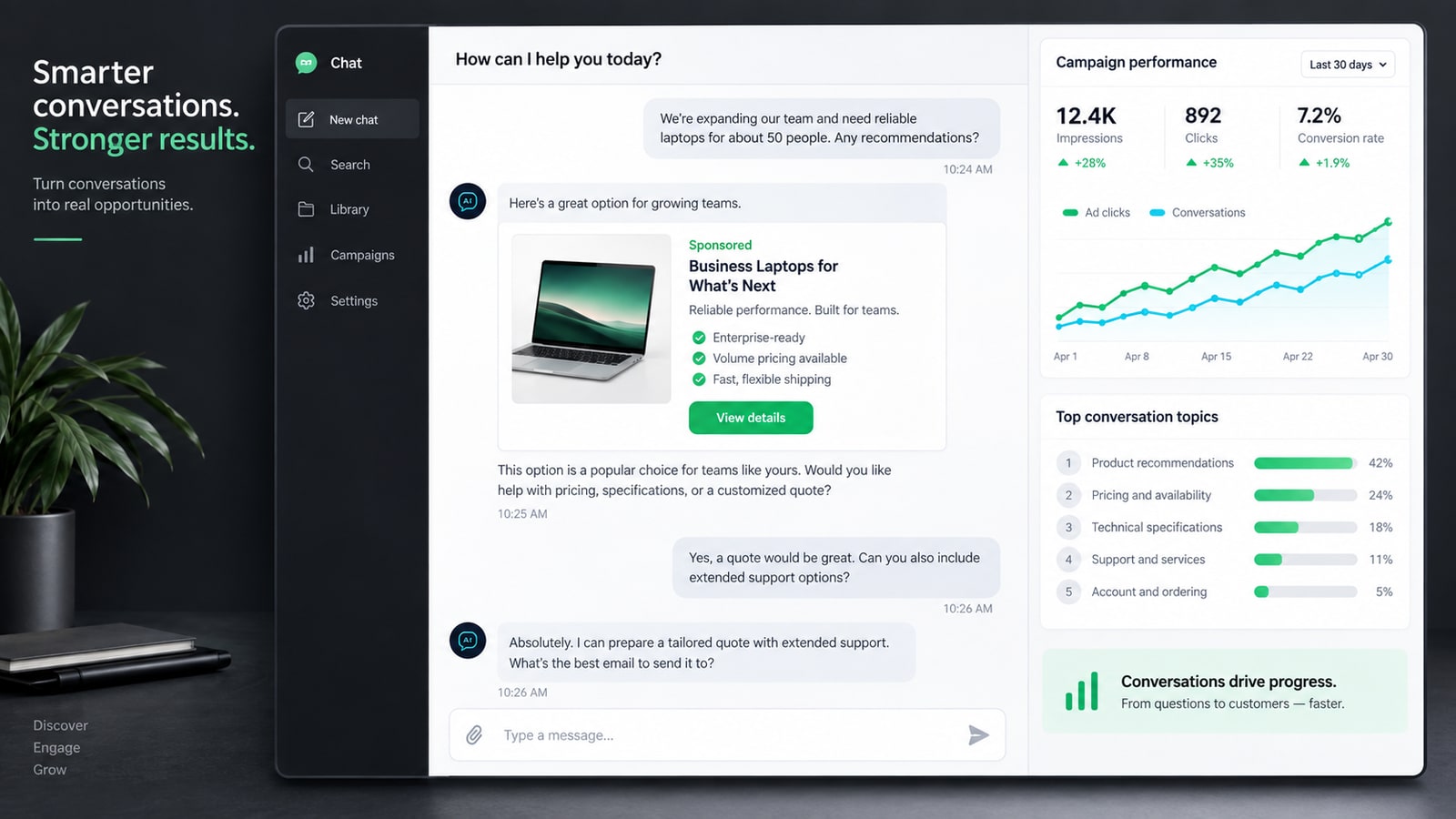
ChatGPT ads can open a conversation with a brand agent, while HubSpot and Shopify join the advertising platform.

Enterprise Cloud administrators can authorize a classic token or SSH key across 50 organizations through a GitHub App.

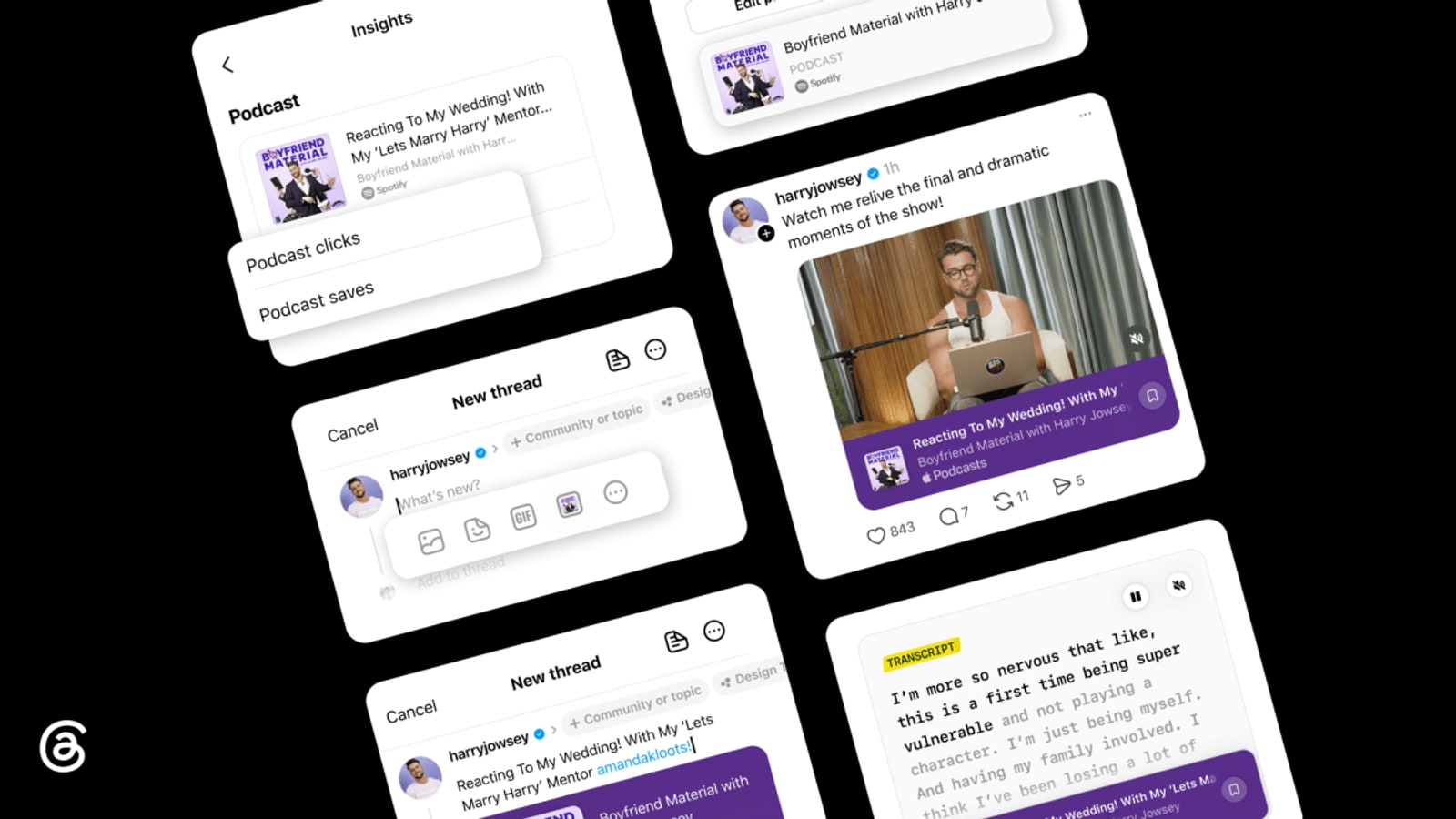
Meta wants Threads to host discussion around episodes, with new features for both creators and listeners.

Available on iPhone, iPad and Android, Miam synchronizes one household list, keeps history and now includes dark mode.

github.com and partner CDNs now reject SHA-1 in HTTPS, potentially breaking old clients and network appliances.

The One UI 9 rollout brings new Galaxy experiences and AI features, with availability staged by model and market.

AI pull-request scanning can now run when CodeQL default setup is disabled, subject to Advanced Security policies.

Meta’s new subscription promises more AI and creation tools across several apps, with options for consumers and professionals.

The fitness tracker adds personal records, activity streaks, inactivity reminders and shareable cards for strength, cardio and nutrition.

GitHub used its own agents to port the Copilot runtime to Rust, showing both the leverage and limits of agent-assisted development.

Google updates VIP widgets, Gboard warnings, scam detection and several Pixel Watch gestures.

Google launches Gemini 3.8 Live, an Extended Thinking variant and Gemini 3.5 Transcribe for voice applications across 85 languages.

Apple is rolling out iOS 27, iPadOS 27, macOS 27 and watchOS 27 with Siri AI, parental controls and performance improvements.

Version 2.0 adds an optional passwordless account and private synchronization while preserving local and offline use.

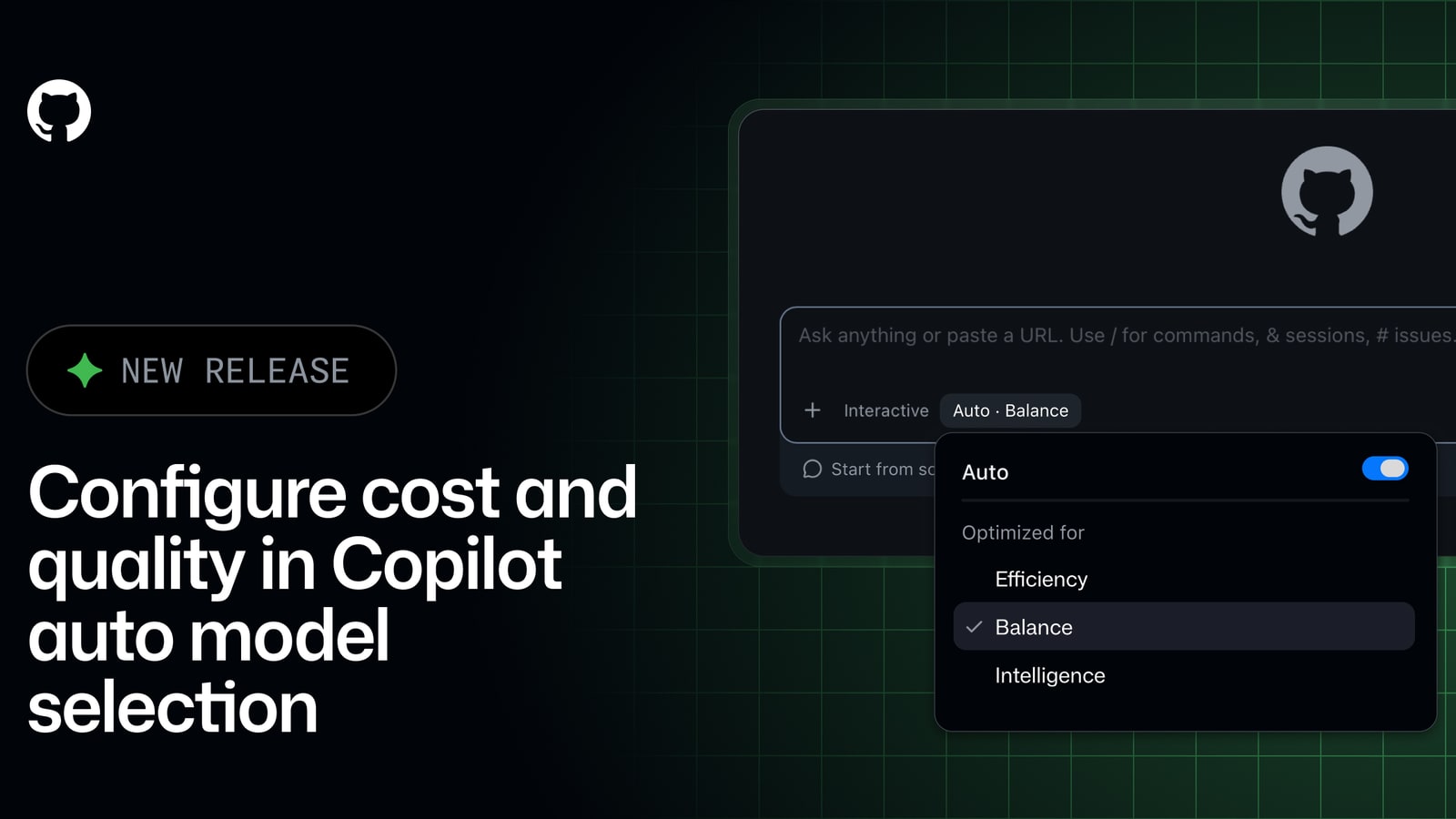
Copilot Auto adds three tiers for cost, quality and latency while selecting a model independently for each request.

Google’s weather model combines live satellite data, hourly updates and resolution down to 5 km for Search, Gemini and Maps.

Microsoft gives applications an age band and verification status without disclosing the user's full date of birth.

Google is distributing new features across Gmail, Keep, Docs, Sheets, Photos, Chrome and Gemini depending on plan.

All npm accounts now receive a 72-hour hold after recovery-code authentication to slow account takeovers.

Samsung is linking TVs and appliances through Vision AI Companion, Bixby and SmartThings for contextual assistance.

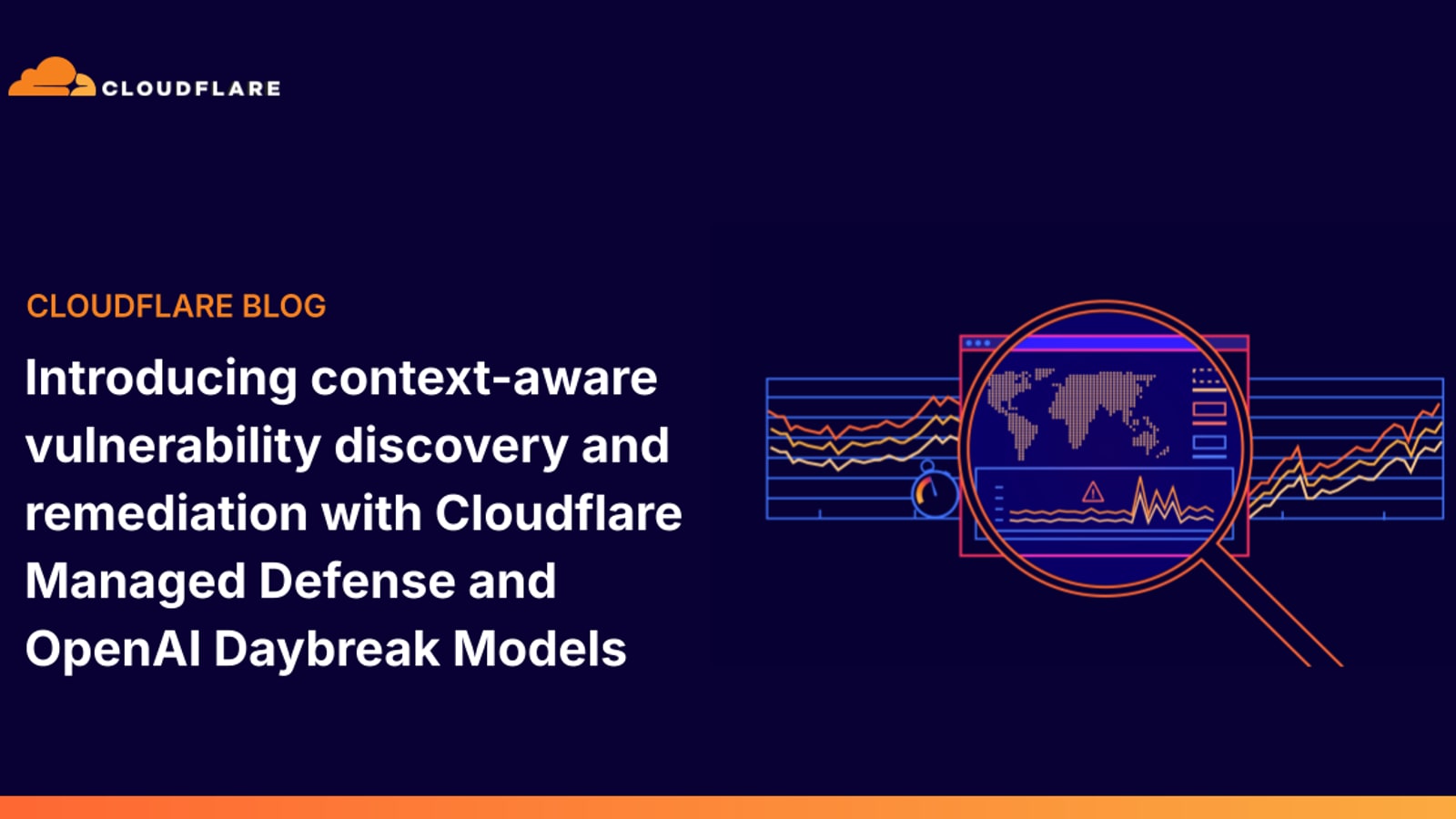
Managed Defense combines Cloudflare with OpenAI Daybreak to find vulnerabilities, validate exploitability and propose fixes.

Muse can send email, complete forms and prepare travel, with approval before sensitive actions.

Google Research proposes generating and correcting tool-use tasks with textual feedback, reporting a 99.8% validation rate.

Microsoft is speeding up parental approvals, expanding activity reports and fixing child wallet balances in Family Safety.

GitHub brings CodeQL to Linux ARM64 and expands detection for Rust, Micronaut, ASP.NET Core, OData and PostgreSQL libpq.

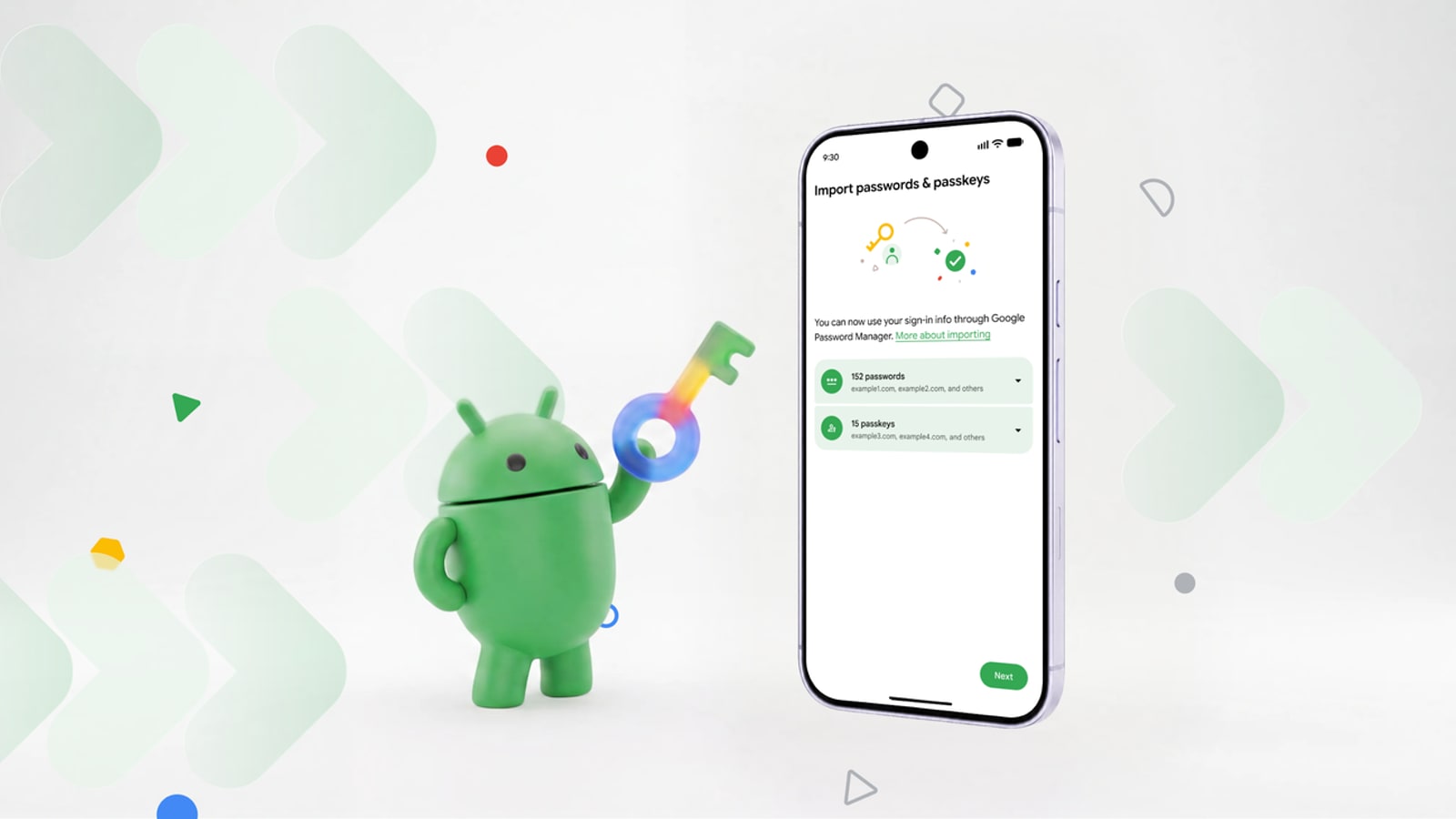
Android 8 and later can transfer passwords and passkeys directly between compatible managers without creating a plaintext export.

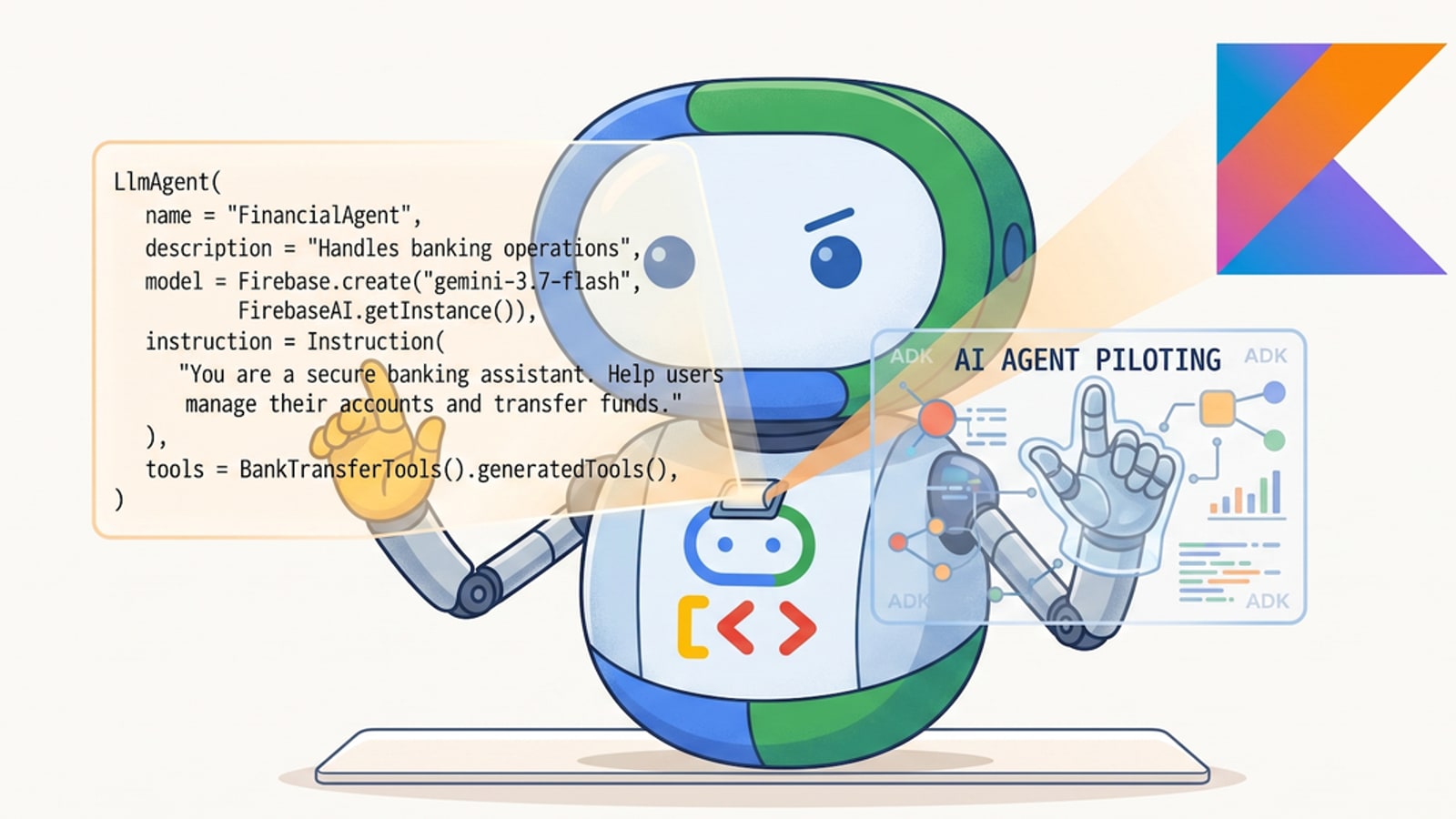
Google’s agent toolkit reaches 1.0 with Kotlin Multiplatform, on-device Android extensions, resumable sessions and human approval flows.

The Gemini app for Windows 10 and 11 opens with Alt + Space, connects to Google services and creates text, images or video.

GitHub now lets teams restrict Actions cache access to read, write, write-only or none to reduce cache-poisoning risks in CI pipelines.

The US site already builds and ships servers for Apple Intelligence. Mac mini production is scheduled to begin there later in 2026.

Proposals are open until September 23 to select features browser vendors will jointly improve for interoperability during 2027.

The new feature catalogs clothing found in photos, builds moodboards and offers virtual try-on, rolling out on Android before iOS.

Docker outlines an approach built on verified images, isolation, least privilege and end-to-end traceability for the agent software supply chain.

Sony is launching Live TV on PS5 with more than one hundred ad-supported channels, initially available in the United States through the Media tab.

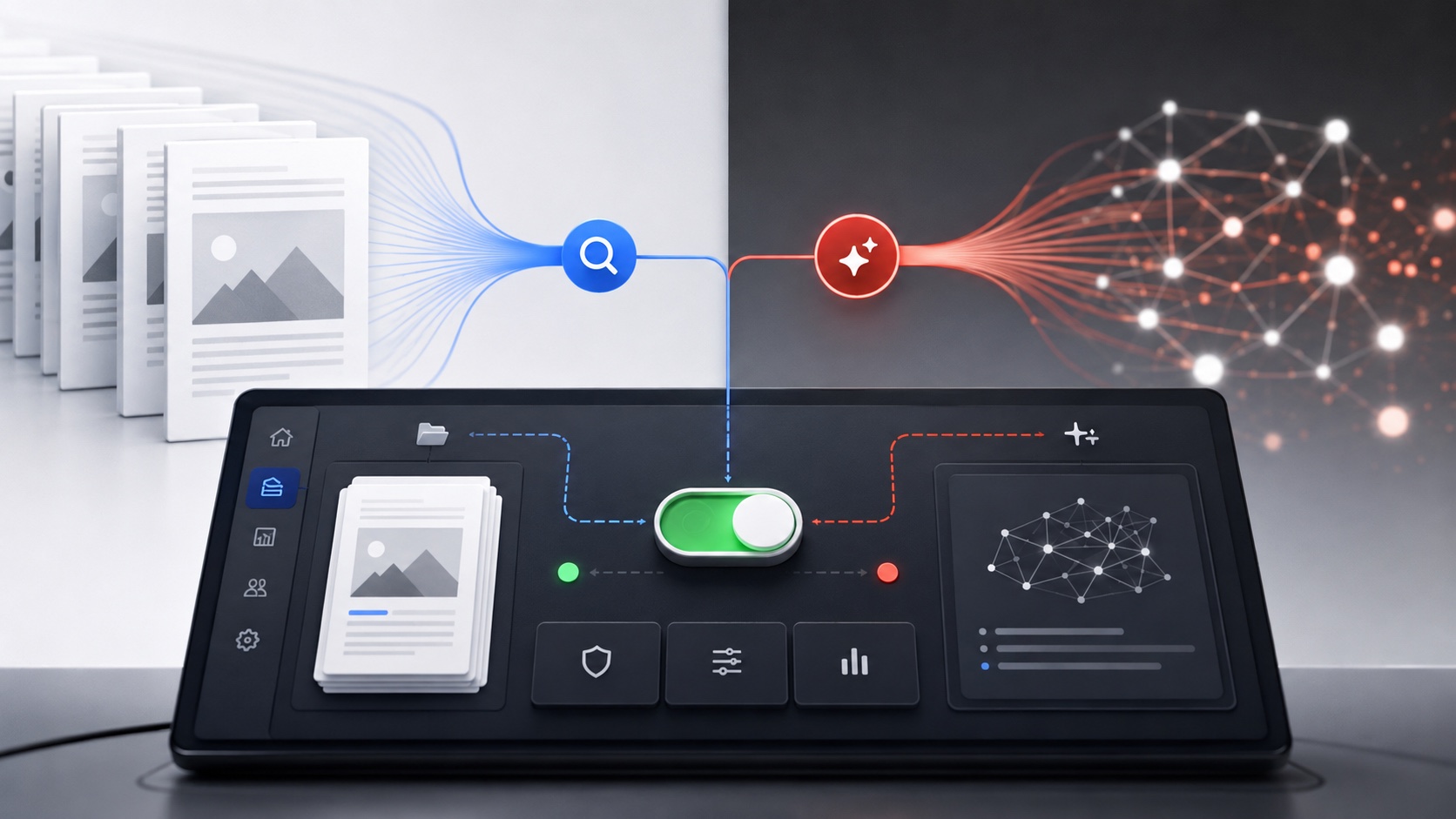
A new Search Console control will decide whether a site can appear in and ground AI Overviews, AI Mode and AI summaries in Discover.

Fable 5.1 focuses on autonomous coding and long-horizon knowledge work. It reaches Claude and the API at $10 input and $50 output per million tokens.

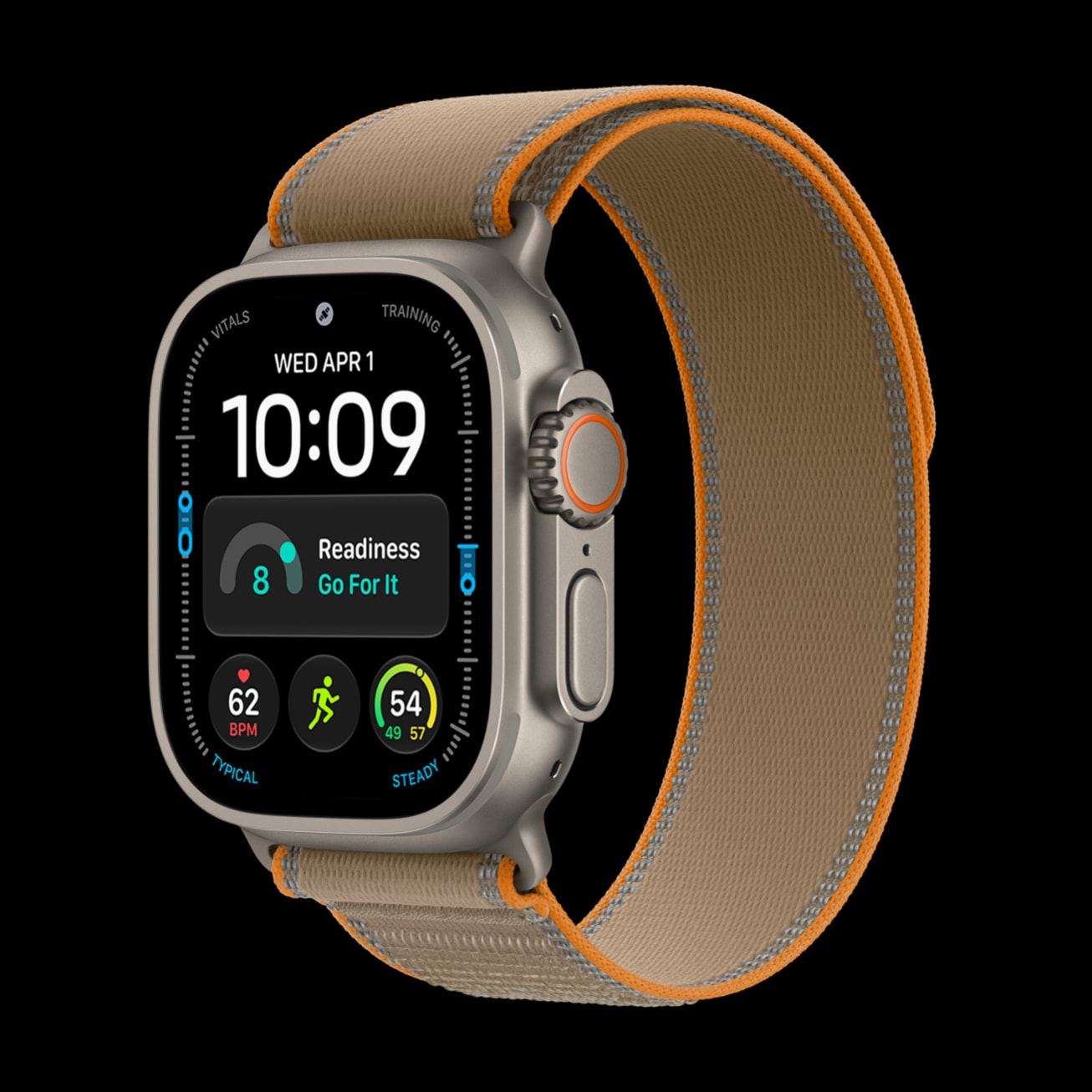
Apple Watch Ultra 4 adds Series 12 health tracking and extends GPS battery life for long outings. Here are its changes, price and limits.

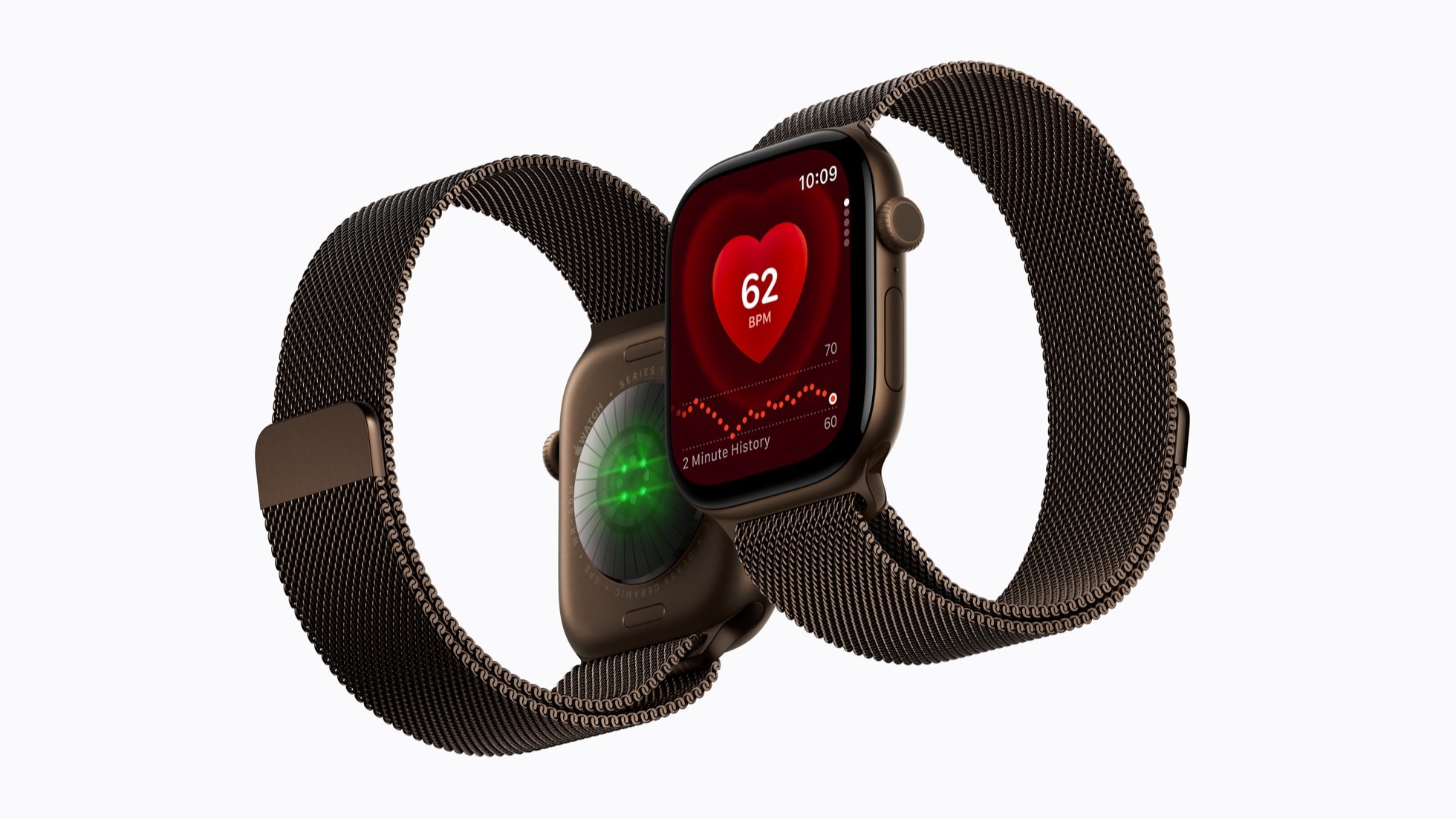
Series 12 samples heart rate more often and introduces a readiness score. Here is what Apple's new watch changes in practice.

AirPods 5 bring active noise cancellation to both open-ear models and add new Siri features. Here are the differences and French pricing.

Apple's first foldable iPhone combines two displays, A20 Pro and iOS 27.1. Here are its French price, use cases, battery life and compromises.

The iPhone 18 Pro lineup adds A20 Pro, a 48MP variable-aperture camera and redesigned vapor chamber. Here is what may or may not justify prices starting at EUR 1,479.

AWS Interconnect multicloud now links Azure in public preview with four redundant paths, MACsec encryption and managed provisioning.

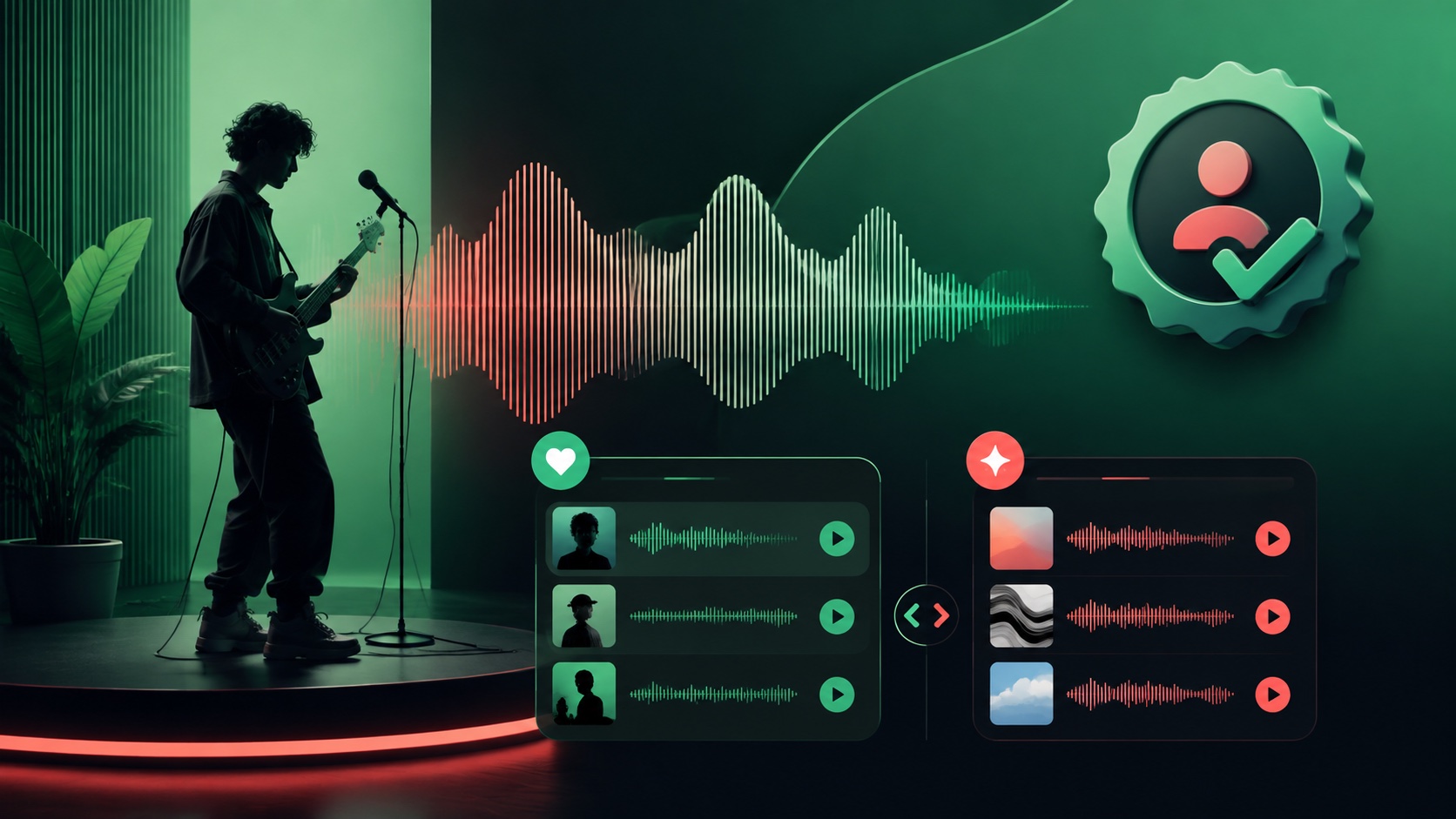
AI Persona badges will identify synthetic music projects. Spotify plans not to recommend them until a listener follows the artist.

Version 1.37 stabilizes 16 features, moves 23 to beta and adds 27 alpha previews. Here is a practical migration method for platform teams.

Microsoft is testing a conversion that keeps the disc usable while unlocking Play Anywhere and cloud gaming for supported titles.

The offering combines zero data retention with misuse detection while storing security signals in customer-controlled cloud infrastructure.

Google is rolling out Gemini in Find Hub, Motion Assist, Guided Vision, Keep notes in Messages and new Android themes.

Copilot Code Review can submit an approval that counts toward merge rules. The feature remains off by default and can be restricted by path.

Sniper Elite: Resistance, MLB The Show 26, Wobbly Life and Chained Echoes join the PlayStation Plus monthly lineup.

Kendra, Q Business, Cognito Sync and Simple AD are moving to maintenance while other services approach end of support.

Google adds favorite publishers, custom interests and audio briefings. Here is how to gain control without creating a filter bubble.

Docker Desktop 4.86 offers a first-party hypervisor optimized for containers. Here are expected gains and beta precautions.

Signal adds key transparency with independent auditors. It can detect key substitution, but not an account that has already been taken over.

From October 1, Apple unifies EU terms: 26% with IAP, 20% with in-app alternative payment and 5% outside the App Store.

Microsoft is opening Windows 11 26H2 to testers before general release. Here is how the enablement package and 24H2 deadline matter.

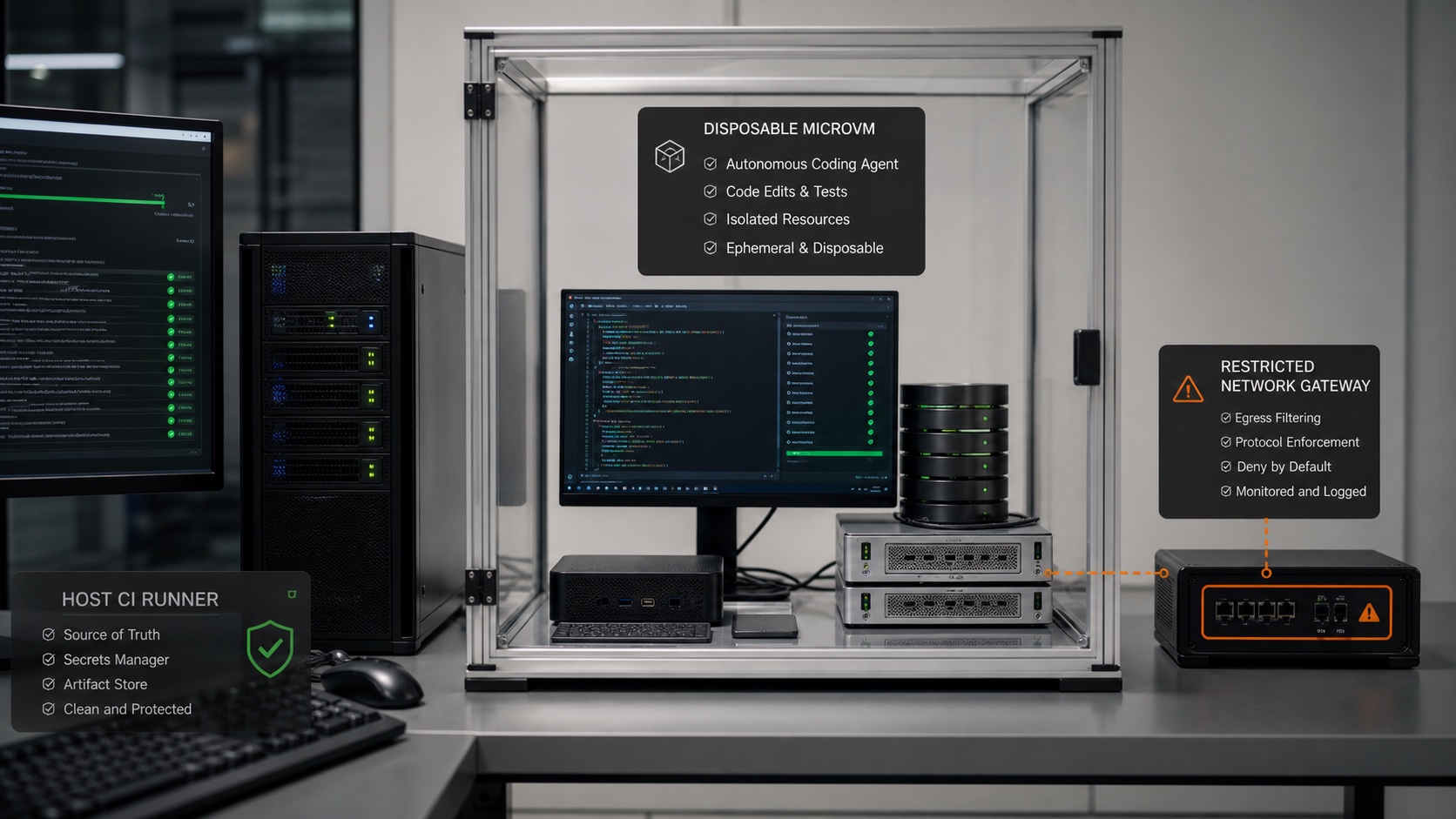
Agents can run Docker and fix code inside a disposable microVM while network and GitHub outputs remain constrained.

The Mac mini M6 arrives September 22 with upgraded CPU and GPU, Wi-Fi 7 and 2.5 GbE. Here is what to check before ordering.

Bot Preference Sync aligns Search, Agent and Training choices with robots.txt. It simplifies policy but does not replace network enforcement.

Mozilla is partnering with Exa to bring AI search into Firefox. Here is what the partnership promises and which controls still matter.

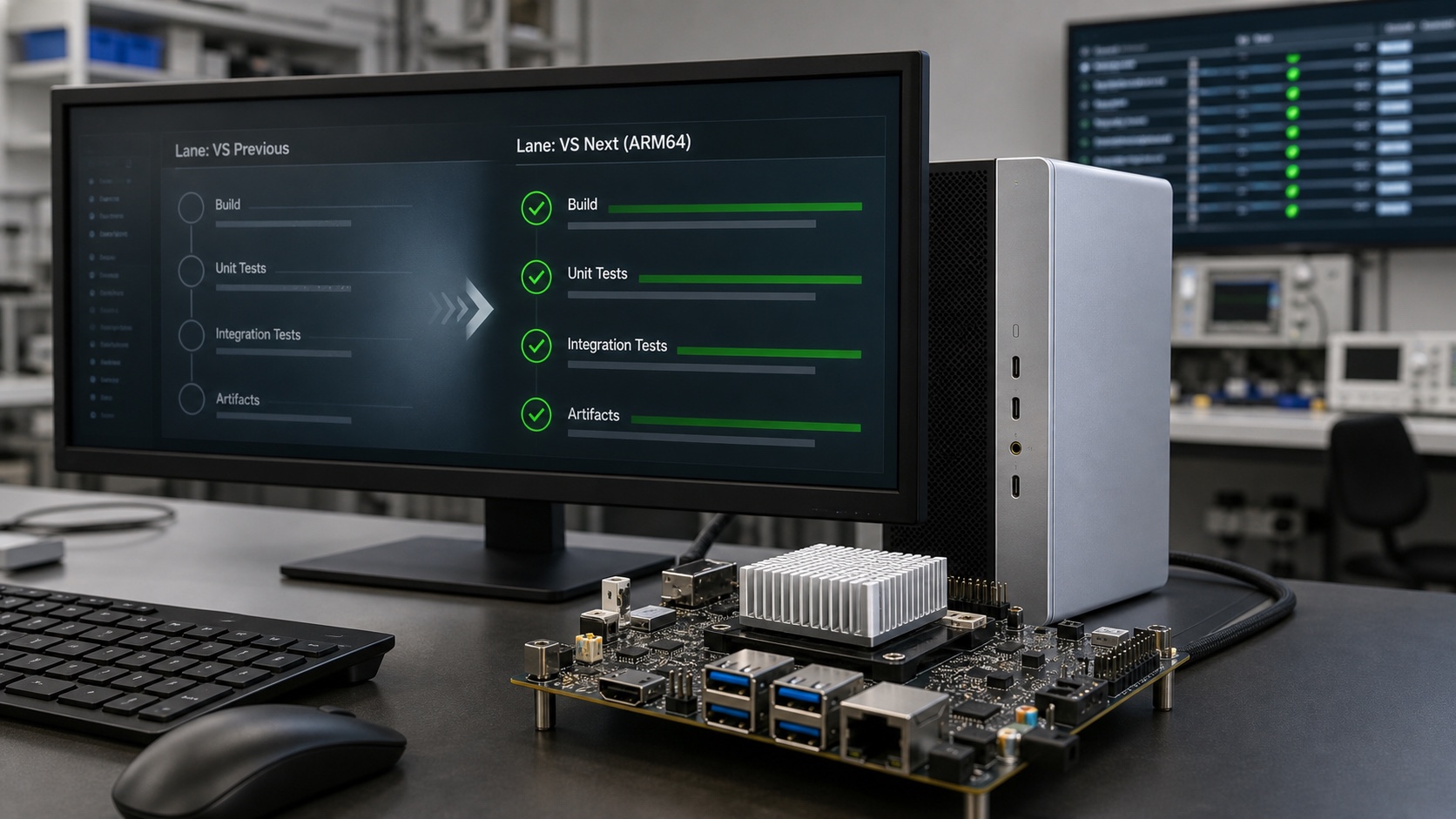
The Windows 11 ARM64 image with Visual Studio 2026 is available. Automatic migration may break workflows tied to VS 2022.

WhatsApp now supports multiple passkeys, replaces the verification PIN and displays more context for calls from unknown numbers.

Five Rust optimizations cut the footprint of a DNS entry by 56% at Cloudflare. Here are the lessons for systems operating at extreme scale.

Chrome Android gains summaries, page questions, image editing and automated browsing. Here are device, subscription and safety limits.

Meta details an infrastructure combining massive embeddings, optimized attention, low precision and topology-aware 5D parallelism.

AI Mode answers from Meta content while creative tools can suggest posts from phone photos. Here is what privacy controls matter.

AWS will stop new email-validated certificates and later their renewals. Here is the timeline and in-place DNS migration path.

Apple limits Siri AI to recent hardware and some platforms in the European Union. Here is the compatibility and rollout picture.

Rust 1.97 enables v0 mangling, surfaces linker messages and rejects warnings without needlessly invalidating build caches.

Visio-Display combines multi-screen delivery, content creation, Linux kiosks and monitoring in an open-source self-hosted platform.

Ask Maps handles complex requests while immersive navigation shows lanes, lights and parking. Here are availability and accuracy limits.

Docker Hub can exchange a signed GitHub job identity for a short-lived token. Here is how to scope rules and migrate from PATs.

Microsoft is raising Xbox prices and discontinuing the 2TB model. Here is how new, used and PC alternatives compare.

MCP's new stateless foundation simplifies load balancing, serverless and failover, while requiring a controlled migration.

WhatsApp is opening username reservations ahead of launch. Here is how optional keys, discovery and privacy limits will work.

ClickHouse 26.7 exposes real query costs while optimizing Top-N aggregation and quantized vector search.

Spotify builds a running soundtrack around pace, duration and workout type. Here is how personalization, availability and limits compare.

The Agent Plugins 1.0 standard packages skills, MCP servers and configuration for reuse across compatible development agents.

Apple and Klarna launch a US device lease with upgrades. Entry prices, returns, buyouts and what international buyers should know.

TCPRoute and UDPRoute move to v1 while experimental APIs get a separate group. Impact and migration plan for Kubernetes platforms.

Backori saves links, text and images on the device, then resurfaces them later. Here is how it works, its privacy model and V1 limits.

OpenAI launches a 13-17 experience with Study Mode, responsible homework reminders, parental controls and safeguards enabled by default.

Full duplex, WebRTC, delegation and context compaction: the architecture that lets GPT-Live listen, speak and reason in parallel.

Google is redesigning Android Auto with immersive navigation, parked video and a more proactive assistant. Compatibility and safety explained.

Availability delays, blocks, appeals and a new dual-use declaration: npm is strengthening software supply-chain security at publish time.

Google uses an encrypted device-to-device check to spot contact impersonation. Compatibility, privacy and the system's limits explained.

From August 26, unconfigured Copilot models inherit a global policy. Here is how organizations can prevent uncontrolled enablement.

Mac files, connected accounts, Chrome browsing and remote tasks: what Gemini Spark can automate and the limits users need to understand.

Voice, chat, approved actions, simulations and human escalation: OpenAI turns production agents into a managed enterprise offering.

Motorized gimbal camera, dual 200MP sensors, YOYO AI, price and availability: what HONOR's first Robot Phone actually changes.

Astra reportedly solved or advanced ten open problems. Manuscripts, Lean certificates, cost and validation: how to read the claim without confusing formal proof with scientific consensus.

Sleep, heart health, recovery, battery life and medical limits: what to check before buying Samsung's new Galaxy Watch9.

BigQuery, Apache Iceberg and Knowledge Catalog aim to unify multicloud data without moving everything: the promise, architecture and limits.

H2, improved noise cancellation, Adaptive Audio and live translation: a practical guide to deciding whether AirPods Max 2 justify their price.

Pretraining, LoRA, RLHF, evaluation and private deployment: Forge offers enterprises a full lifecycle for models adapted to their own domain.

Pixel 11, Pro, Pro XL or Pro Fold: prices, cameras, AI and updates explained. A practical guide to choosing without paying for unused extras.

Limited accounts, registration APIs and an advanced install flow arrive as Android developer verification prepares for its first enforcement phase.

Google has unveiled Pixel Tag, a $29 Find Hub tracker compatible with Android 9 and later. Here is how it works and what remains unknown.

CodeMender scans code, validates flaws with exploits and proposes tested patches. Here is what Google promises and which safeguards teams still need.

Free app Charge Glance gathers Apple device battery levels on macOS. Setup, privacy, everyday uses and limitations explained.

Instagram adds unedited photo sharing for close friends. How it works, privacy limits and protections for teenagers.

Mozilla is accelerating Firefox's schedule on desktop and Android. What changes for users, businesses and localization teams.

Spotify now lets parents in France create a separate child account without Premium Family. Setup, controls and limitations explained.

Cloudflare blocked 935 attacks exceeding 1 Tbps in the first half of 2026. DNS, CLDAP and origin protection: the practical lessons.

Netflix is updating its mobile experience in France with streamlined navigation and a vertical Clips feed. What is changing and what users should know.

Cloudflare has opened the Radar Researcher beta, an assistant that queries network data in plain language and produces verifiable charts.

Copilot on GitHub.com now displays spending per message and session. How to read the indicators, set a budget and avoid needlessly expensive sessions.

Windows 11 is preparing its August update with broader Windows Hello support, a removable AI component and several fixes. What to check before installing it.

Android 17 adds daily limits, downtime and app blocking to Settings. How it works, how it differs from Family Link and practical setup advice.

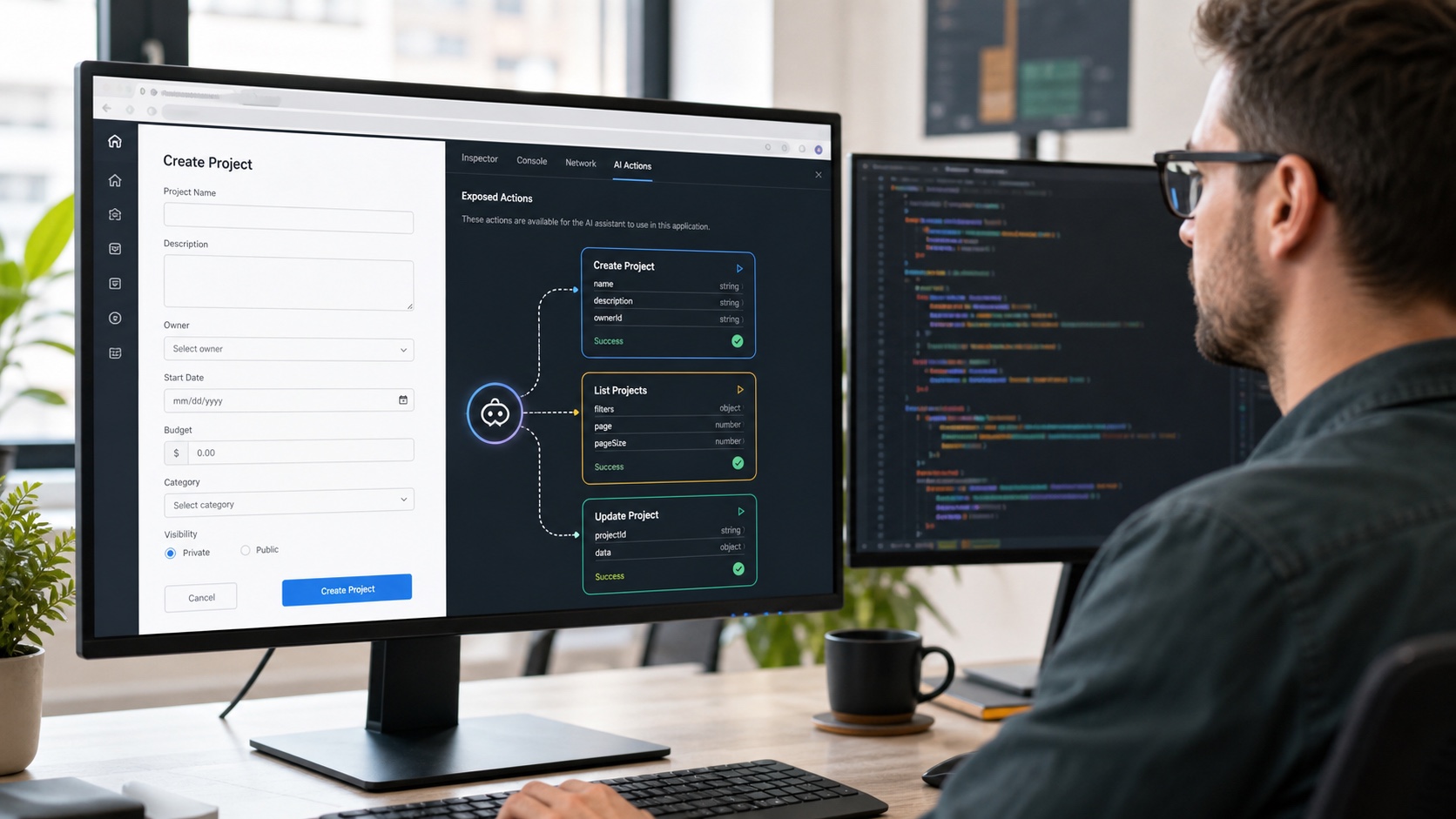
WebMCP lets websites expose structured actions to AI agents. API design, the Chrome 149 trial, use cases, security risks and a practical test plan.

Quick Share now exchanges files with AirDrop on more Android phones. Compatibility, instructions, limits and the QR-code fallback explained.

Enterprises can govern the MCP servers used by GitHub Copilot. How allowlists, matching, deployment and complementary security controls work.

ChatGPT can use Apple Health and supported U.S. medical records. Availability, privacy, medical limits and precautions before connecting sensitive data.

Firefox 153 adds native containers to isolate cookies and sessions in color-coded tabs. Uses, setup, limits and differences from the extension.

WhatsApp adds direct iPad registration alongside richer CarPlay, Android Auto, PDF and music Status features. Here are the uses and limits.

Node.js fixes eleven vulnerabilities across releases 22, 24 and 26. Patched versions, HTTP/2, TLS and Permission Model risks, and a deployment plan.

Firefox now offers a free VPN inside the browser. Availability, data limits, privacy and the differences from a full-device VPN explained.

The /security-review command analyzes changes in GitHub Copilot. Its scope, limits and a practical method for reliable DevSecOps integration.

Google is adding selfie video to account recovery. How it works, eligible accounts, privacy choices and the backup methods to retain.

etcd 3.7 adds RangeStream and performance improvements while removing legacy components. A safe upgrade procedure for Kubernetes operators.

Android 17 is rolling out first to Pixel devices. Features, security, compatibility and backups: the checklist before installing the update.

GitLab Duo CLI is generally available with GitLab 19.2. Installation, interactive and headless modes, security: how to test it safely.

Google will unveil the Pixel 11 on August 12. Here is what is confirmed and what buyers should verify before preordering the new phone.

PostgreSQL 19 Beta 2 sharpens the changes expected this fall. Performance, observability and compatibility: a practical, low-risk test plan.

France's digital ID card is accepted at boarding in French airports. Here is where it works, where it does not, and what travelers should still carry.

GitHub Actions now holds some suspicious workflows for review. What this automatic control protects and what maintainers must still inspect.

OpenAI offers three GPT-5.6 models at very different prices. Capabilities, availability, caching and evaluations: a task-level selection method.

Doctolib's health-data research project starts in August. Data scope, pseudonymisation and the right to object: what patients should check.

Project Perception enters preview with an initial mission: connect security signals, identify attack paths and accelerate software vulnerability remediation.

Spotify is testing a voice interface that can refine a listening session, explain a track and explore music history. Here is what it actually changes.

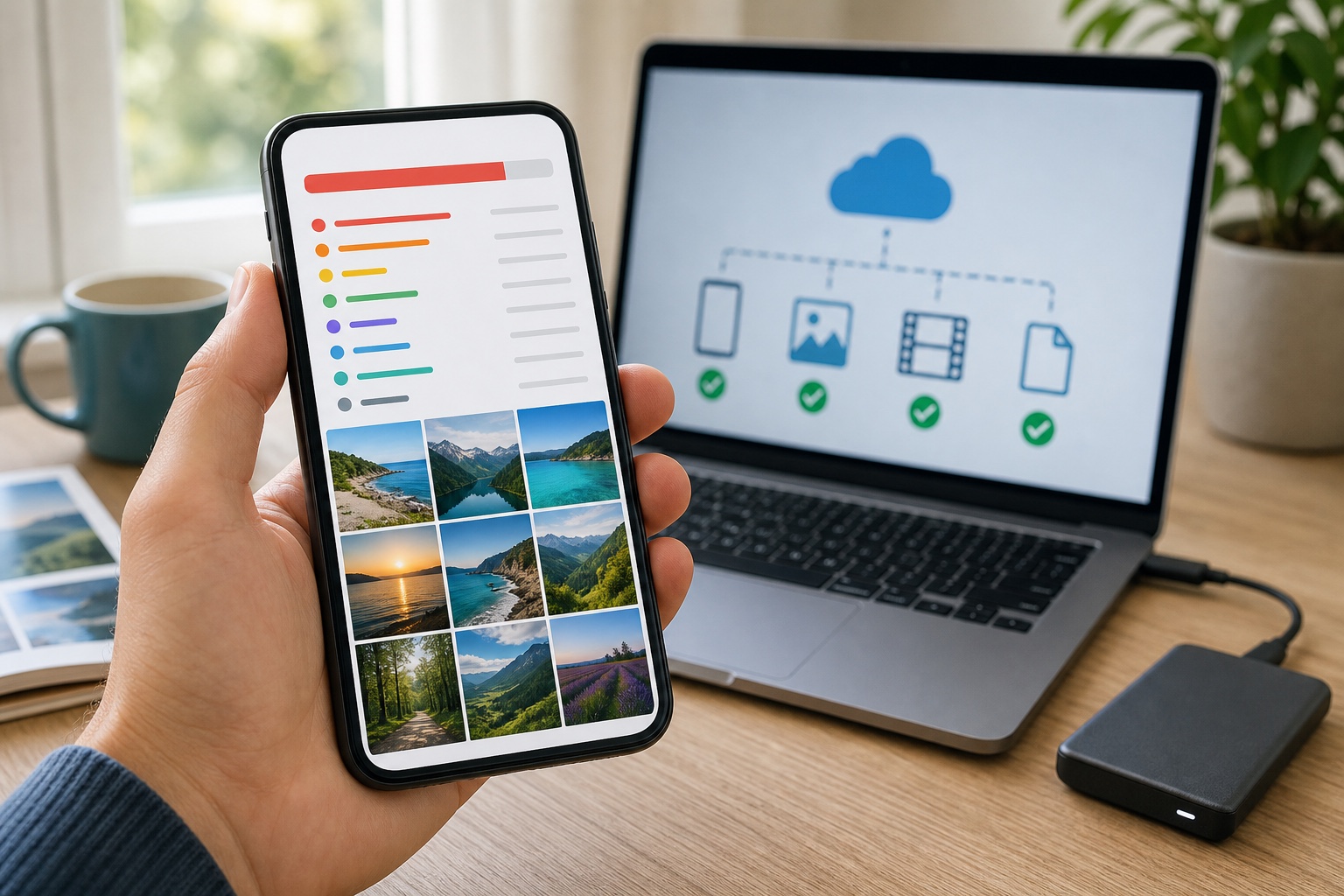
Full iPhone or Android storage: a safe method to identify large files, verify backups and recover space without losing important memories.

Immutable images, secrets, healthchecks, networks, migrations and rollback: a complete method for operating Docker Compose on one server.

PostgreSQL, MySQL, Docker and PITR: an operational method for choosing backups, testing restoration and proving RPO/RTO targets.

Strengths, limits, recovery and use cases: a practical method for combining password managers, passkeys and MFA according to risk.

Tasks, metrics, security, costs and decision gates: a reproducible framework for comparing AI coding assistants on a real repository.

Ingestion, hybrid search, reranking, citations and metrics: a complete method for building a reliable RAG system and deciding whether it is production-ready.

Office work, study, development, creative work or gaming: useful specifications, coherent budgets and the traps to avoid before buying.

An urgency-based method to regain control of an account, limit fraud and respond properly when your personal data has been exposed.

Features, privacy, ecosystems and pricing: a practical method for choosing the AI assistant that fits personal or professional work.

A product method for choosing the right problem, designing for uncertainty, measuring adoption and deciding whether to buy, integrate or build.

From source to evaluation, the components required to supply an AI application with reliable, observable and governed data.

How to evaluate coding assistants, control their access and measure delivery impact without confusing typing speed with team performance.

PCs, phones, networks, storage and backups: a method for buying around real use and keeping hardware useful for longer.

A pragmatic method for protecting accounts, devices, backups and critical services without turning a small business into a security operations centre.

A practical guide to selecting an AI use case, evaluating an assistant, protecting data and measuring value before scaling.

OpenAI is reportedly building a mobile, voice-first home device with Jony Ive. Beyond the curiosity, the project raises very practical questions.

GitHub now separates its public program from a better-paid VIP tier. The platform wants to reward deep research instead of submission volume.

The playground, catalog, inference API and BYOK disappear on July 30. Teams should treat the shutdown as a genuine platform migration.

Microsoft's latest results offer a practical read on the AI moment: demand is real, but so is the data-center bill.

NVIDIA, AMD, IBM, Microsoft and other companies are backing a security alliance for open-weight models as the debate becomes harder to avoid.

An incident involving a research agent shows why autonomous systems need real incident procedures, not only prompt-level guardrails.

Samsung is no longer launching a single showcase foldable but three devices for distinct uses. Here is what that strategy changes for buyers.

With the iOS 27 public beta, Apple is opening its rebuilt Siri to more users and asking a simple question: can AI become truly everyday?

Atlassian is tracking AI use more closely while GitHub documents premium-request billing: tokens are becoming something engineering leaders manage.

Accomplish AI's SharedRoot chain shows why local agents must be treated as untrusted execution environments, even when they run inside a virtual machine.

GitHub Copilot browser tools in VS Code are broadly available. For frontend teams, the real value is the edit, observe and correct loop.

More than 1,200 AI lab employees are calling for tools to pace the development of systems that could automate AI research.

Apple fixes dozens of vulnerabilities in iOS and iPadOS 26.6. Even without a flashy feature, this update matters for everyday users.

Critical SharePoint vulnerabilities show a hard rule: after likely compromise, patching must be paired with key rotation and incident hunting.

With Decathlon and Lidl in Germany, Wero is moving beyond bank messaging and into the real test: becoming a daily checkout habit.

X is launching a financial service with transfers, a Visa card and advertised yield. The idea is mainstream, but trust remains the real test.

AI agents are not just faster assistants. They force product, engineering and security teams to rethink how work is scoped, delegated and reviewed.
AppleCare One covers multiple Apple devices under one plan. It can be useful, but only for specific user profiles.

Fake troubleshooting tips are pushing gamers to paste PowerShell commands. Here is how to spot the trap and what to do if you already ran one.

Recent cyber alerts point in the same direction: AI and automation amplify attacks that still rely on very familiar social and technical patterns.

The growth of AI workloads pushes datacenters toward a new limit: access to electricity, cooling, GPUs and available regions.

AI Overviews are arriving in Google Search in France. Here is how to use them without losing the habit of checking sources and comparing web links.

With AI Overviews, Google places synthetic answers above links. For publishers, search visibility is no longer only about ranking in blue links.

AI agents promise to automate complete tasks, but their autonomy turns data protection into an architecture and product design constraint.

Between open-weight models, European infrastructure and price pressure, organizations now have to balance performance, sovereignty and operational control.


Before adding an AI component to a product, teams need to frame data, outputs, permissions and monitoring like any other critical system.

Every spec sheet now talks about AI. Smart buying still starts with camera quality, battery life, updates and features you will really use.

A useful technical watch fits into a short routine: fewer sources, explicit filters, a searchable archive and decisions that lead to action.

European transparency rules for AI systems are moving closer. Product teams need to turn a legal constraint into a clear user experience.

The Node.js calendar is moving toward an annual cadence from Node 27. Teams that only follow LTS should update their monitoring.

Domain-bound keys, local unlocking and no shared secret: understand why passkeys stop fraudulent websites.

PostgreSQL 18 brings technical improvements that directly affect performance, migrations and data modeling.

A synthetic answer becomes more valuable when users can understand sources, limits and next actions.

Wi-Fi 7 promises more throughput and lower latency. For many homes, the real gain still depends on devices, fiber and placement.

Iceberg brings snapshots, schema evolution and hidden partitioning to large analytical datasets.

AI assistants are spreading across business tools. Their value depends less on the demo and more on how they fit real processes.

Not every vulnerability deserves the same urgency. Actively exploited flaws should move up the queue.

AI features have variable cost. SaaS products need a readable model between plans, credits and limits.

TypeScript keeps improving developer experience. Teams mainly need to align configuration, bundler and runtime.

With USB4 v2, docks, displays and external SSDs gain potential. Users still need to read logos and real capabilities.

Open models provide more control, but they move responsibility toward the organization that deploys them.

An AI assistant can impress quickly. The real product challenge is integrating it into the first useful action.

Adding a vector database does not make an assistant reliable. Documents, chunks and metadata often determine the result.

Companies talk a lot about backups. In a crisis, the real indicator is the ability to restore quickly and cleanly.

Editorial sites need to be fast, easy to publish and flexible enough for interaction. Nuxt fits that compromise well.

Windows 11 versions have different end-of-support dates. For small companies, tracking the calendar prevents rushed migrations.

An extension installed to save time can read sensitive pages. Teams should treat the browser as a critical surface.

Feature flags decouple deployment from launch. Poorly governed, they become invisible debt.

AI-oriented PCs promise faster local features. The right choice mainly depends on ownership duration and real workloads.

Duplicates, incomplete fields and contradictory definitions become more dangerous when a model reformulates them confidently.

React 19 stabilized several server-side building blocks. Teams need to decide where data, rendering and interactivity belong.

Text, image, voice and context are merging in search. Consumer apps need to adapt their journeys to this new behavior.

Accessibility costs far less when integrated before final design and complete development.

Running part of AI on PCs or phones promises lower latency and better privacy, but it does not remove the need for governance.

Teams monitor APIs with traces and metrics. Data pipelines deserve the same rigor to understand delays and errors.

Arm laptops appeal through endurance and silence. Before buying, critical software still needs to be checked.

LLM applications mix instructions, documents and actions. Prompt injection exploits that confusion of roles.

The Rust 2024 edition shows how the language evolves without abruptly breaking the ecosystem. It is a lesson for backend migrations.

A good support agent is not judged only by closed tickets. Its ability to hand the right case to the right human is becoming central.

Photos, videos, documents and backups push some households toward NAS systems. The real topic is still backup strategy.

Customers want to understand what they install. The SBOM turns software dependency into a concrete discussion object.

The semantic layer promises shared metrics across BI, notebooks and AI. It mostly requires clear governance.

Security, privacy, responsible AI and compliance are becoming commercial questions. Trust centers must remain readable.

Every API changes. Maturity appears in how teams warn, measure and support breaking changes.

Testing an AI assistant requires more than a few successful prompts. Teams need to measure robustness, limits and the cost of mistakes.

Test accounts, forgotten keys and inherited rights create a quiet attack surface in cloud environments.

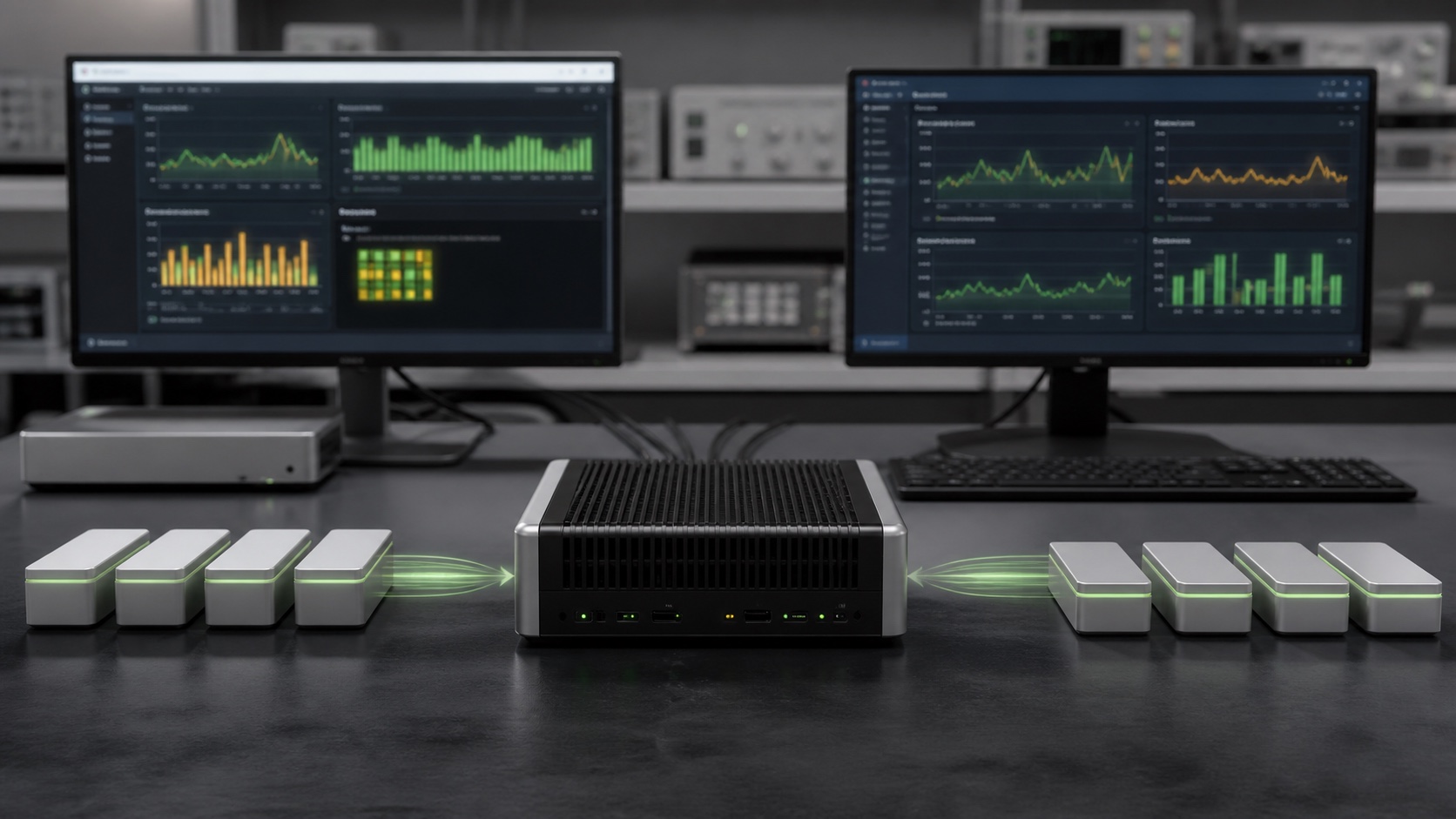
Modern mini PCs make it possible to test Docker, databases and internal services without renting permanent cloud capacity.

When search and social platforms become unpredictable, newsletters recreate a direct relationship with readers.

Streaming is powerful, but it adds cost and complexity. The right pace depends on the decision being made.

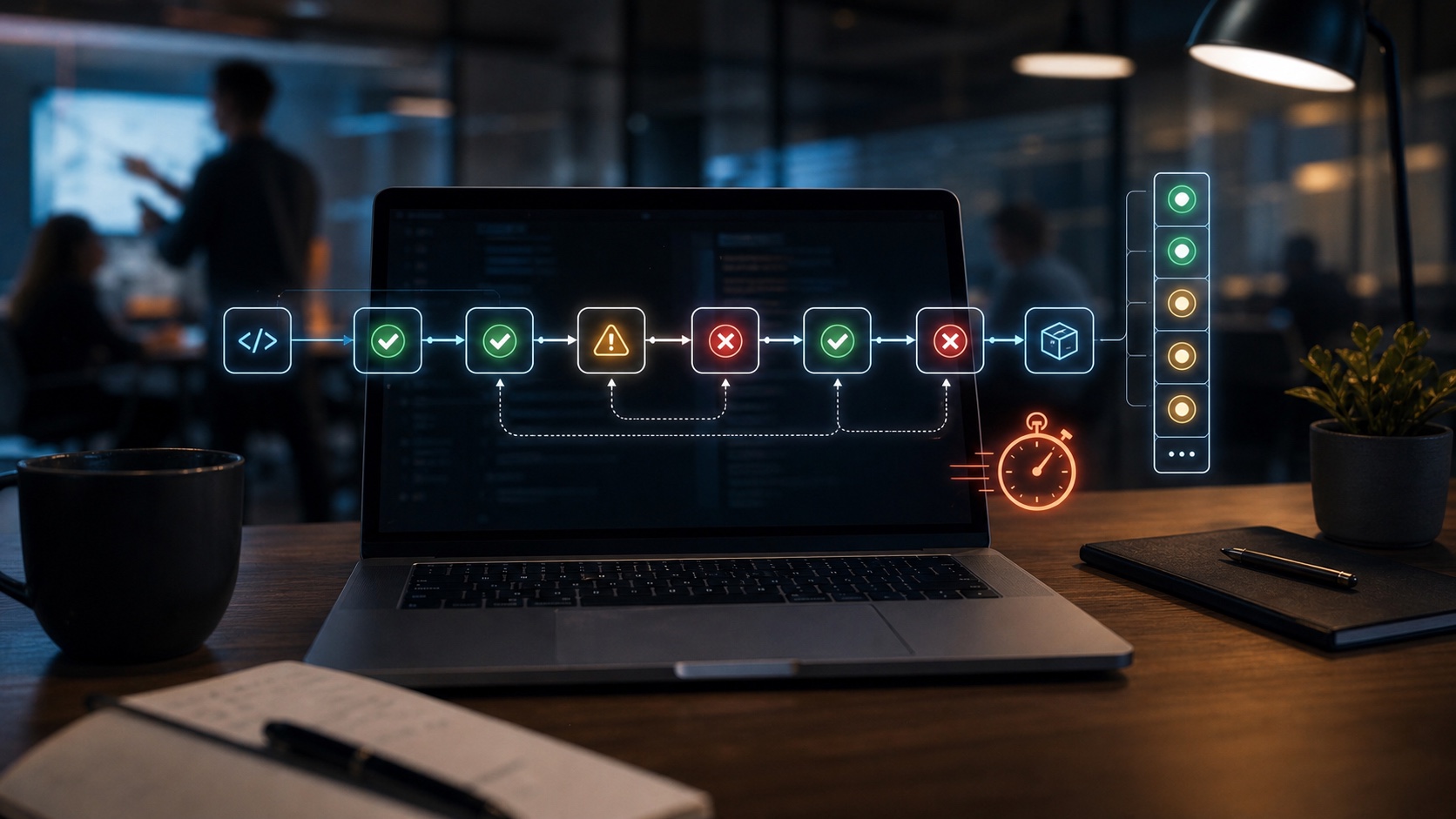
An unstable test harms more than pipeline duration. It slowly destroys trust in quality signals.

Metrics guide decisions. Poorly chosen metrics encourage interfaces that manipulate instead of helping.

An AI feature can succeed technically and fail economically. Cost per request is becoming a product metric.

OLED is reaching desks with perfect blacks and fast response. For office work, brightness, burn-in and ergonomics need checking.

Teams want to give models more context. The best protection is sometimes not sending the data.

Putting projects together is not enough. Without cache, ownership and conventions, the monorepo slows everyone down.

Zero trust is often sold as a large transformation. A small company can still start with simple decisions.

Prompt injection, sensitive data, plugins and context chains force teams to secure the whole AI application.

Prospects have seen enough magical demos. They want to know how AI works with their data, rules and risks.

Tokens structure colors, spacing and typography. Their real value comes from governance, not the JSON file.

Synthetic data can protect privacy and speed up tests. It must still be compared with reality.

Running services at home can cost more than expected. Always-on watts should influence technical decisions.
QR codes move users to their phones, outside many usual enterprise protections.

AI accelerates code writing, but shifts effort toward validation, tests and understanding side effects.

Identifying AI-generated images, audio and text is becoming necessary, but trust also depends on context and traceability.

Useful logs cannot be improvised during a crisis. Teams need to decide in advance what must be visible.

Latency and availability are not enough. In production, a model can stay online while getting worse.

AI requests arrive from everywhere. A solid roadmap must balance value, risk, cost and operational capacity.

Remote work, streaming, cloud gaming and connected devices make home networking look like a small infrastructure problem.