
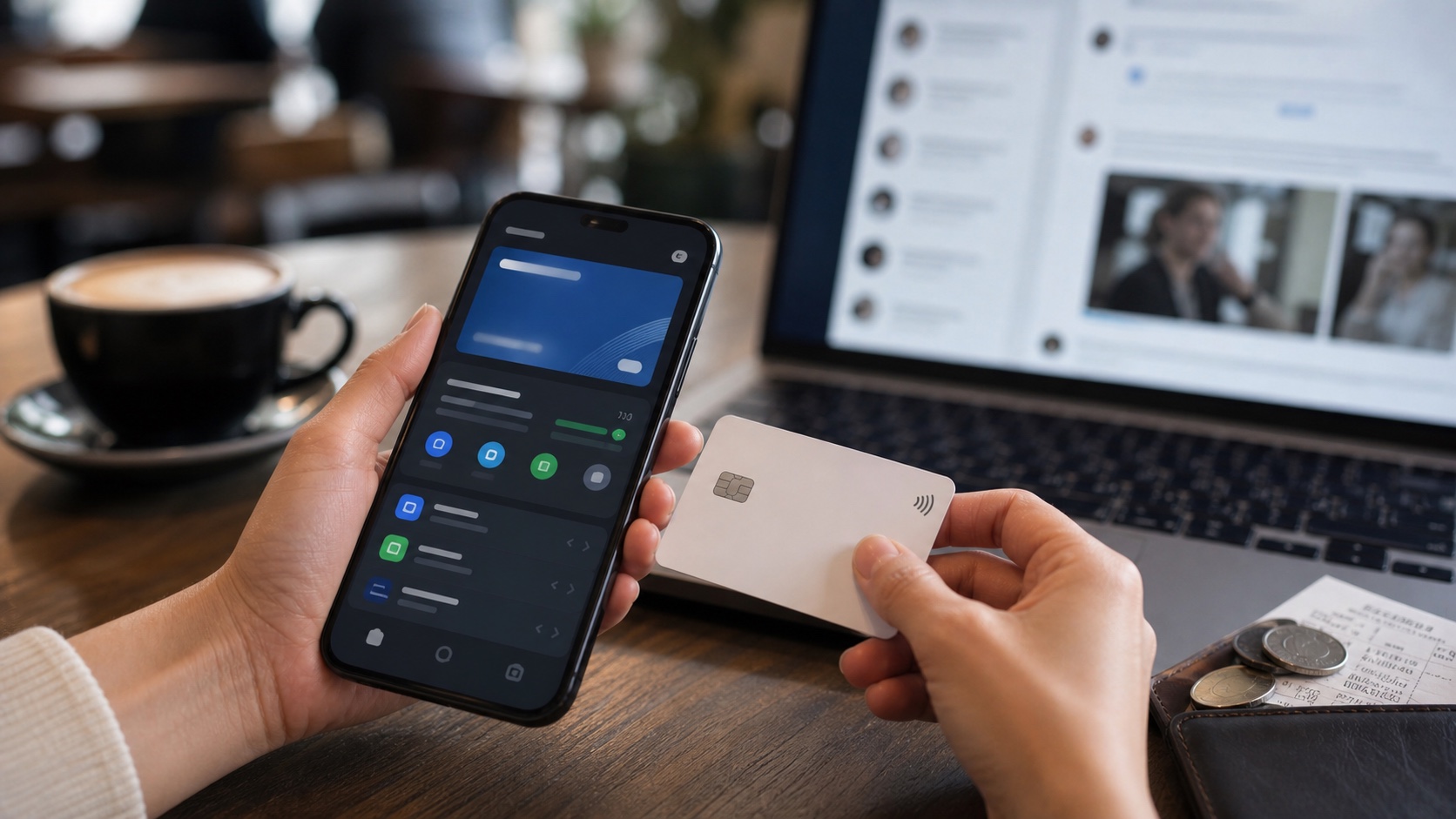
X Money gives a concrete shape to Elon Musk's ambition to turn X into an "everything app." The service launched in the United States looks like a bank-like account inside the social network: transfers between users, a Visa card, advertised yield on deposits and cashback on some purchases.
According to Associated Press, X Money relies on banking services provided by Cross River Bank. X is therefore not becoming a traditional bank. The social network provides the interface, experience and distribution, while regulated infrastructure is operated by a banking partner. That architecture is common in fintech, but it becomes more sensitive when connected to such a visible social platform.
The product is easy to understand
For users, the offer is deliberately readable. They can send money to another X user, receive funds, use a Visa debit card and benefit from promotional conditions such as 6 percent yield on some deposits or cashback. The service remains limited to the United States and is tied to paid X subscriptions.
That simplicity is strategic. Peer-to-peer payments are already dominated by strong habits: Venmo, Cash App, Zelle, PayPal, Apple Cash depending on the country and use case. To convince users, X needs an immediate reason to try it. Yield and cashback play that role.
But a financial product is not judged like a new social feature. The question is not only "is this convenient?" It becomes "do I trust this app to hold my money, verify my identity, secure my transactions and handle disputes correctly?"
The social network as a banking channel
X's potential advantage is obvious: relationships are already there. Creators, subscribers, brands, journalists, communities and customers interact on the same platform. If money moves where attention already lives, X can reduce friction between posting, conversation, subscription, tipping, buying and payment.
That is the super-app idea: capture not only screen time, but also the transactions that come from that attention. In that scenario, a creator can receive income, a user can pay for a service, a brand can sell and X can keep more activity inside its own ecosystem.
The logic is powerful, but it also creates a sensitive mix. A social network is a place of conflict, misinformation, impersonation, compromised accounts and coordinated campaigns. Adding money mechanically raises the incentive for attackers.
Trust becomes the product core
X Money's main challenge is not technical. Cards, transfers, deposit accounts and real-time payment rails already exist. The challenge is operational trust.
Users will need to understand where their money actually sits, which entity carries banking responsibility, what deposit insurance limits apply, how identity checks work, how to dispute a transaction and what happens if an X account is suspended, hacked or locked.
Those details are not secondary. On a social network, account identity is already a major issue. In a financial product, it becomes critical. An email change, loss of access, fraud event or suspension should not trap a user's money without a clear process.
The business model to watch
High yield and cashback attract attention, but they do not explain the whole model. A generous offer can acquire users, strengthen the value of premium subscriptions or establish a habit. The question is whether those terms remain durable after launch incentives fade.
The other lever is data. A payment service integrated into a social network can create a rich view of behavior: who follows whom, who buys, who sells, which communities convert and which creators really monetize. That data can improve the product, but it needs careful boundaries.
For users, the right reflex is to separate the appeal of a promotion from the trust decision. A useful card and attractive yield are not enough. Fees, limits, support, fraud protection and account stability matter just as much.
What about Europe?
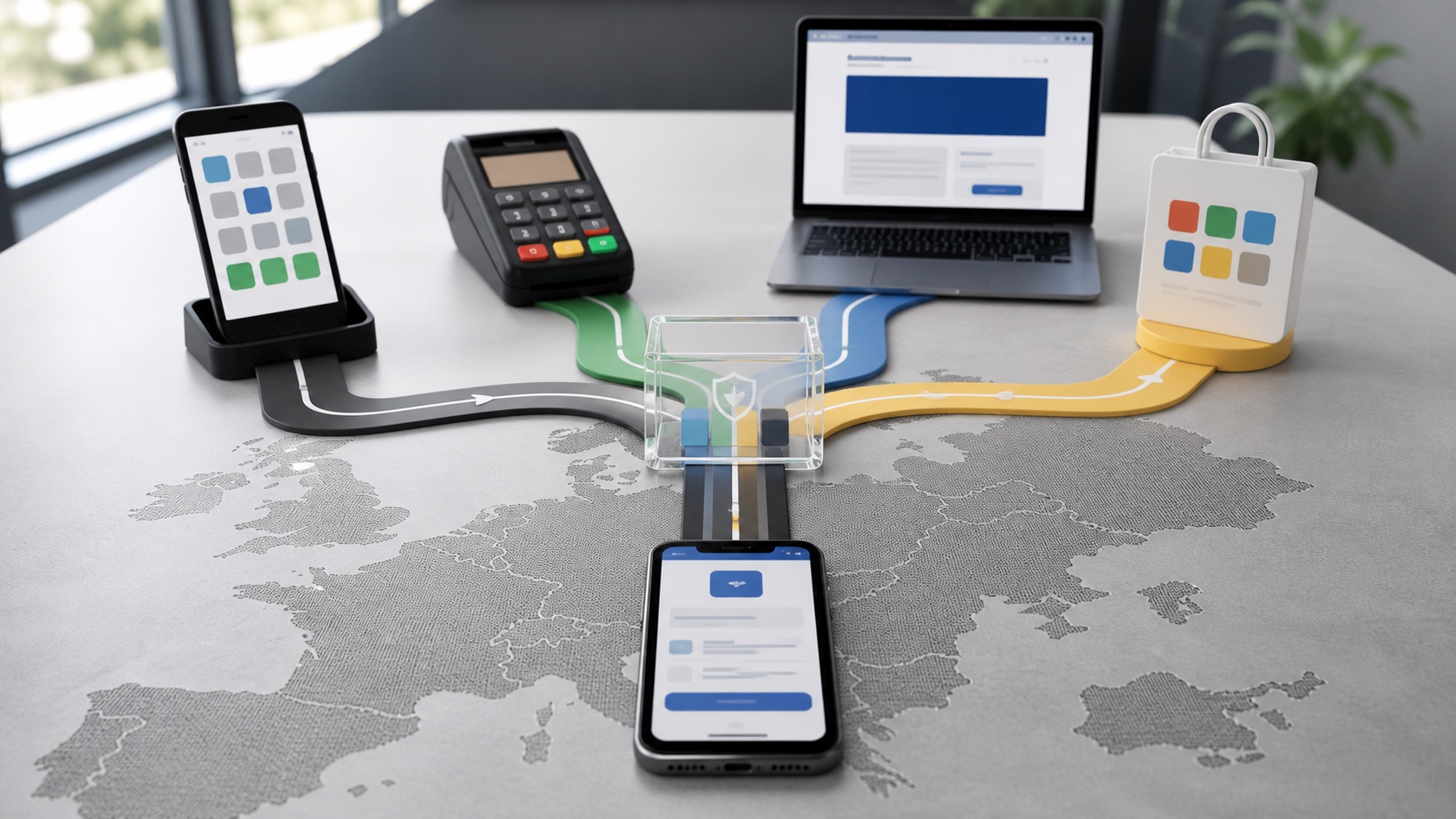
For now, X Money is a US story. A European rollout would face a different regulatory framework around payments, identity, consumer protection and personal data. The product would need adaptation, not simple replication.
That does not make the signal less important. Large platforms are trying to bring content, conversations, payments and commerce closer together. Banks, fintech companies and social networks will overlap more often. The question is who can inspire enough trust to manage both attention and money.
X Money could become an important product if the experience is simple and trust follows. But in consumer finance, the interface is never enough. The real battle starts when the first user loses access, disputes a payment or asks where the money is actually protected.


Join the discussion
Comments
Loading comments…