

AI development tools: adopt them without losing quality
How to evaluate coding assistants, control their access and measure delivery impact without confusing typing speed with team performance.
aidevelopmentqualitytestingci-cd
Category
Frameworks, languages, software architecture and developer tools.
Development coverage follows languages, frameworks, architectures and tools that change engineering work. It focuses on migration, maintainability, quality and production trade-offs.
Reference guide
How to evaluate coding assistants, control their access and measure delivery impact without confusing typing speed with team performance.
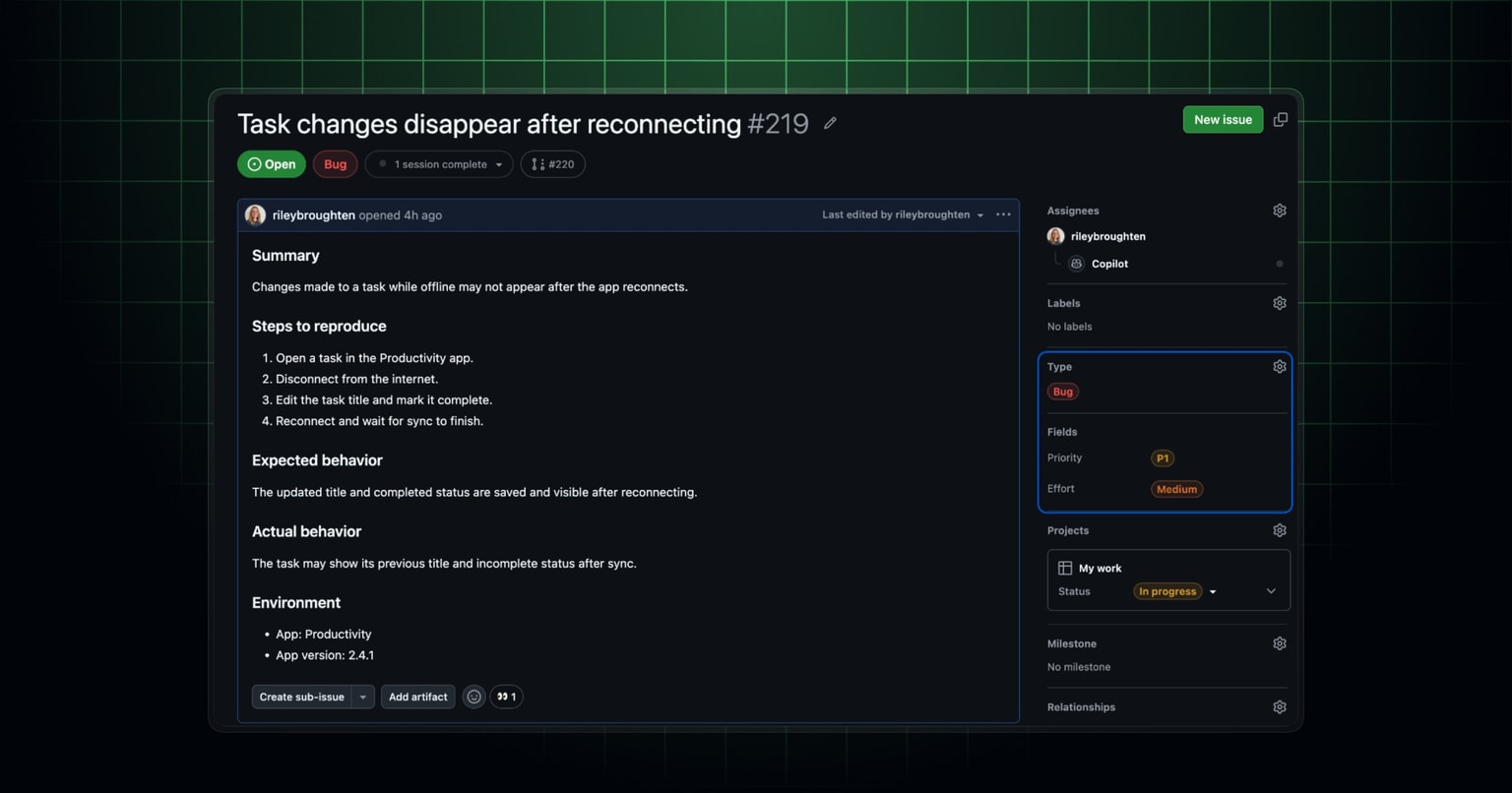
The November 11 announcement expands planning tools to personal accounts. A short, shared vocabulary matters more than the number of fields.
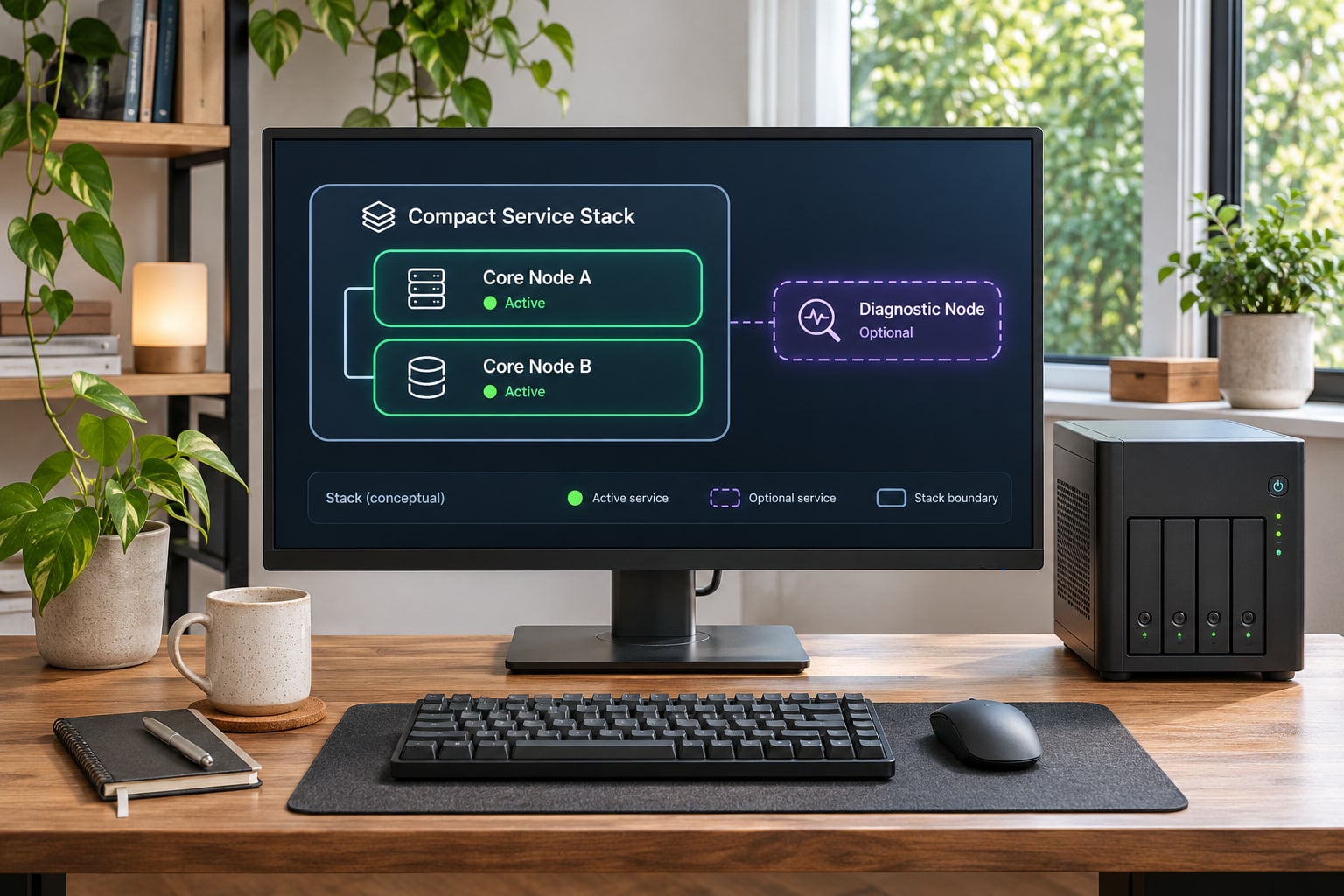
Profiles organise optional services, but an explicit target can activate one. Review the commands as well as the YAML.
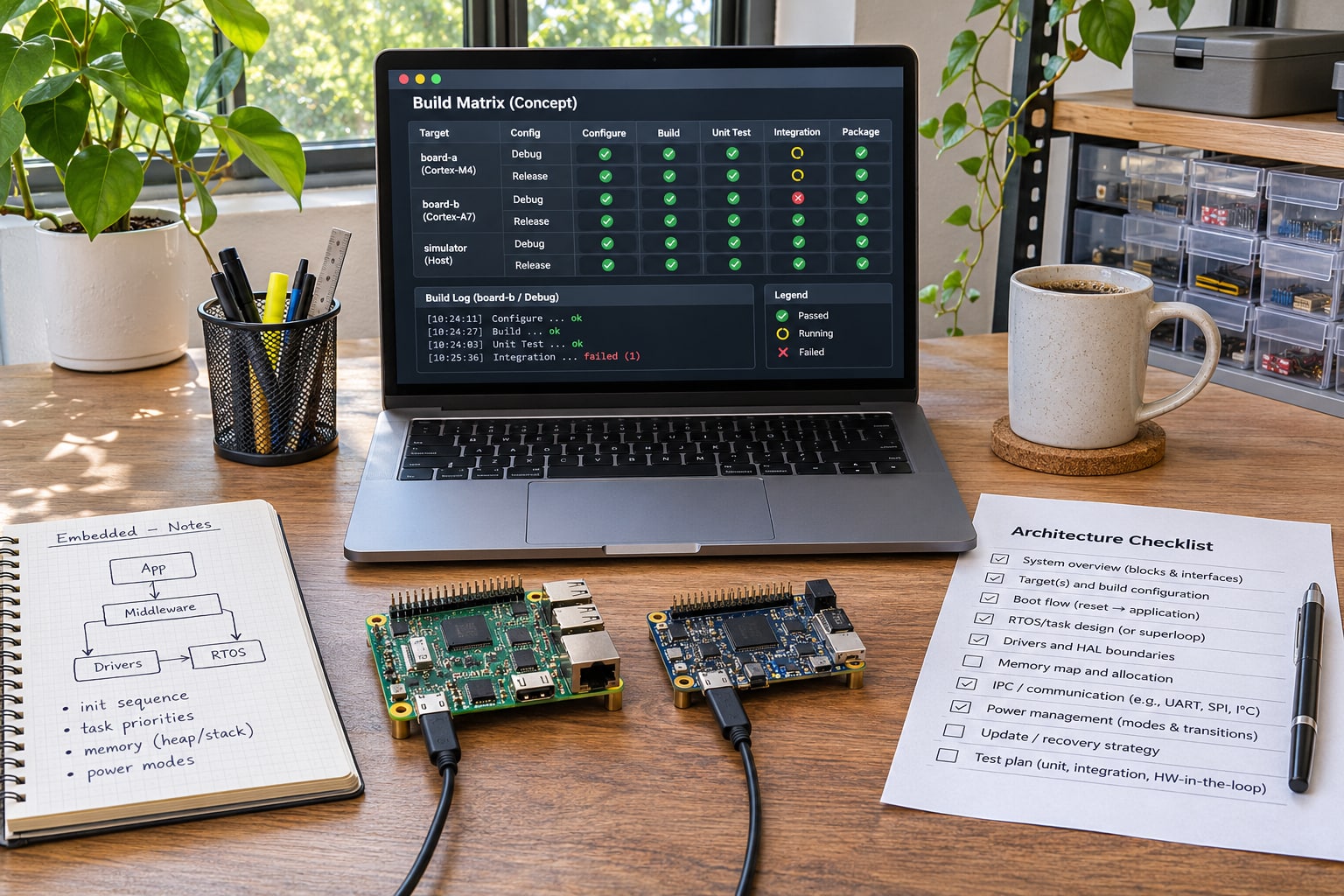
The November 12 announcement concerns ARM32 execution on hosted runners. A 32-bit build target and its build machine are not the same thing.

A digest identifies exact content; it does not keep that content updated. Plan selection, validation and recovery together.

The November 2 rollout limits how long a leaked token remains useful. Existing sessions and other credentials still need review.

Receiving an event twice should not create two orders. Use identifiers, durable storage and recovery tests to make webhook processing reliable.

File-mounted secrets reduce some exposure without becoming an encrypted vault. Map access and prepare rotation before changing deployment.
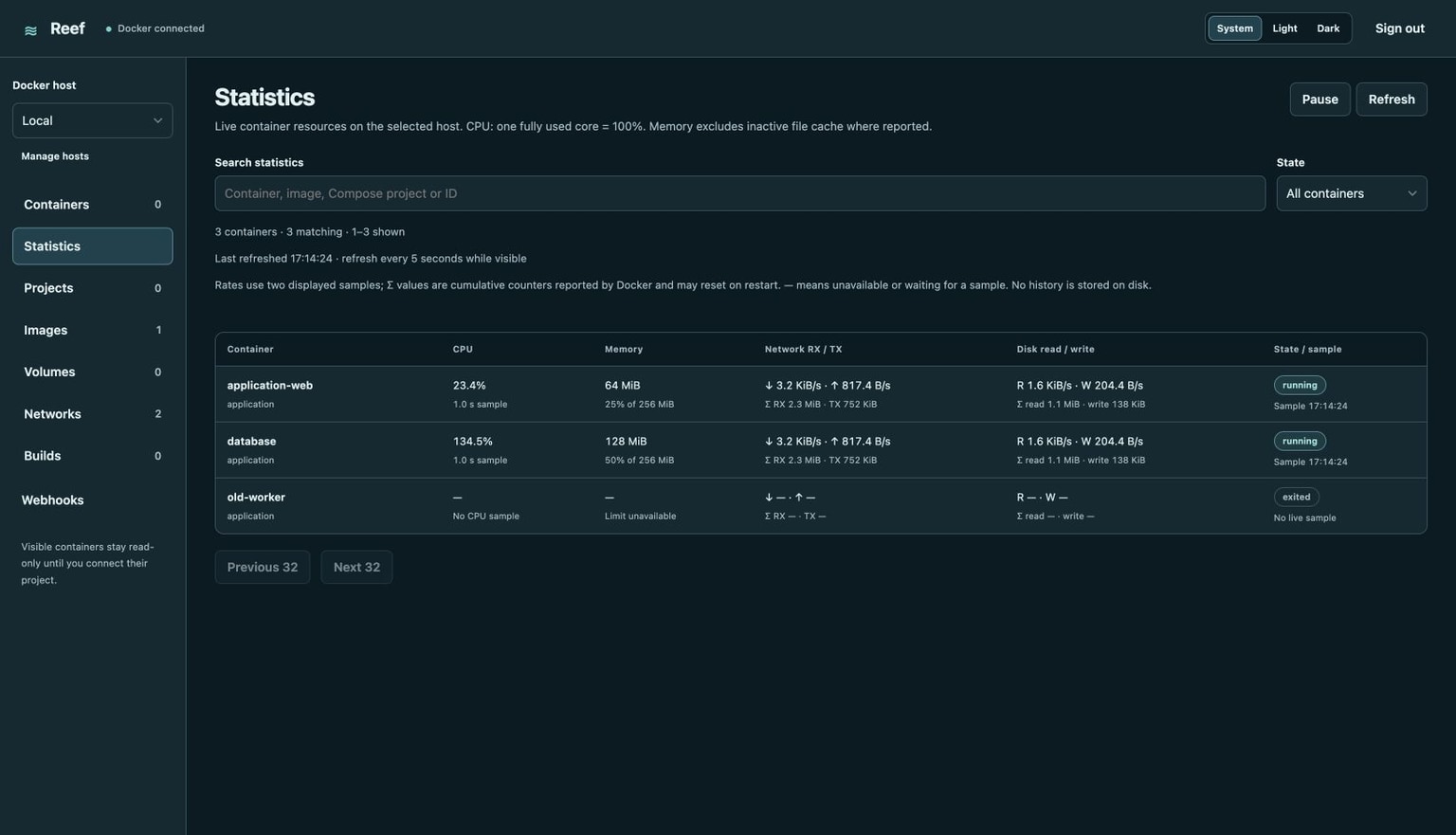
Containers, Compose projects, logs and remote hosts: Reef brings Docker operations together. Examine the open project alongside its permissions and limits.

Speeding up installation and transferring a build result are different needs. Choose the right mechanism and test without cache.

Workflow dependency lockfiles are generally available. Pin execution without mistaking reproducibility for a security guarantee.

Rate limiting calls for controlled retries, not faster loops. Combine Retry-After handling, bounded retry budgets and shared concurrency limits.

GitHub reports tracing limitations involving macOS 27, Xcode 27 and Swift 6.4. Check extraction and published analysis, not merely whether the application compiles.

GitHub CLI can refresh expiring OAuth credentials automatically. Review scripts that copy tokens before assuming every existing workflow will keep working.

Firefox 158 adds JPEG XL and improves generated PDFs. Web teams still need to check their real content, preserve fallbacks and verify document usability.

More targeted creation and installation permissions give teams a reason to revisit automation that still depends on overly powerful GitHub credentials.

GitHub's workflow lockfile preview pins dependency commits. What it protects, what it does not, and how teams can introduce it without losing maintainability.
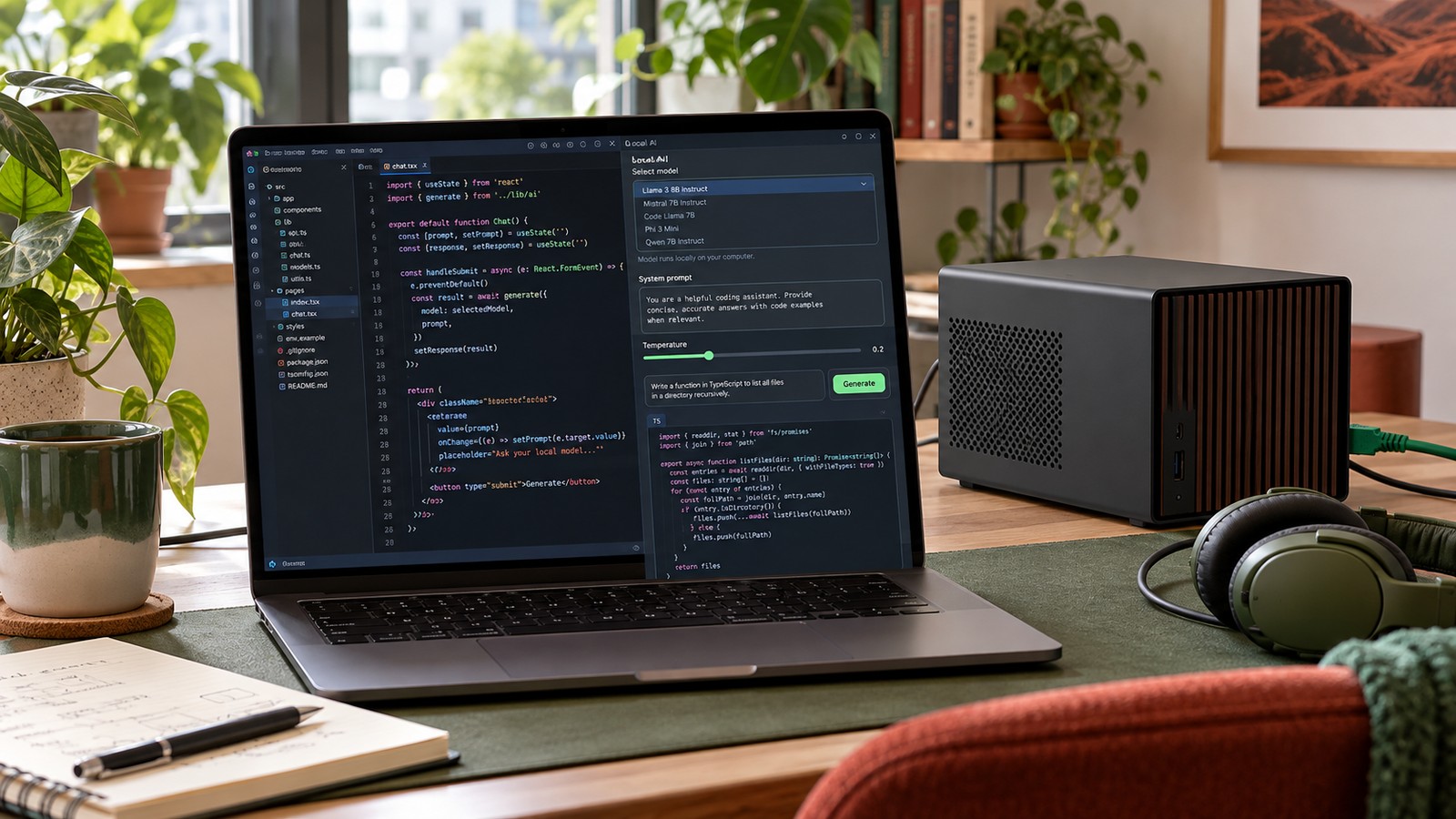
Copilot CLI can discover local Ollama models. Requirements, privacy boundaries and a practical way to compare them with cloud providers.
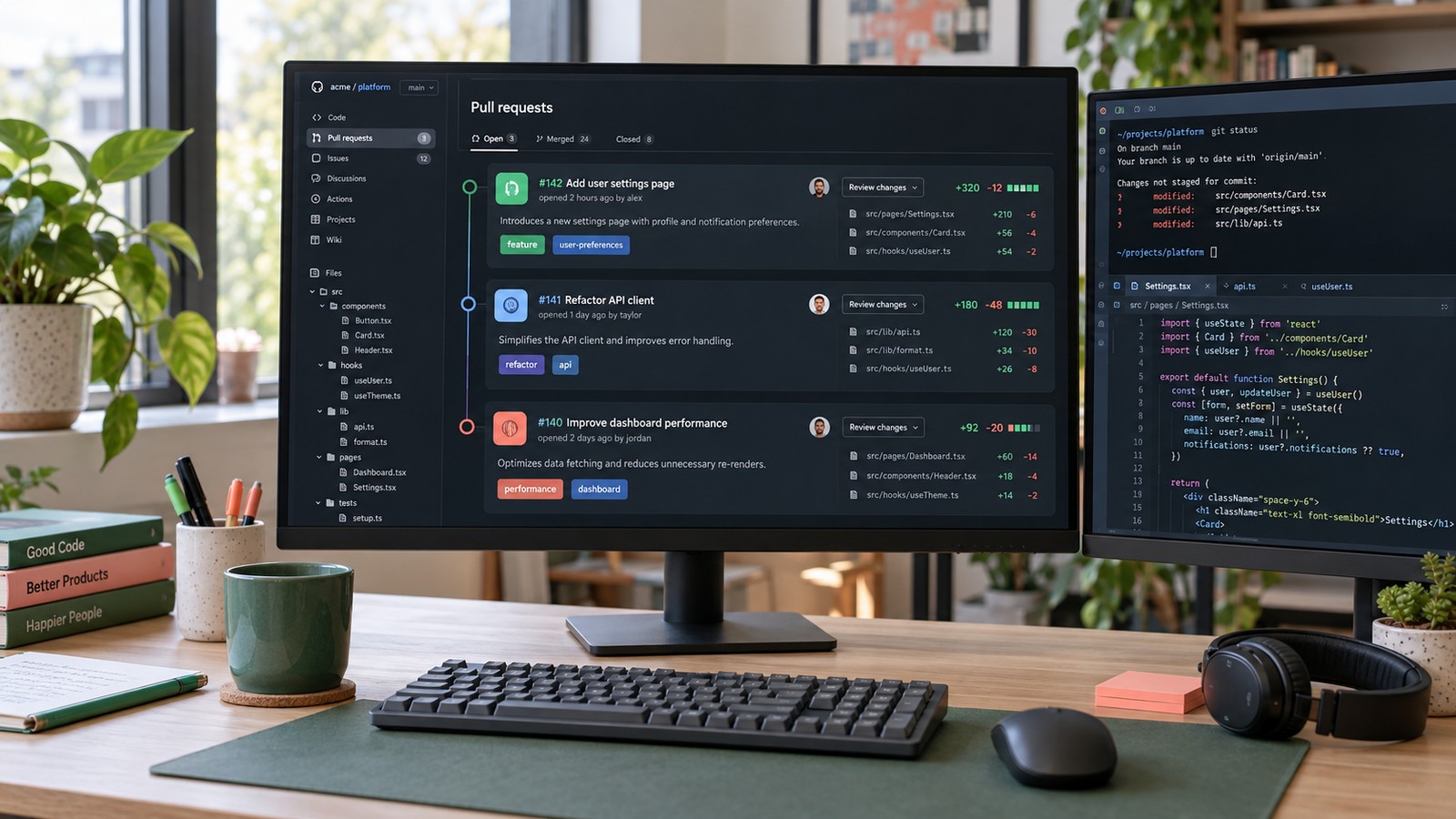
Stacked pull requests are generally available on GitHub. How to split a large change into focused reviews without creating an opaque dependency chain.
The asynchronous merge API is generally available for individual or stacked pull requests and merge-queue operations.
GitHub runners now execute JavaScript actions with Node 24 and have removed the temporary opt-out that still allowed Node 20.
Cache Rules can normalise headers declared by Vary, preserve exact values or bypass caching to serve the right representation without excessive fragmentation.
The GitHub Copilot app can restrict files, networking and credentials available to agents running locally on a per-project basis.

GitHub used its own agents to port the Copilot runtime to Rust, showing both the leverage and limits of agent-assisted development.
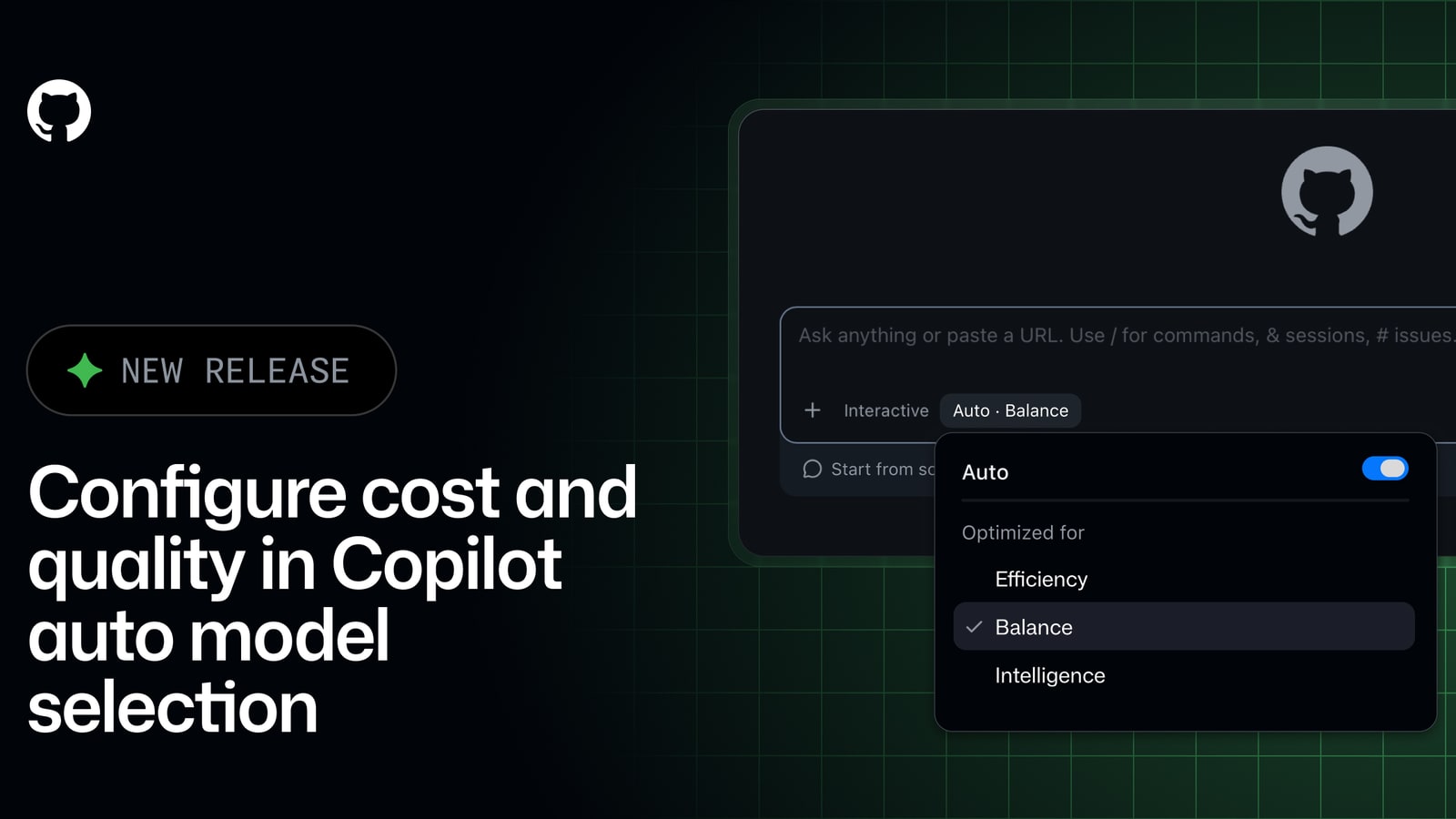
Copilot Auto adds three tiers for cost, quality and latency while selecting a model independently for each request.

Microsoft gives applications an age band and verification status without disclosing the user's full date of birth.
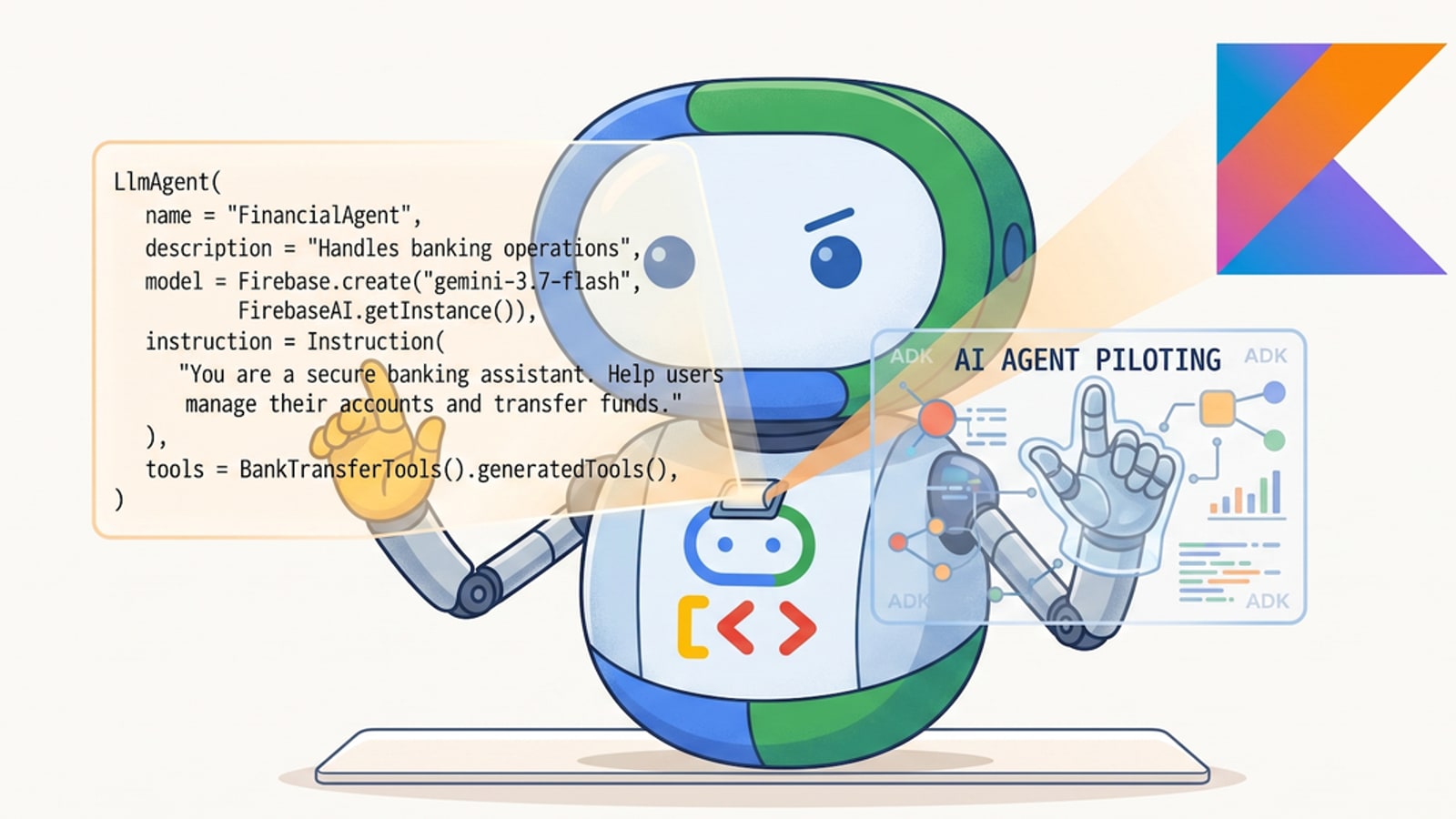
Google’s agent toolkit reaches 1.0 with Kotlin Multiplatform, on-device Android extensions, resumable sessions and human approval flows.

Proposals are open until September 23 to select features browser vendors will jointly improve for interoperability during 2027.

Copilot Code Review can submit an approval that counts toward merge rules. The feature remains off by default and can be restricted by path.

Docker Desktop 4.86 offers a first-party hypervisor optimized for containers. Here are expected gains and beta precautions.

From October 1, Apple unifies EU terms: 26% with IAP, 20% with in-app alternative payment and 5% outside the App Store.
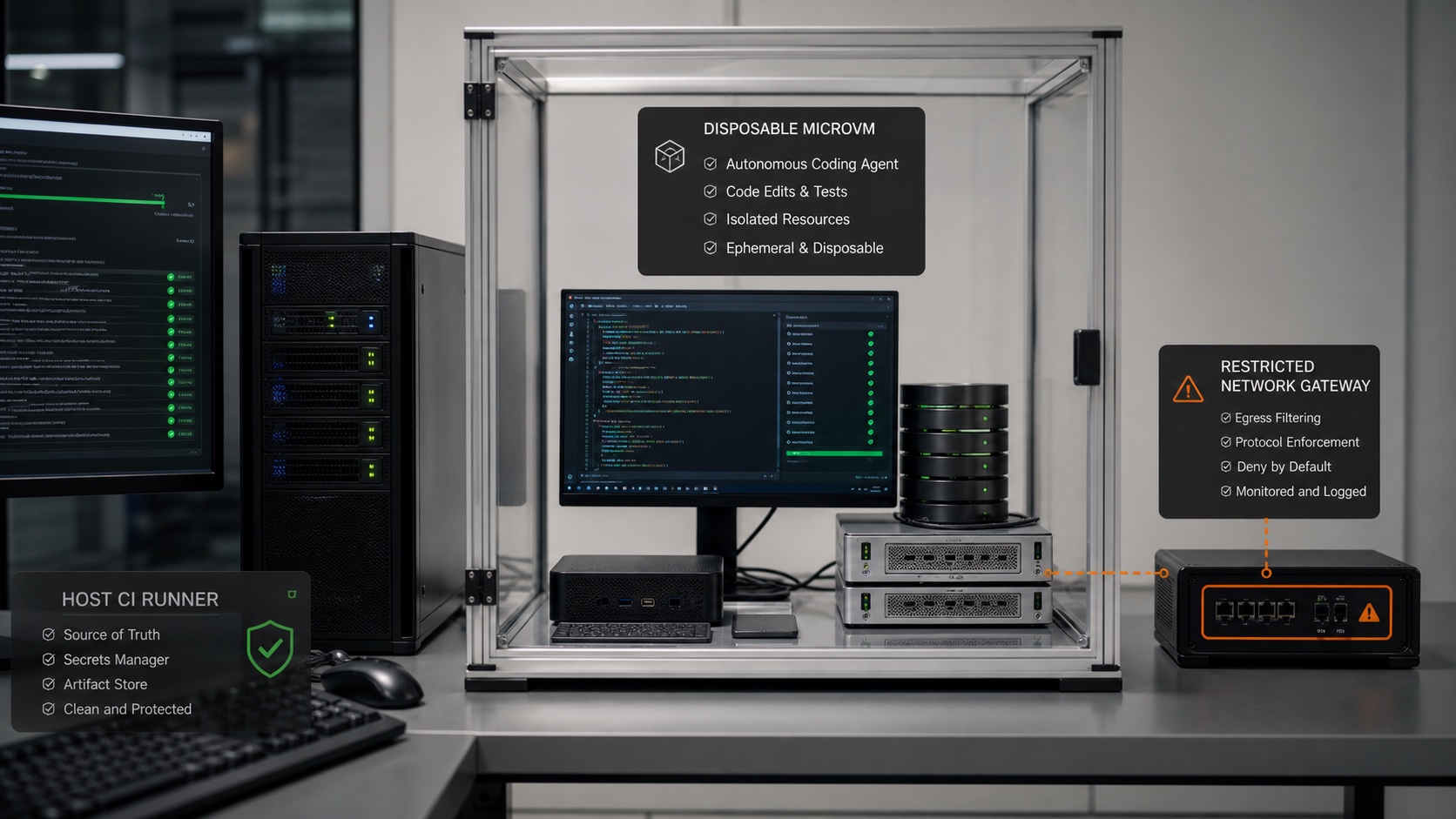
Agents can run Docker and fix code inside a disposable microVM while network and GitHub outputs remain constrained.
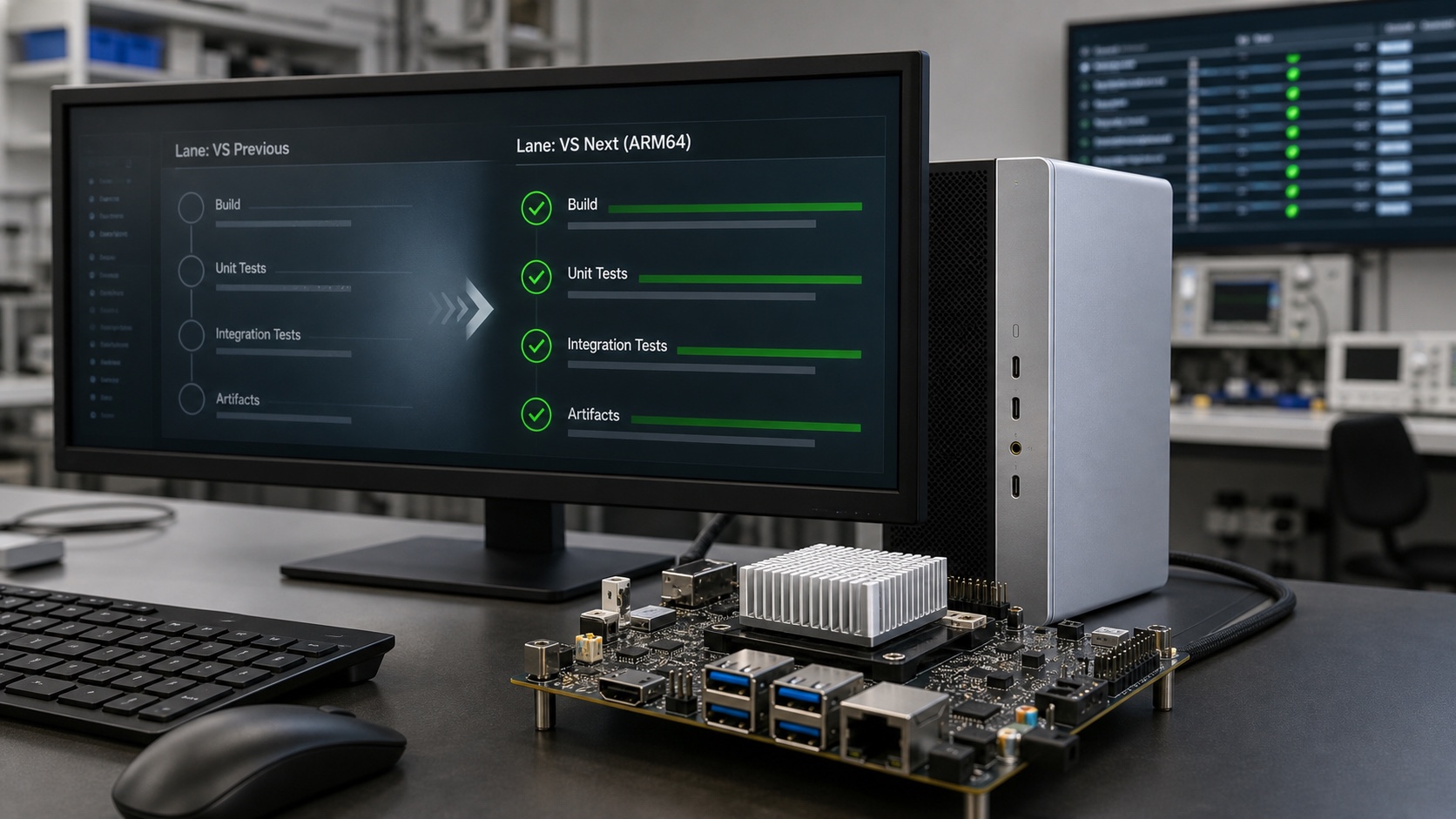
The Windows 11 ARM64 image with Visual Studio 2026 is available. Automatic migration may break workflows tied to VS 2022.

Rust 1.97 enables v0 mangling, surfaces linker messages and rejects warnings without needlessly invalidating build caches.

Visio-Display combines multi-screen delivery, content creation, Linux kiosks and monitoring in an open-source self-hosted platform.

MCP's new stateless foundation simplifies load balancing, serverless and failover, while requiring a controlled migration.

The Agent Plugins 1.0 standard packages skills, MCP servers and configuration for reuse across compatible development agents.

TCPRoute and UDPRoute move to v1 while experimental APIs get a separate group. Impact and migration plan for Kubernetes platforms.

From August 26, unconfigured Copilot models inherit a global policy. Here is how organizations can prevent uncontrolled enablement.

Limited accounts, registration APIs and an advanced install flow arrive as Android developer verification prepares for its first enforcement phase.

Copilot on GitHub.com now displays spending per message and session. How to read the indicators, set a budget and avoid needlessly expensive sessions.

WebMCP lets websites expose structured actions to AI agents. API design, the Chrome 149 trial, use cases, security risks and a practical test plan.

The /security-review command analyzes changes in GitHub Copilot. Its scope, limits and a practical method for reliable DevSecOps integration.

GitLab Duo CLI is generally available with GitLab 19.2. Installation, interactive and headless modes, security: how to test it safely.

Immutable images, secrets, healthchecks, networks, migrations and rollback: a complete method for operating Docker Compose on one server.

Tasks, metrics, security, costs and decision gates: a reproducible framework for comparing AI coding assistants on a real repository.

The playground, catalog, inference API and BYOK disappear on July 30. Teams should treat the shutdown as a genuine platform migration.

Atlassian is tracking AI use more closely while GitHub documents premium-request billing: tokens are becoming something engineering leaders manage.

GitHub Copilot browser tools in VS Code are broadly available. For frontend teams, the real value is the edit, observe and correct loop.

A useful technical watch fits into a short routine: fewer sources, explicit filters, a searchable archive and decisions that lead to action.

The Node.js calendar is moving toward an annual cadence from Node 27. Teams that only follow LTS should update their monitoring.

TypeScript keeps improving developer experience. Teams mainly need to align configuration, bundler and runtime.

Editorial sites need to be fast, easy to publish and flexible enough for interaction. Nuxt fits that compromise well.

React 19 stabilized several server-side building blocks. Teams need to decide where data, rendering and interactivity belong.

The Rust 2024 edition shows how the language evolves without abruptly breaking the ecosystem. It is a lesson for backend migrations.

Every API changes. Maturity appears in how teams warn, measure and support breaking changes.

An unstable test harms more than pipeline duration. It slowly destroys trust in quality signals.

Putting projects together is not enough. Without cache, ownership and conventions, the monorepo slows everyone down.

Tokens structure colors, spacing and typography. Their real value comes from governance, not the JSON file.

AI accelerates code writing, but shifts effort toward validation, tests and understanding side effects.