

Building a useful AI product: UX, trust, cost and adoption
A product method for choosing the right problem, designing for uncertainty, measuring adoption and deciding whether to buy, integrate or build.
productaiuxtrustadoption
Category
Strategy, UX, adoption, pricing and organizational impact.
This section examines how technology becomes a product that people use and fund. UX, adoption, pricing, support and strategy are assessed through their effects on users and organisations.
Reference guide
A product method for choosing the right problem, designing for uncertainty, measuring adoption and deciding whether to buy, integrate or build.

Meta introduces 100-gram VR glasses designed for cinema, immersive sports and work without the bulk of a conventional headset.

Google is expanding Merchant Center, AI Mode and Gemini to improve product context and let retailers track visibility in AI answers.
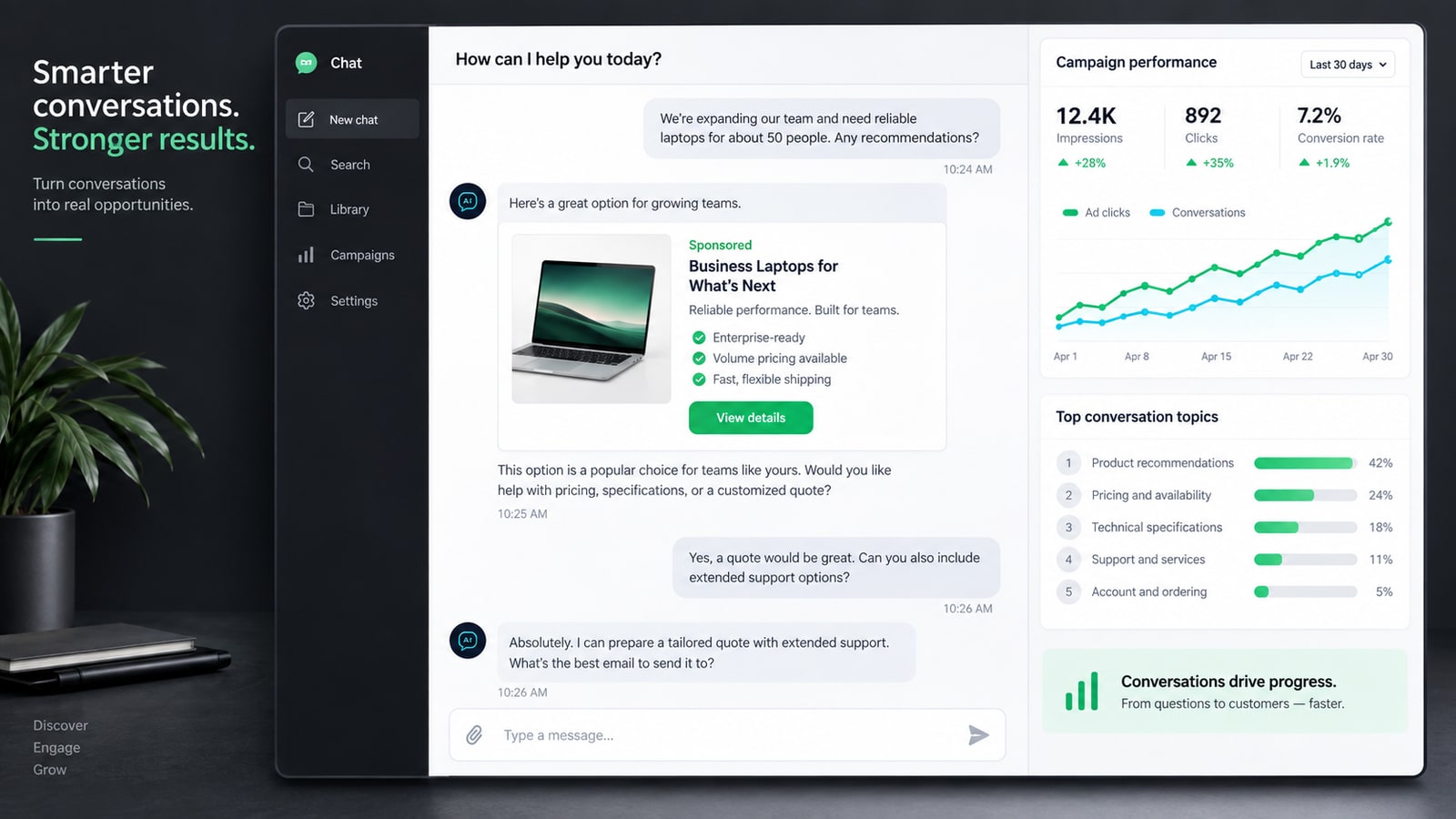
ChatGPT ads can open a conversation with a brand agent, while HubSpot and Shopify join the advertising platform.
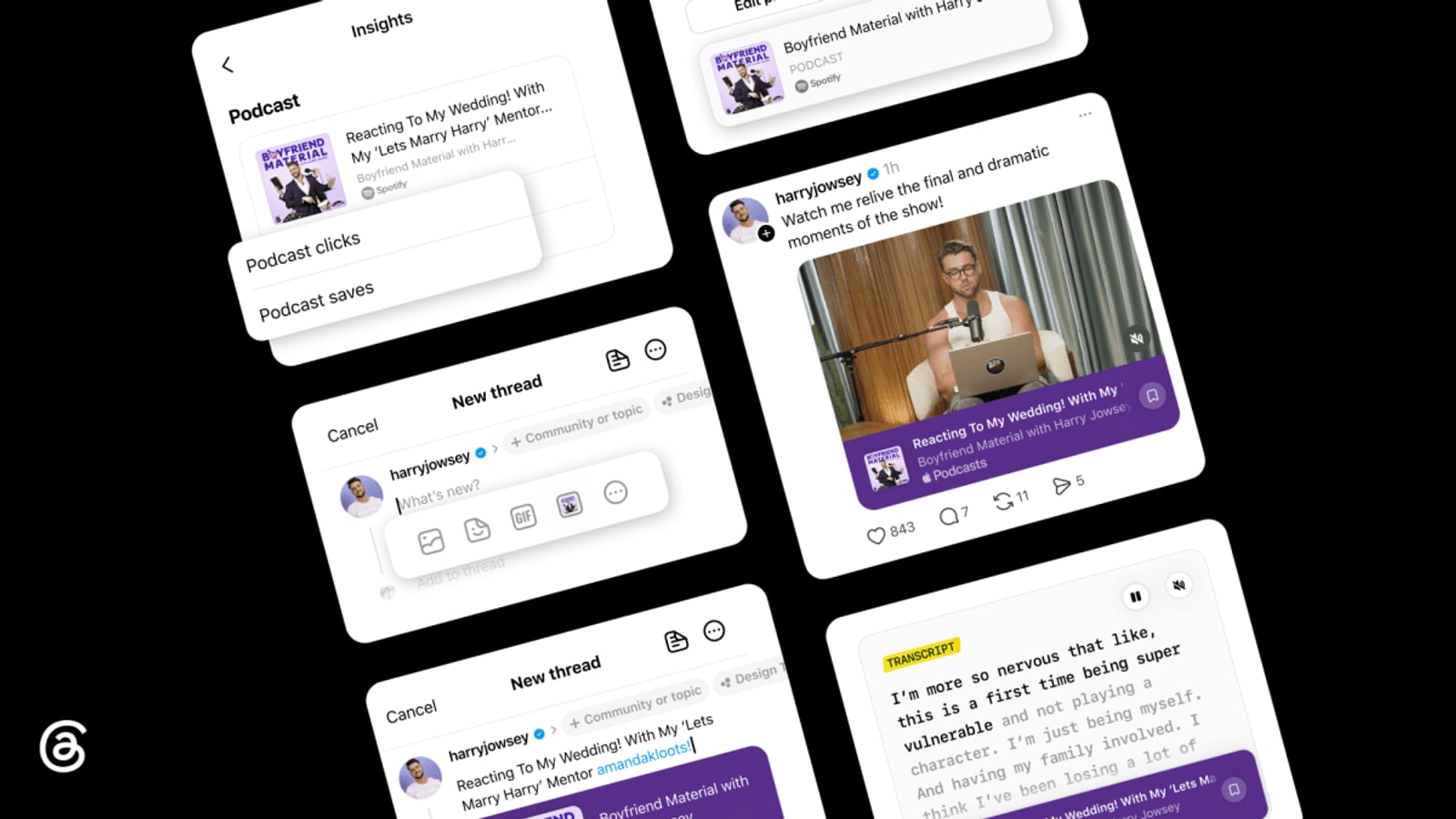
Meta wants Threads to host discussion around episodes, with new features for both creators and listeners.

Available on iPhone, iPad and Android, Miam synchronizes one household list, keeps history and now includes dark mode.

The One UI 9 rollout brings new Galaxy experiences and AI features, with availability staged by model and market.

Meta’s new subscription promises more AI and creation tools across several apps, with options for consumers and professionals.
The fitness tracker adds personal records, activity streaks, inactivity reminders and shareable cards for strength, cardio and nutrition.

Google updates VIP widgets, Gboard warnings, scam detection and several Pixel Watch gestures.

Apple is rolling out iOS 27, iPadOS 27, macOS 27 and watchOS 27 with Siri AI, parental controls and performance improvements.

Version 2.0 adds an optional passwordless account and private synchronization while preserving local and offline use.
Google is distributing new features across Gmail, Keep, Docs, Sheets, Photos, Chrome and Gemini depending on plan.

Samsung is linking TVs and appliances through Vision AI Companion, Bixby and SmartThings for contextual assistance.

Microsoft is speeding up parental approvals, expanding activity reports and fixing child wallet balances in Family Safety.
The Gemini app for Windows 10 and 11 opens with Alt + Space, connects to Google services and creates text, images or video.

Sony is launching Live TV on PS5 with more than one hundred ad-supported channels, initially available in the United States through the Media tab.
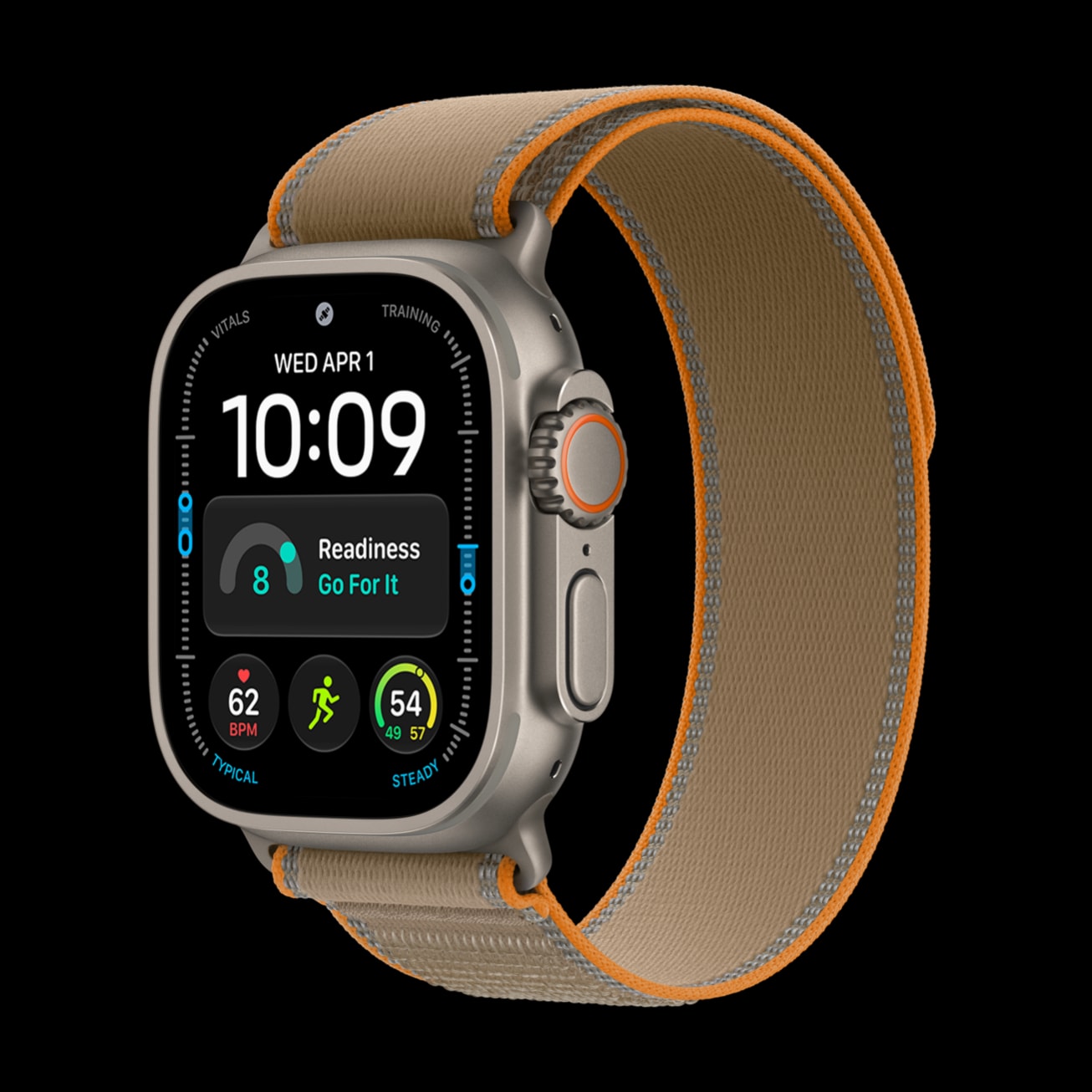
Apple Watch Ultra 4 adds Series 12 health tracking and extends GPS battery life for long outings. Here are its changes, price and limits.
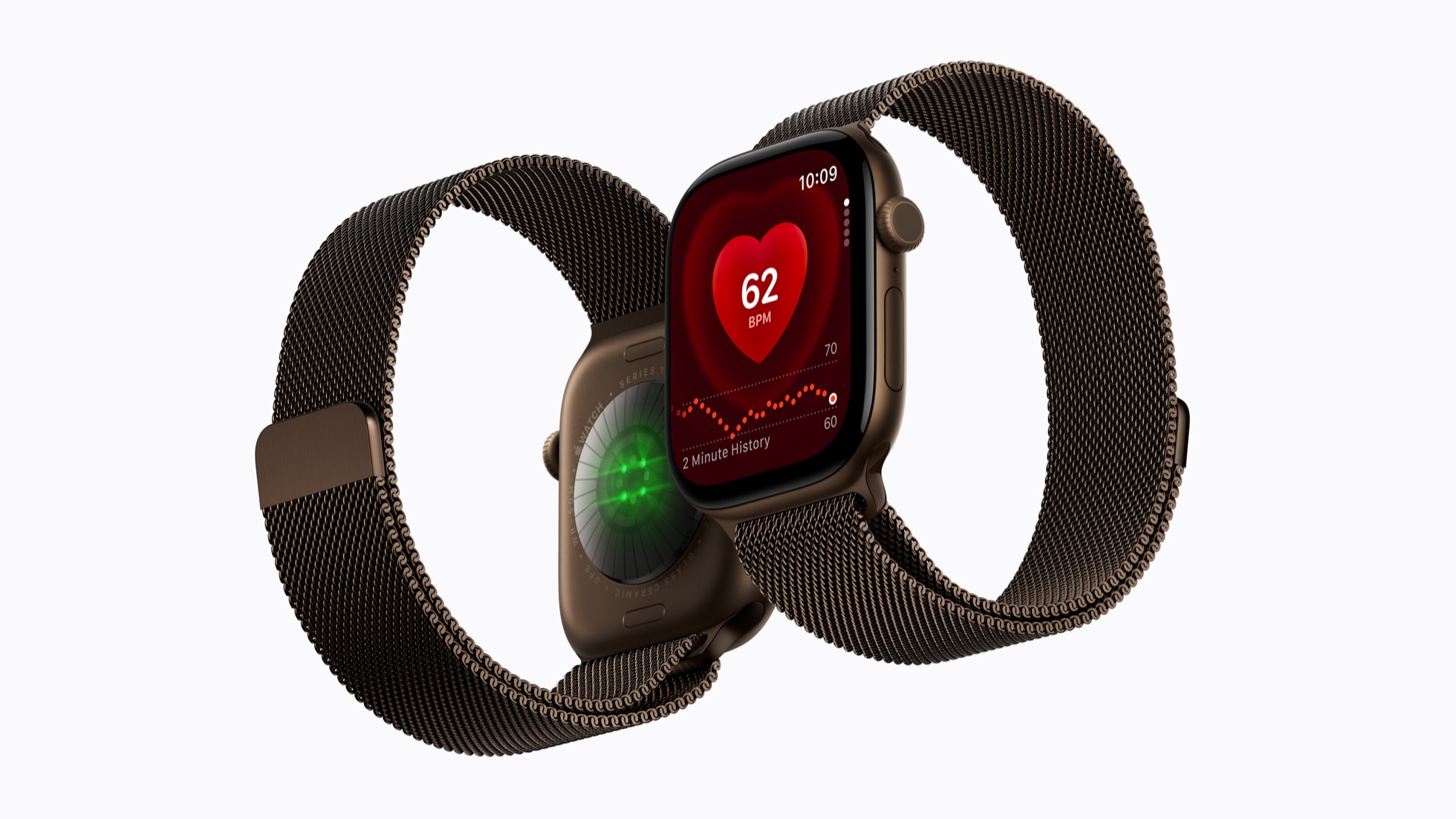
Series 12 samples heart rate more often and introduces a readiness score. Here is what Apple's new watch changes in practice.

AirPods 5 bring active noise cancellation to both open-ear models and add new Siri features. Here are the differences and French pricing.
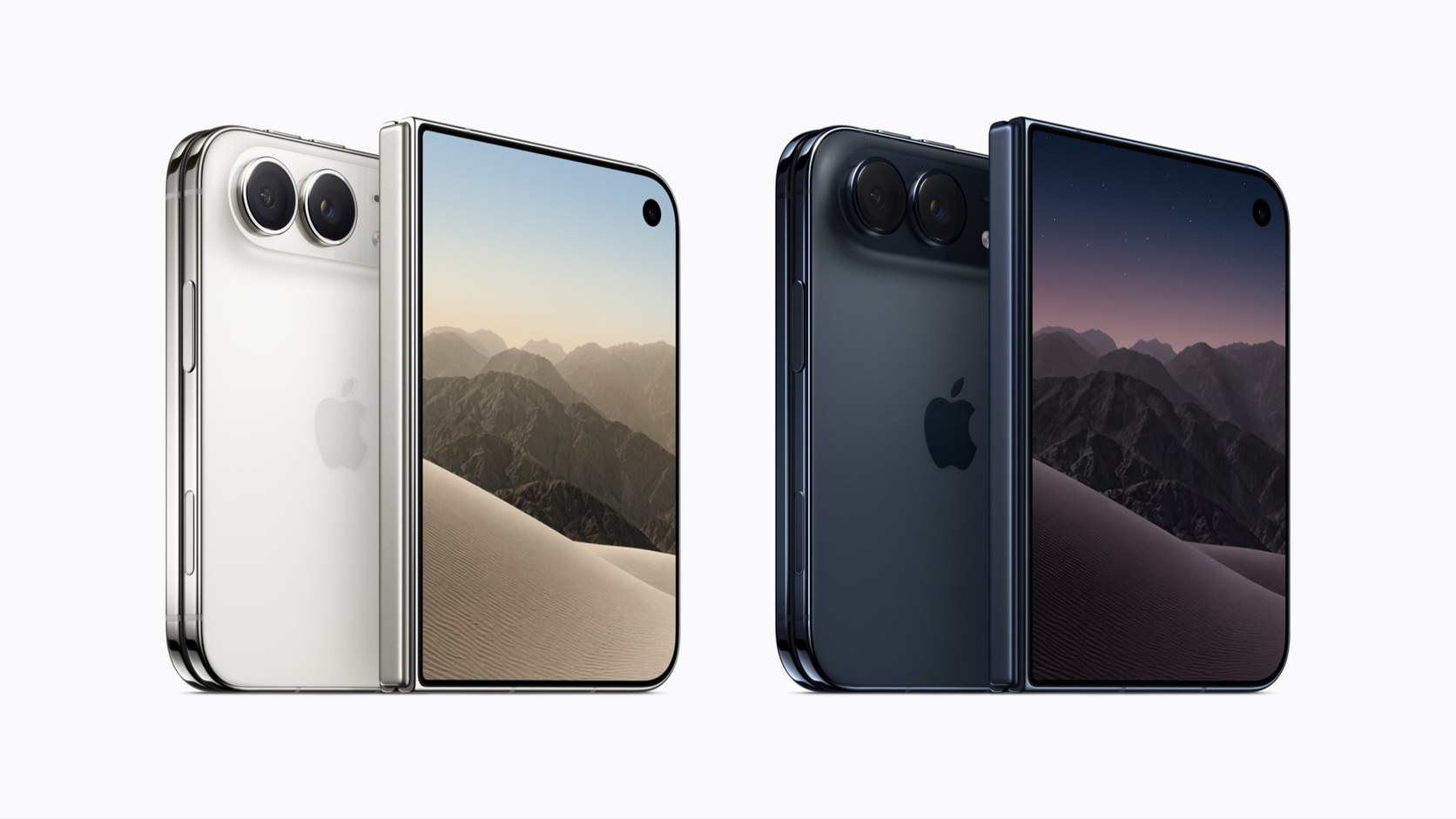
Apple's first foldable iPhone combines two displays, A20 Pro and iOS 27.1. Here are its French price, use cases, battery life and compromises.
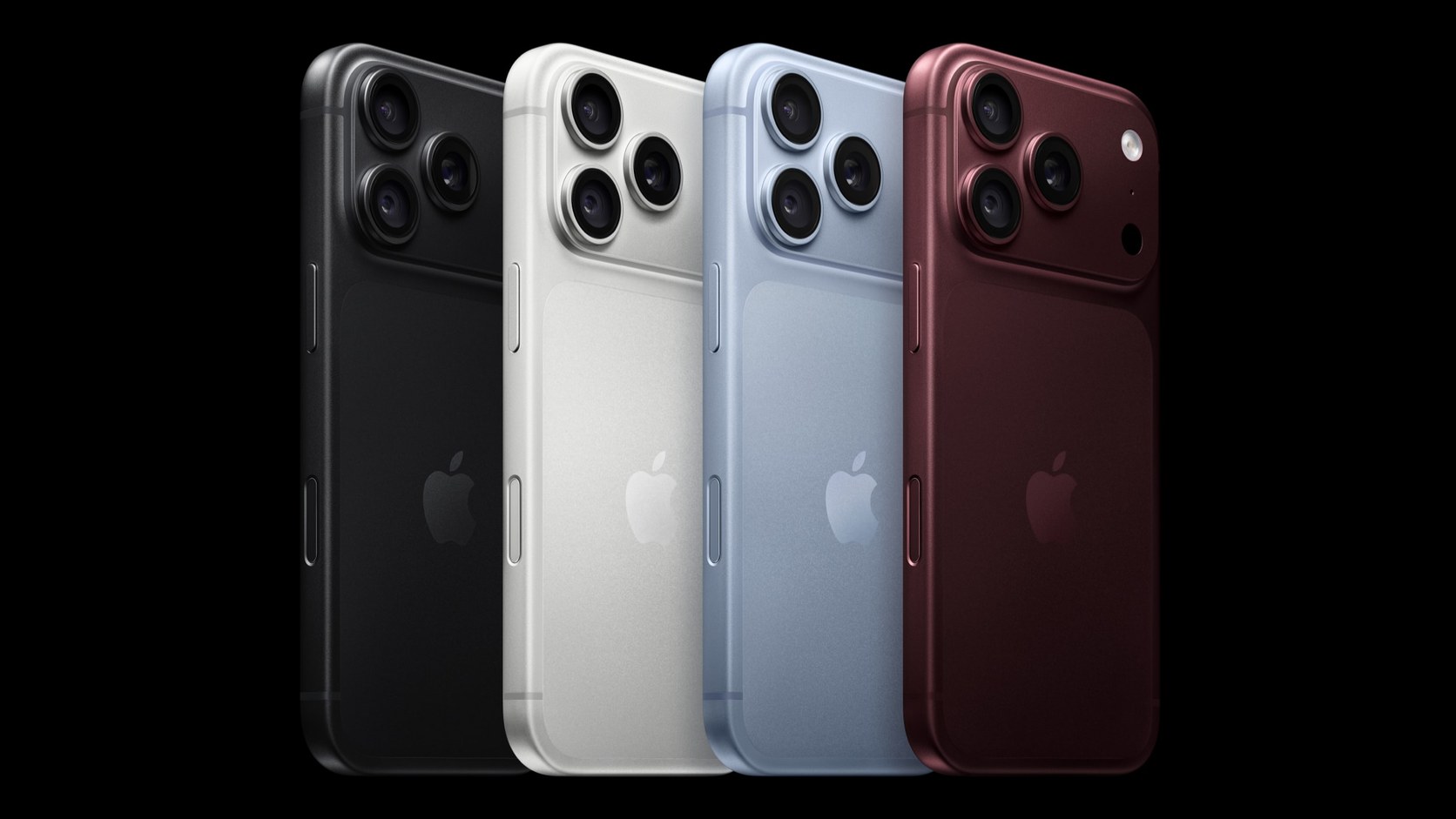
The iPhone 18 Pro lineup adds A20 Pro, a 48MP variable-aperture camera and redesigned vapor chamber. Here is what may or may not justify prices starting at EUR 1,479.

Microsoft is testing a conversion that keeps the disc usable while unlocking Play Anywhere and cloud gaming for supported titles.
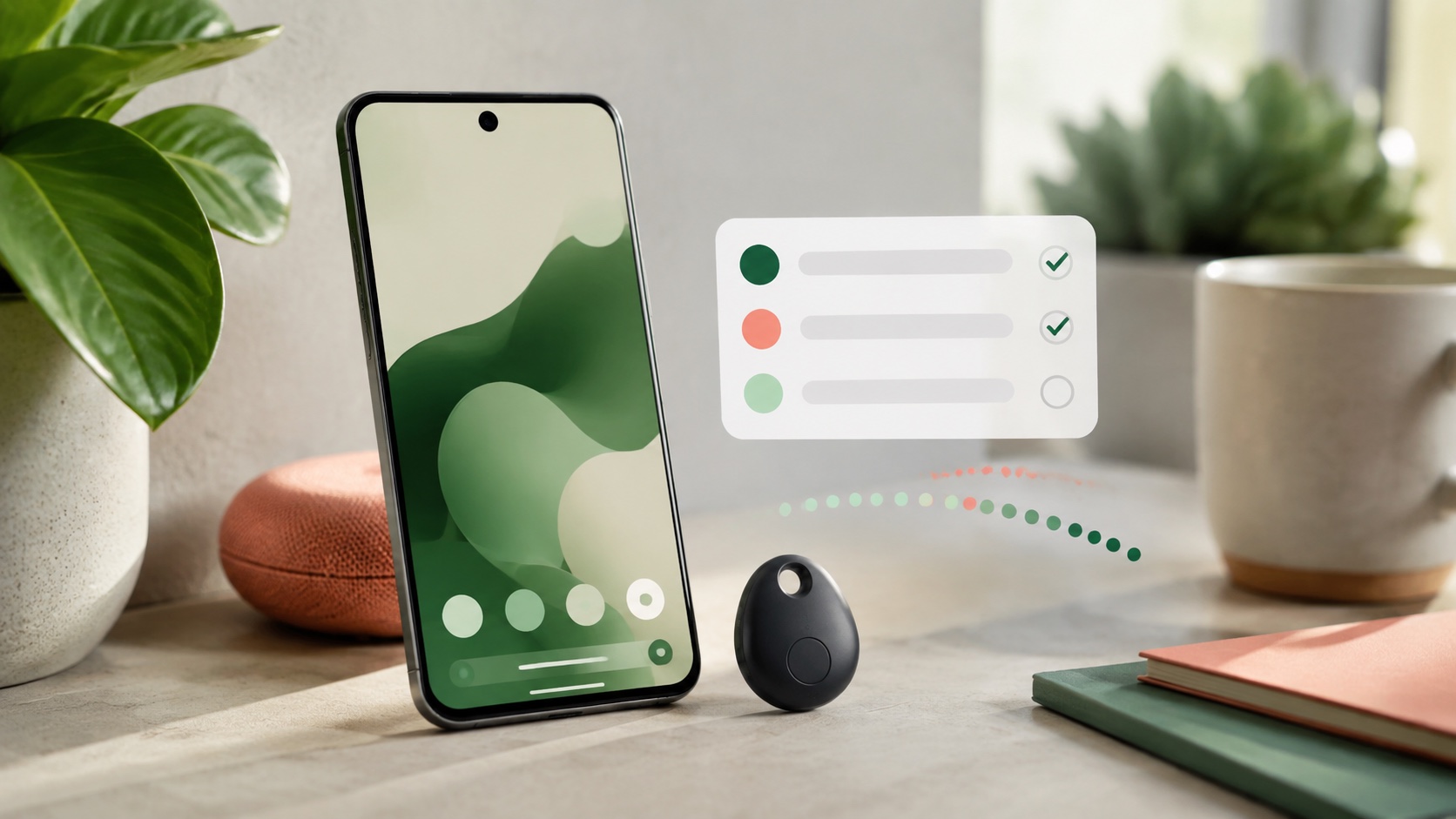
Google is rolling out Gemini in Find Hub, Motion Assist, Guided Vision, Keep notes in Messages and new Android themes.

Sniper Elite: Resistance, MLB The Show 26, Wobbly Life and Chained Echoes join the PlayStation Plus monthly lineup.
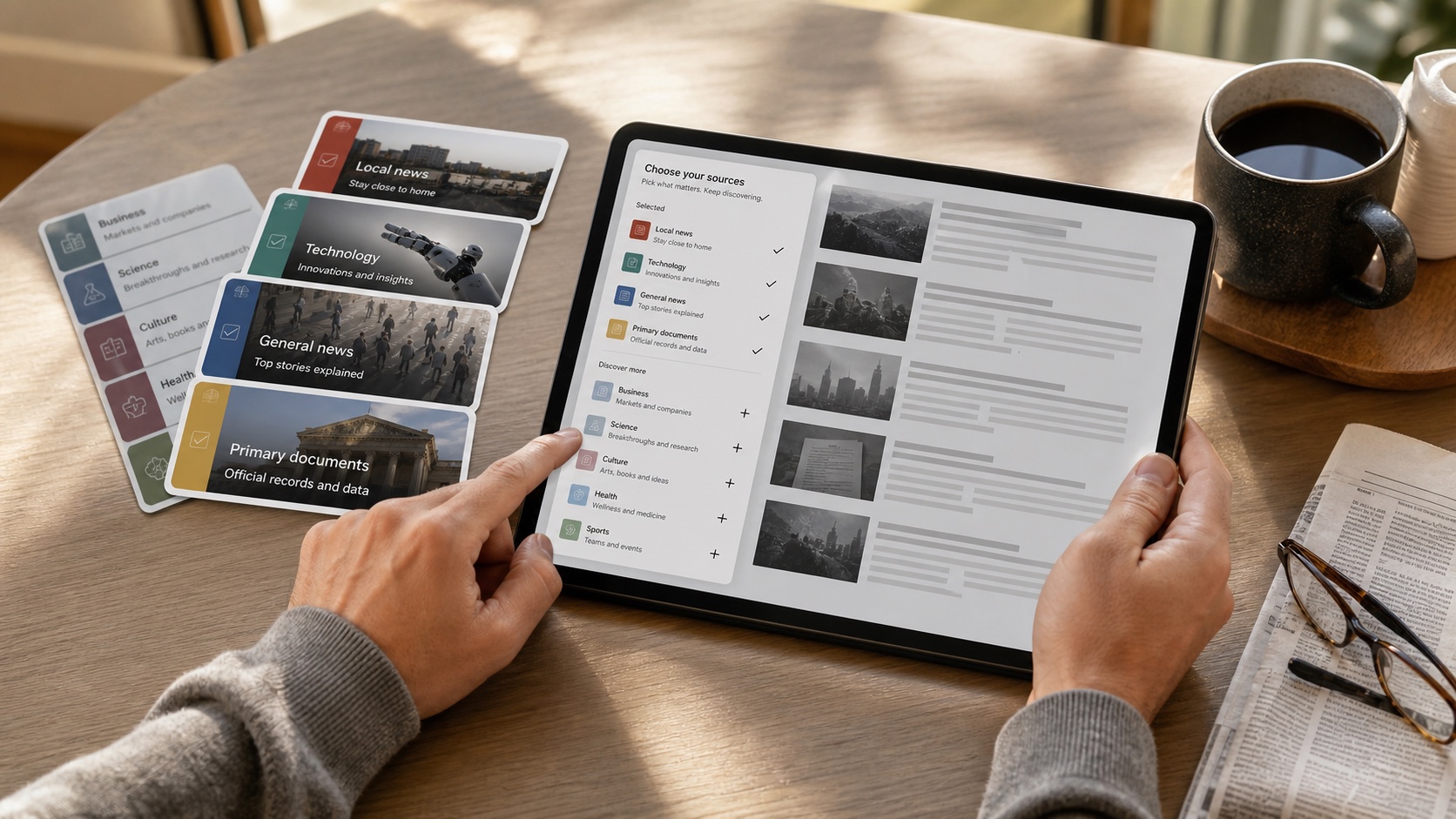
Google adds favorite publishers, custom interests and audio briefings. Here is how to gain control without creating a filter bubble.

Ask Maps handles complex requests while immersive navigation shows lanes, lights and parking. Here are availability and accuracy limits.

Microsoft is raising Xbox prices and discontinuing the 2TB model. Here is how new, used and PC alternatives compare.

WhatsApp is opening username reservations ahead of launch. Here is how optional keys, discovery and privacy limits will work.

Spotify builds a running soundtrack around pace, duration and workout type. Here is how personalization, availability and limits compare.

Apple and Klarna launch a US device lease with upgrades. Entry prices, returns, buyouts and what international buyers should know.
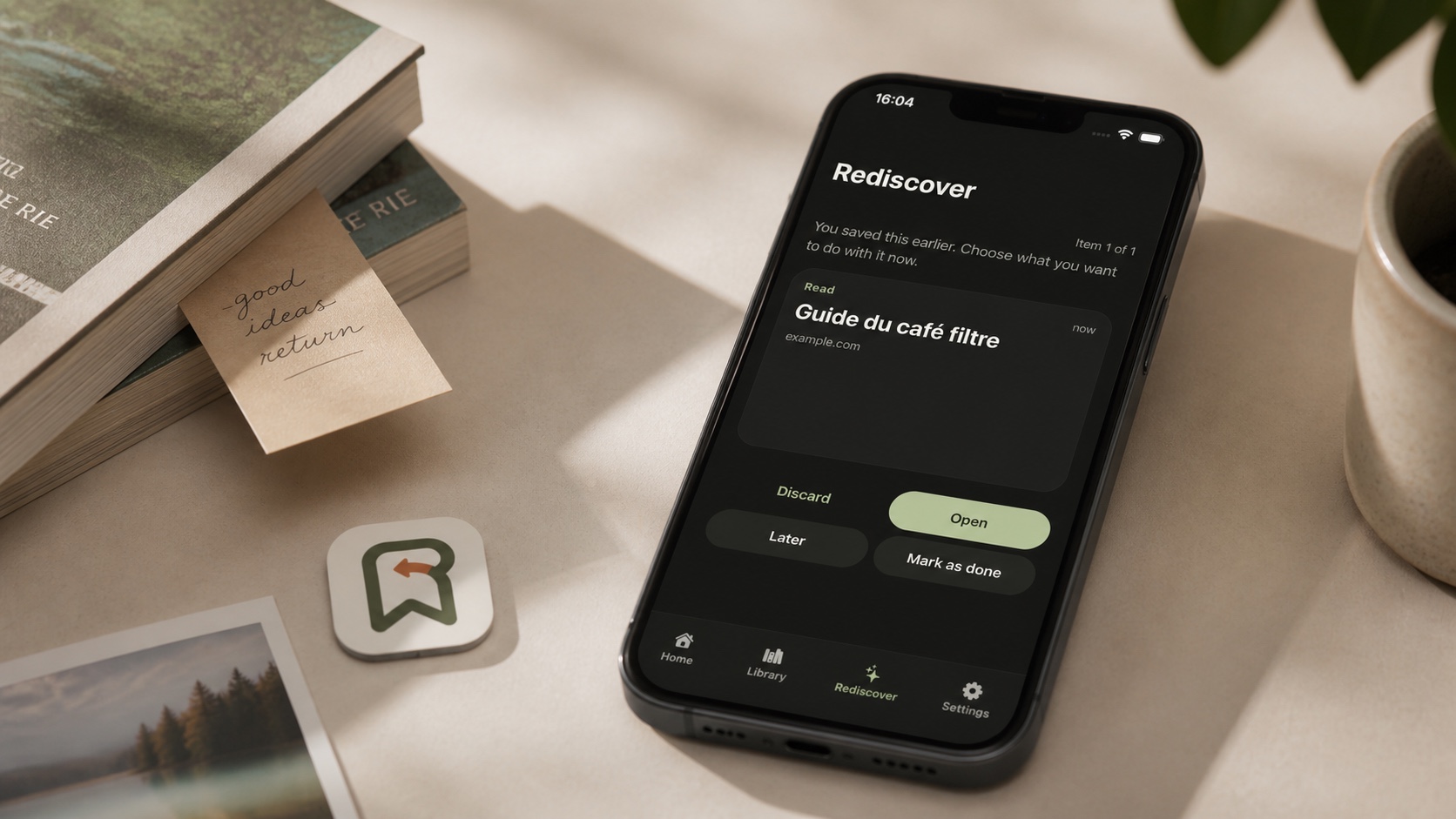
Backori saves links, text and images on the device, then resurfaces them later. Here is how it works, its privacy model and V1 limits.

OpenAI launches a 13-17 experience with Study Mode, responsible homework reminders, parental controls and safeguards enabled by default.

Google is redesigning Android Auto with immersive navigation, parked video and a more proactive assistant. Compatibility and safety explained.

Google uses an encrypted device-to-device check to spot contact impersonation. Compatibility, privacy and the system's limits explained.
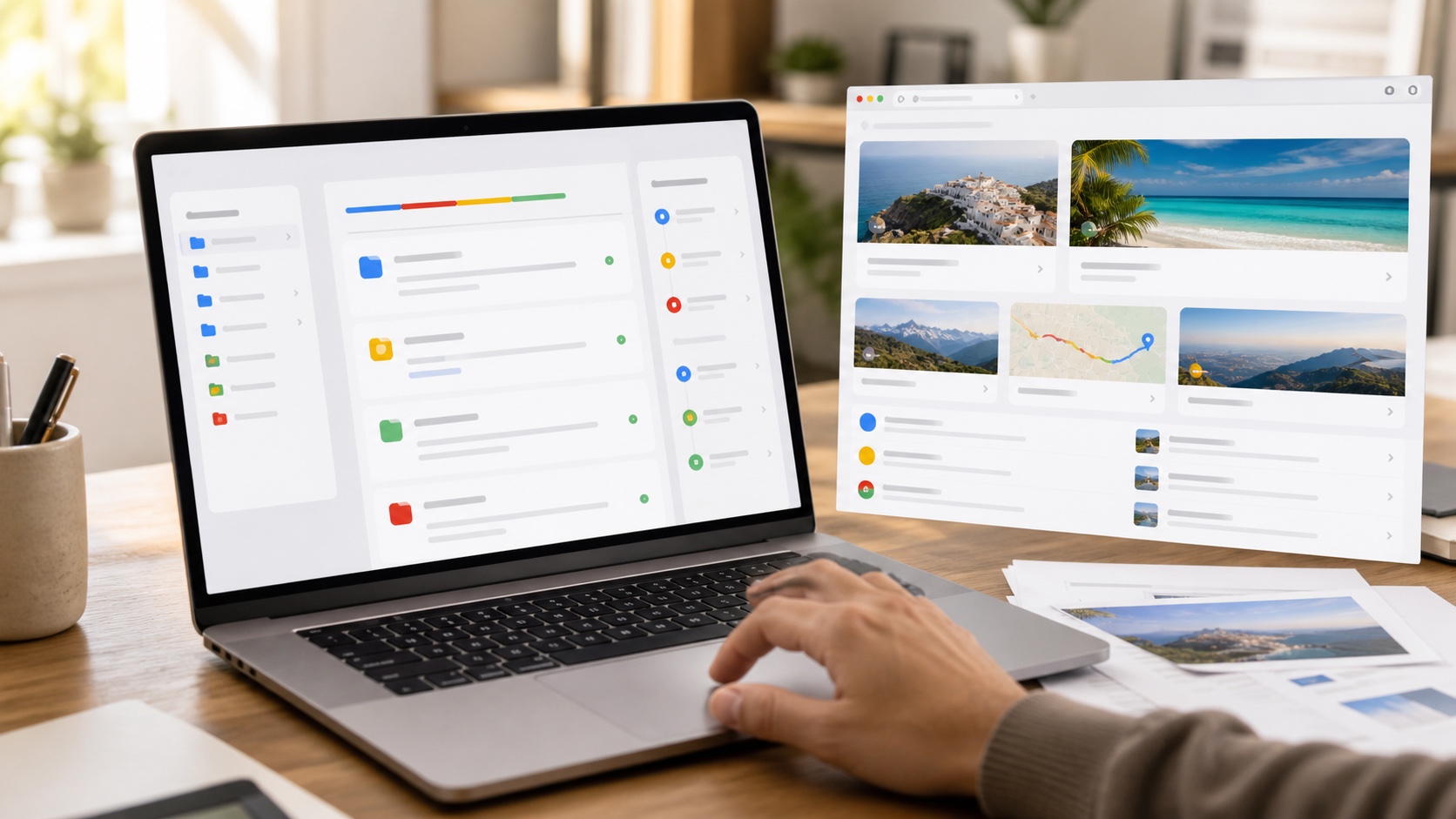
Mac files, connected accounts, Chrome browsing and remote tasks: what Gemini Spark can automate and the limits users need to understand.
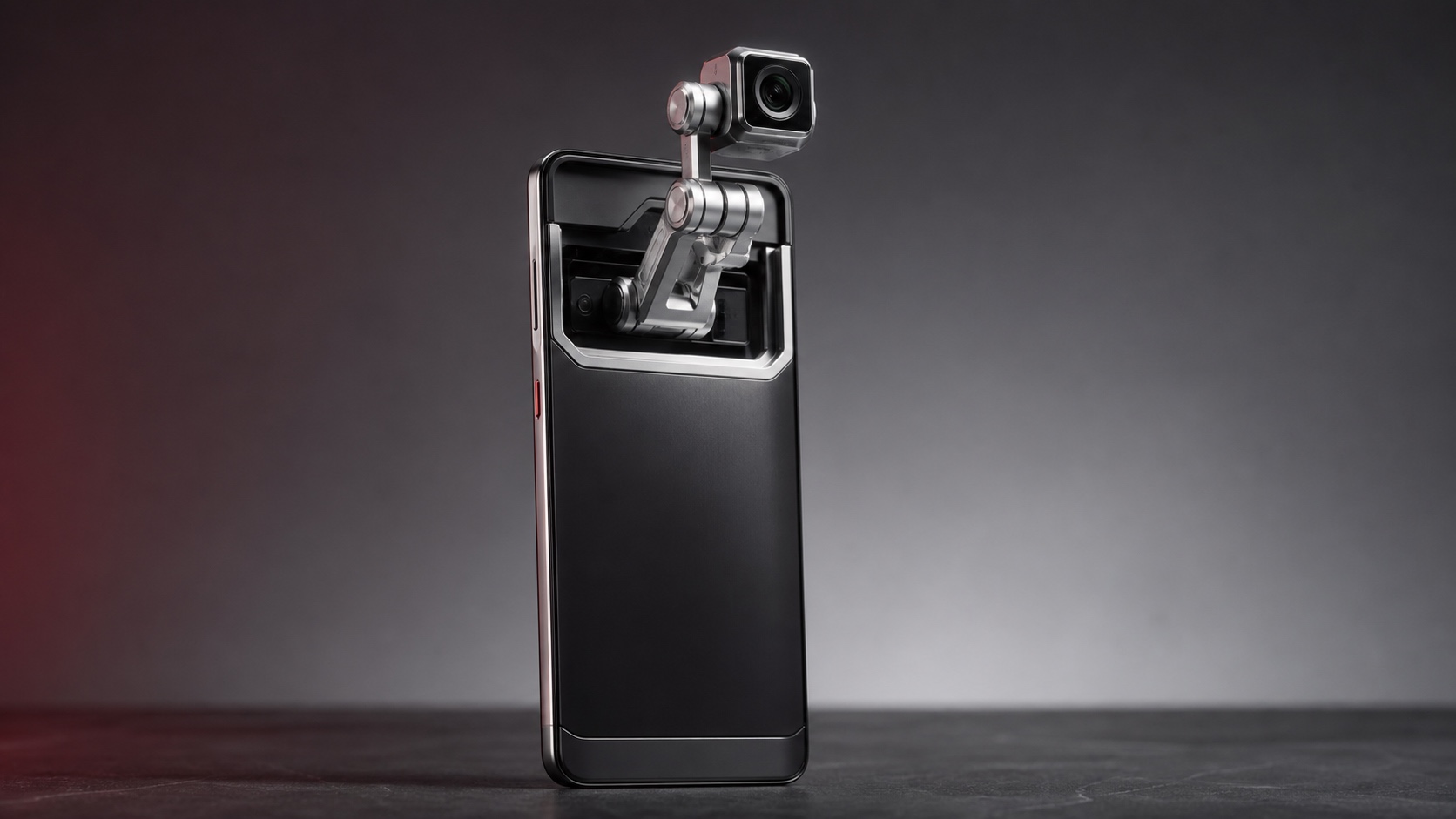
Motorized gimbal camera, dual 200MP sensors, YOYO AI, price and availability: what HONOR's first Robot Phone actually changes.
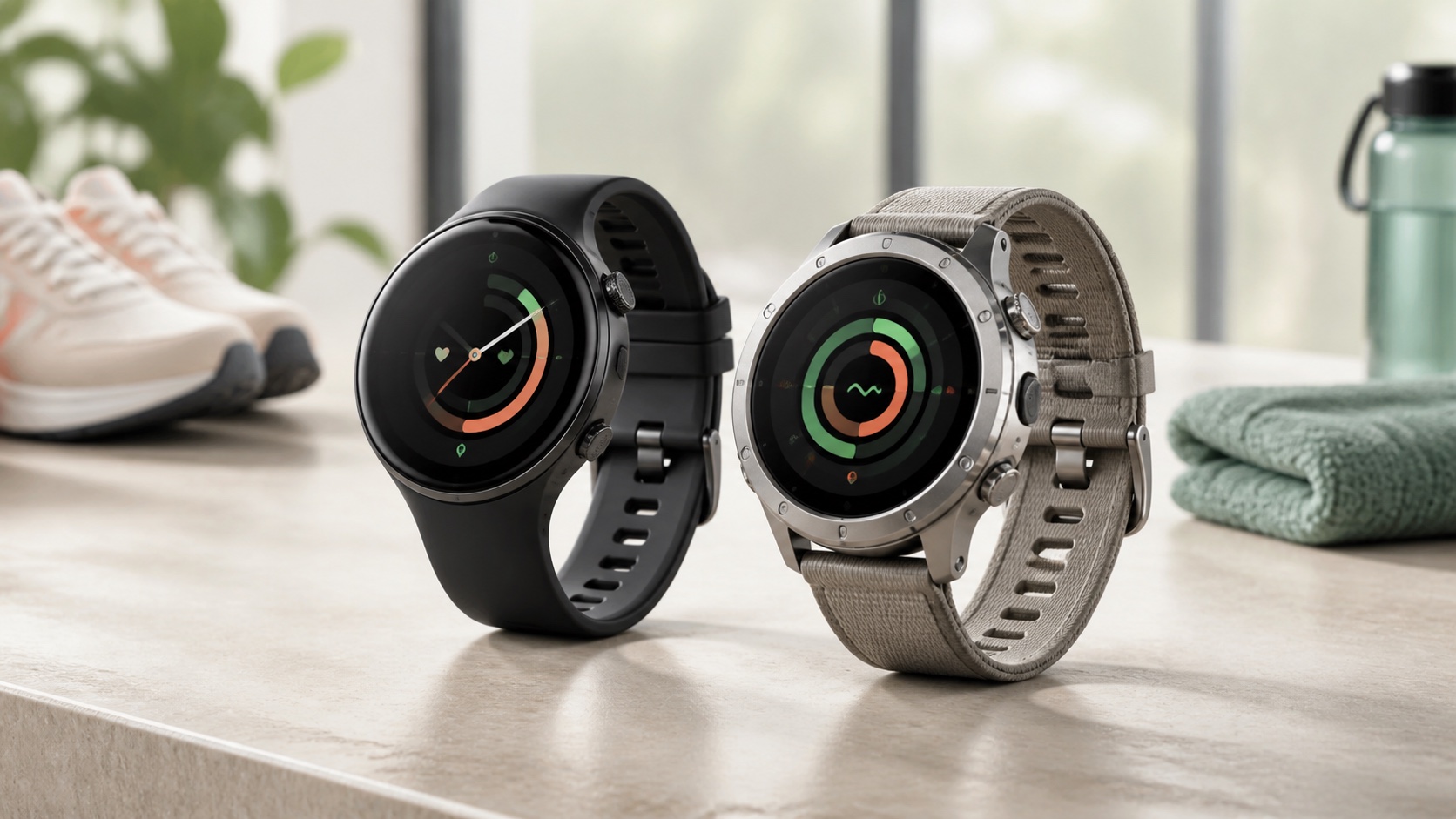
Sleep, heart health, recovery, battery life and medical limits: what to check before buying Samsung's new Galaxy Watch9.

H2, improved noise cancellation, Adaptive Audio and live translation: a practical guide to deciding whether AirPods Max 2 justify their price.

Pixel 11, Pro, Pro XL or Pro Fold: prices, cameras, AI and updates explained. A practical guide to choosing without paying for unused extras.

Google has unveiled Pixel Tag, a $29 Find Hub tracker compatible with Android 9 and later. Here is how it works and what remains unknown.
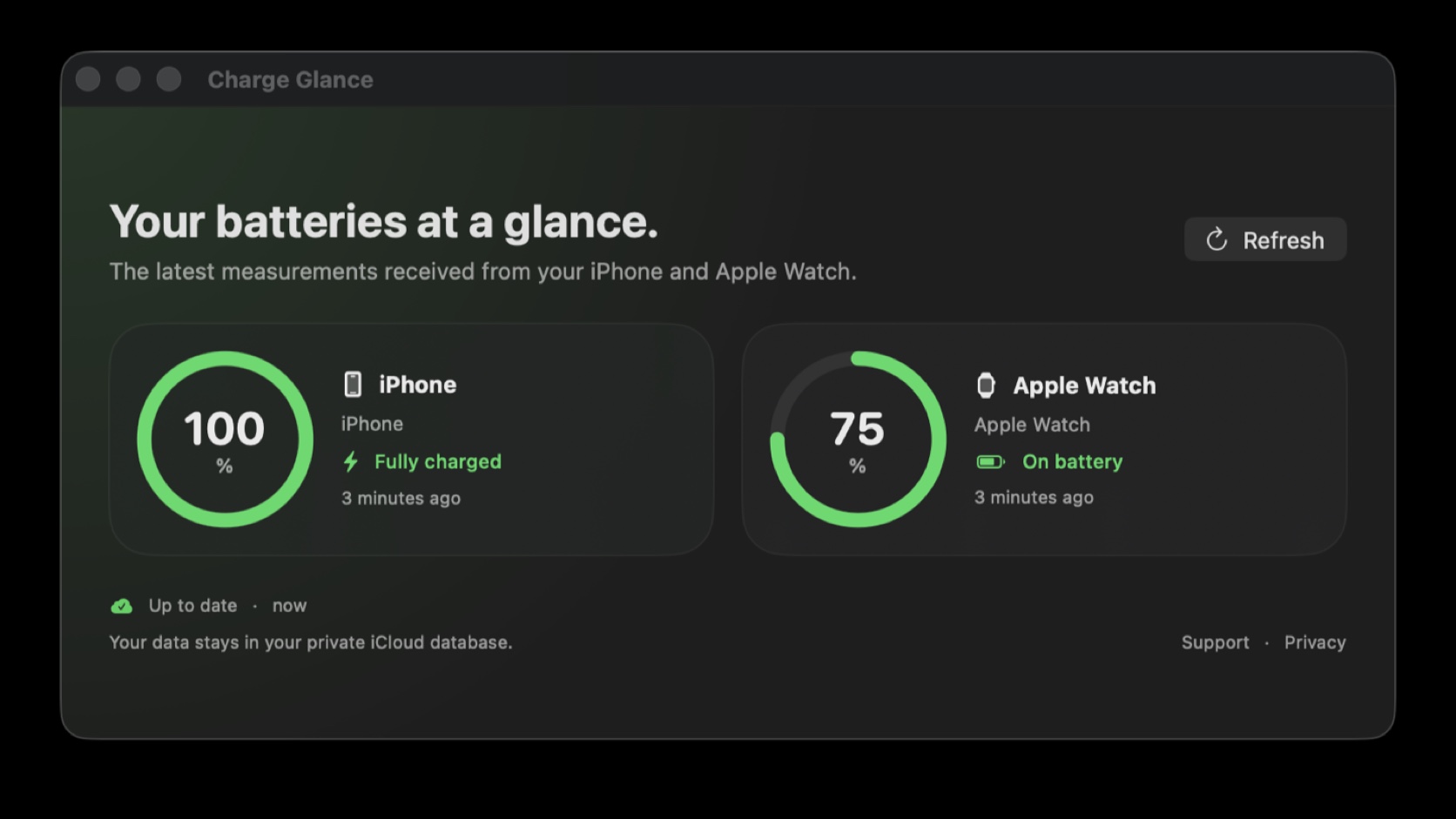
Free app Charge Glance gathers Apple device battery levels on macOS. Setup, privacy, everyday uses and limitations explained.

Instagram adds unedited photo sharing for close friends. How it works, privacy limits and protections for teenagers.

Spotify now lets parents in France create a separate child account without Premium Family. Setup, controls and limitations explained.

Netflix is updating its mobile experience in France with streamlined navigation and a vertical Clips feed. What is changing and what users should know.
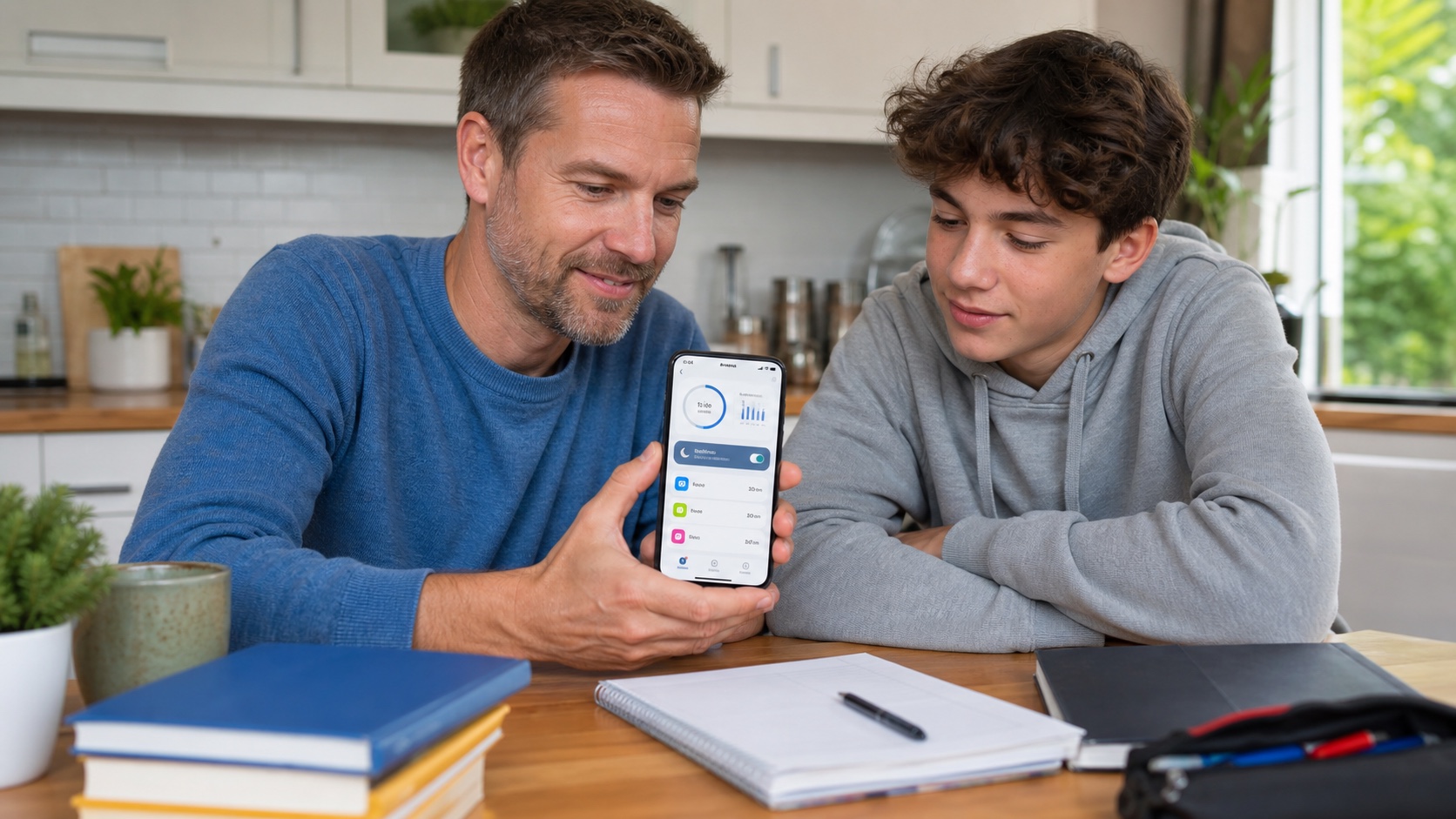
Android 17 adds daily limits, downtime and app blocking to Settings. How it works, how it differs from Family Link and practical setup advice.

WhatsApp adds direct iPad registration alongside richer CarPlay, Android Auto, PDF and music Status features. Here are the uses and limits.

Google will unveil the Pixel 11 on August 12. Here is what is confirmed and what buyers should verify before preordering the new phone.

France's digital ID card is accepted at boarding in French airports. Here is where it works, where it does not, and what travelers should still carry.

Spotify is testing a voice interface that can refine a listening session, explain a track and explore music history. Here is what it actually changes.
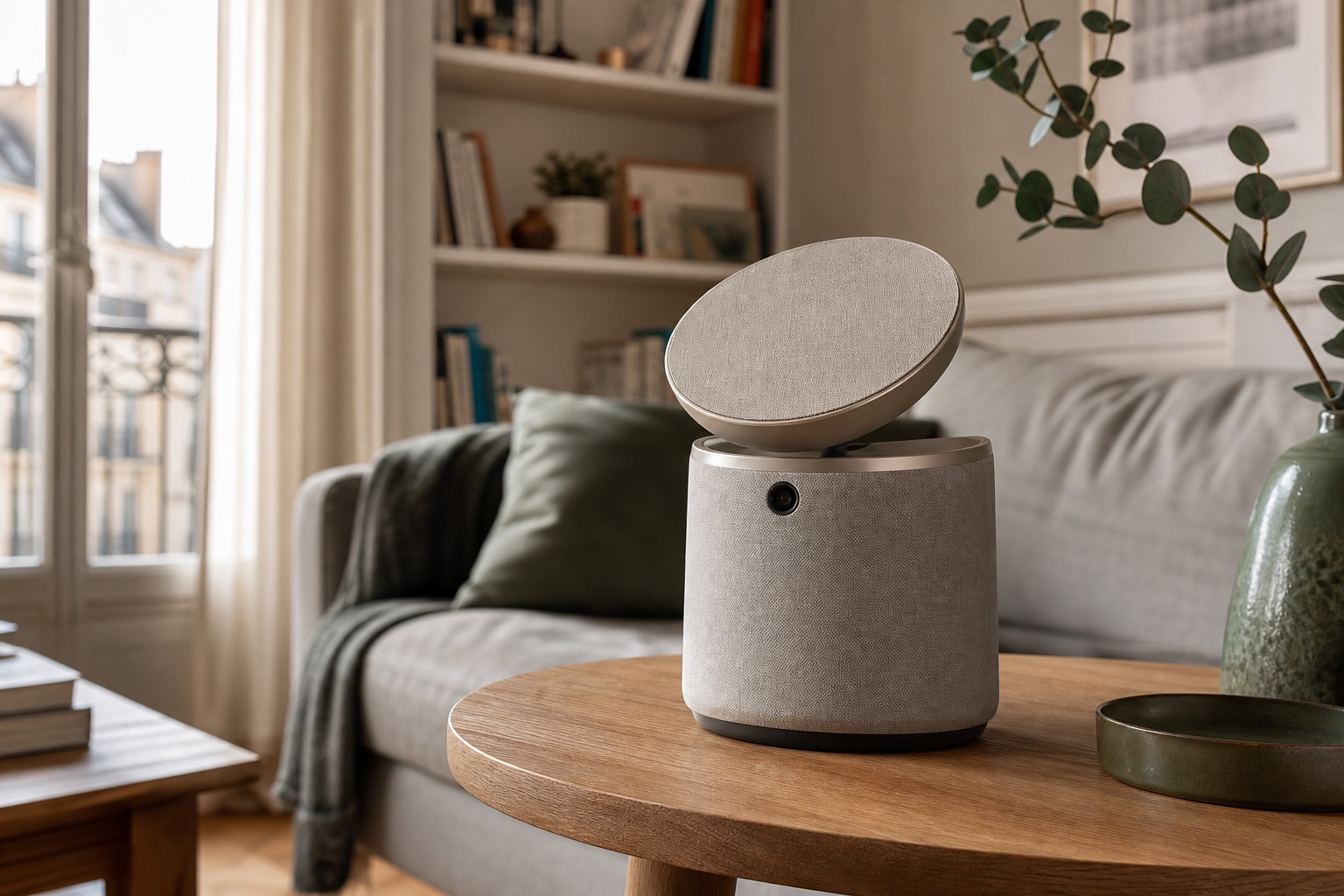
OpenAI is reportedly building a mobile, voice-first home device with Jony Ive. Beyond the curiosity, the project raises very practical questions.

Samsung is no longer launching a single showcase foldable but three devices for distinct uses. Here is what that strategy changes for buyers.
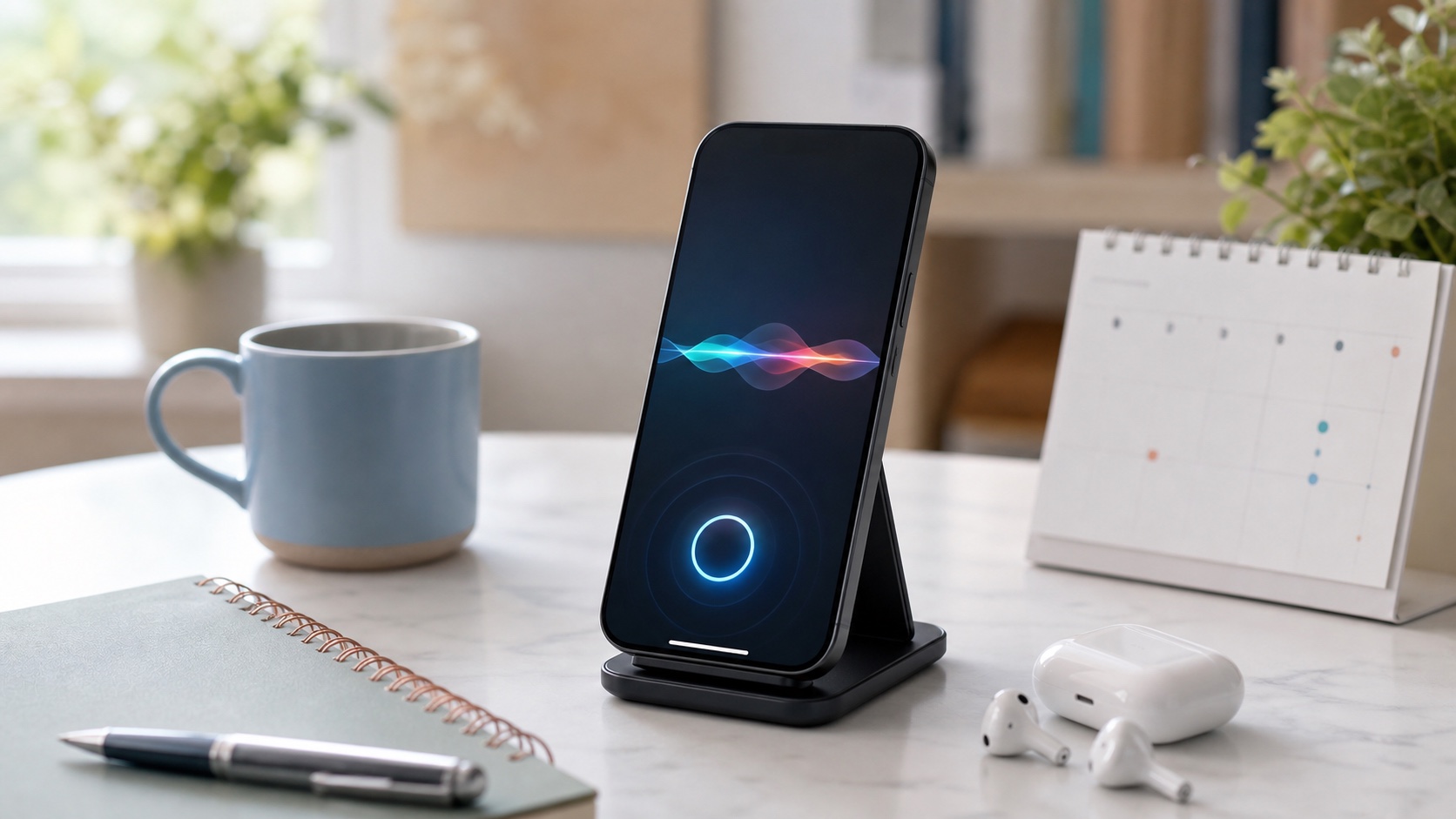
With the iOS 27 public beta, Apple is opening its rebuilt Siri to more users and asking a simple question: can AI become truly everyday?
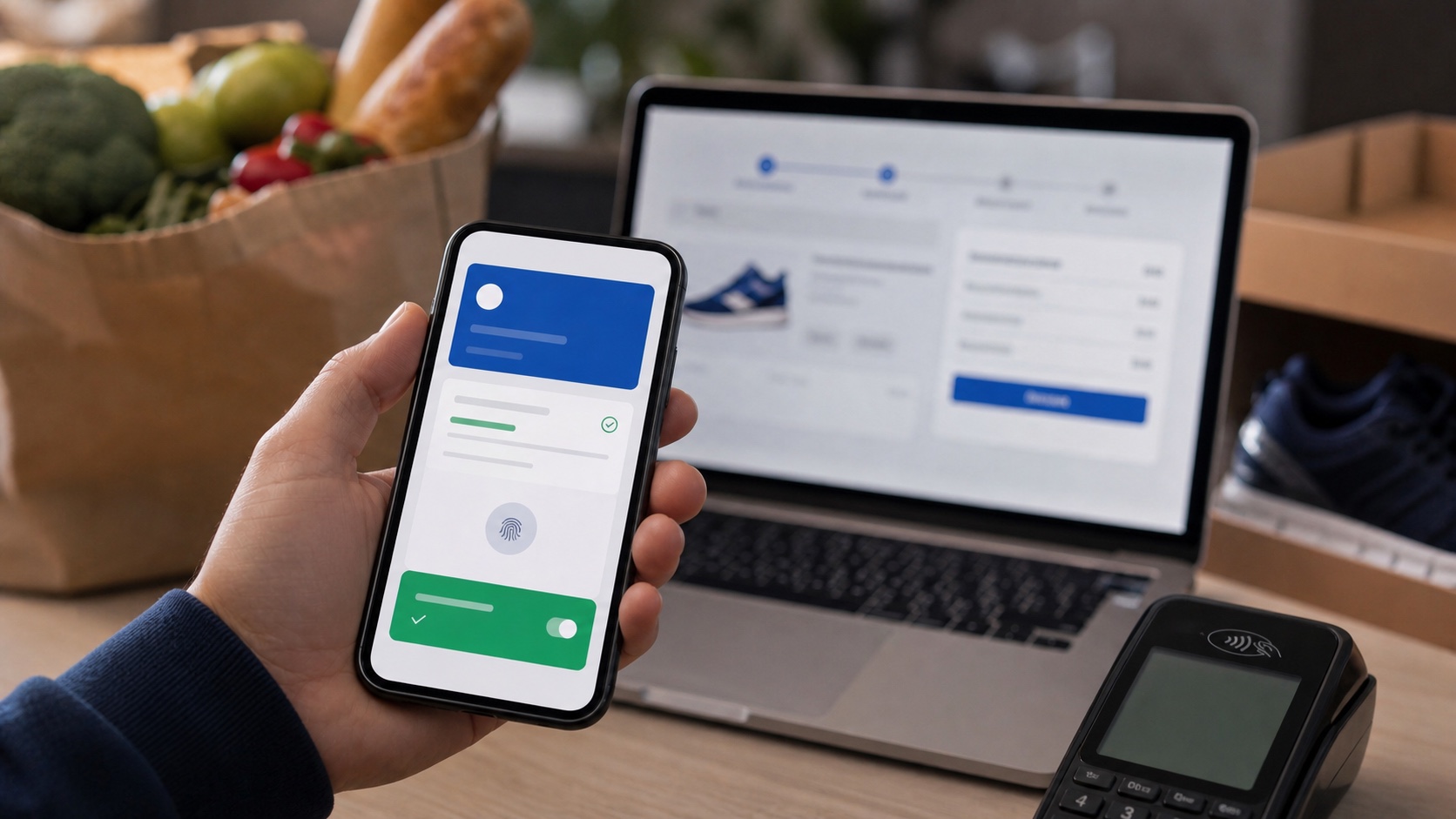
With Decathlon and Lidl in Germany, Wero is moving beyond bank messaging and into the real test: becoming a daily checkout habit.

X is launching a financial service with transfers, a Visa card and advertised yield. The idea is mainstream, but trust remains the real test.

AppleCare One covers multiple Apple devices under one plan. It can be useful, but only for specific user profiles.

AI Overviews are arriving in Google Search in France. Here is how to use them without losing the habit of checking sources and comparing web links.

With AI Overviews, Google places synthetic answers above links. For publishers, search visibility is no longer only about ranking in blue links.

A synthetic answer becomes more valuable when users can understand sources, limits and next actions.

AI features have variable cost. SaaS products need a readable model between plans, credits and limits.

An AI assistant can impress quickly. The real product challenge is integrating it into the first useful action.

Feature flags decouple deployment from launch. Poorly governed, they become invisible debt.

Accessibility costs far less when integrated before final design and complete development.

Security, privacy, responsible AI and compliance are becoming commercial questions. Trust centers must remain readable.

When search and social platforms become unpredictable, newsletters recreate a direct relationship with readers.

Metrics guide decisions. Poorly chosen metrics encourage interfaces that manipulate instead of helping.

Prospects have seen enough magical demos. They want to know how AI works with their data, rules and risks.

AI requests arrive from everywhere. A solid roadmap must balance value, risk, cost and operational capacity.