
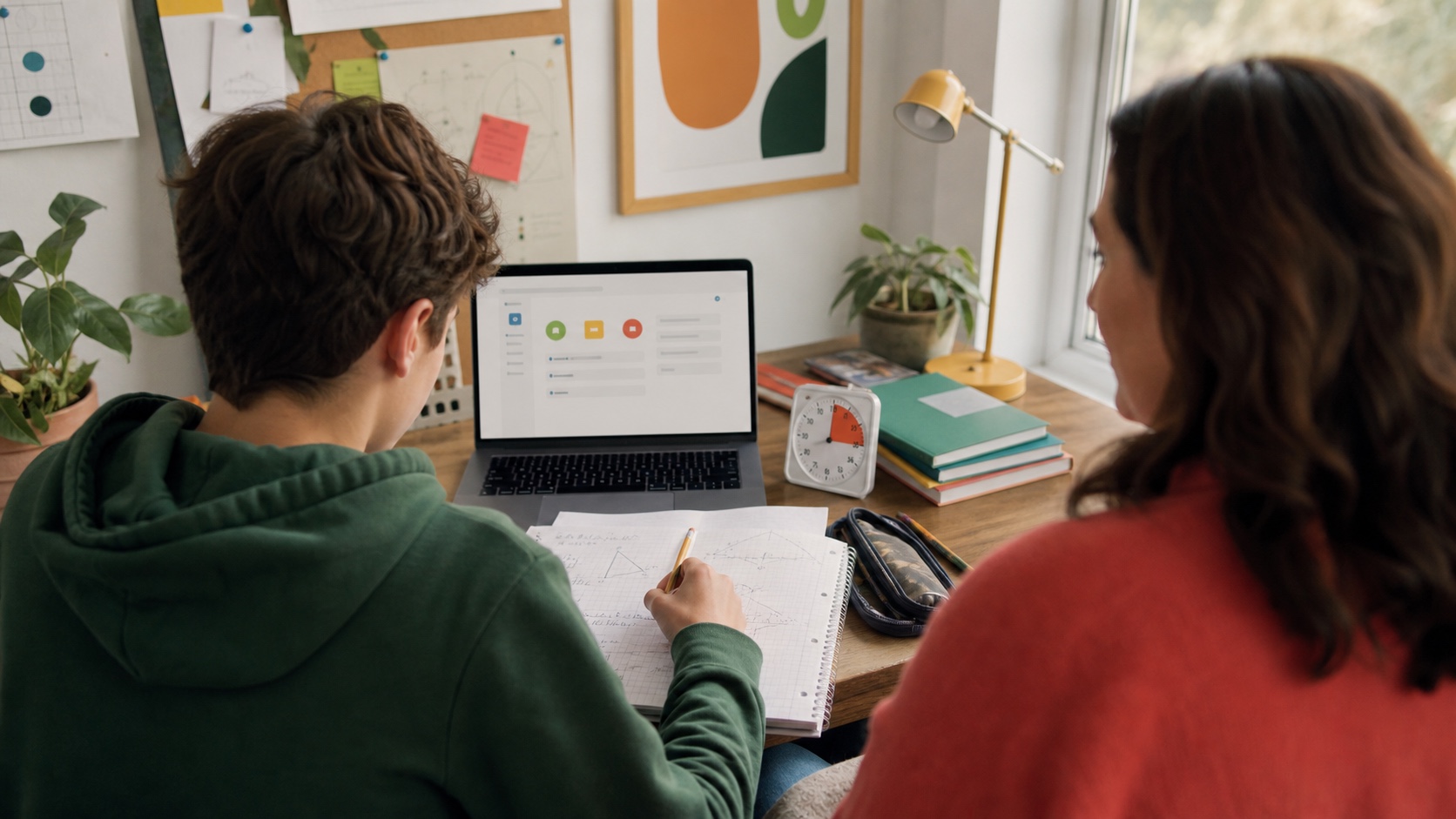
OpenAI is launching ChatGPT for Teens, an experience automatically applied when users say they are 13 to 17 or the system estimates they are under 18. The stated goal has two parts: make ChatGPT support active learning rather than distribute finished answers, and enable stronger safeguards around content and emotional relationships with AI.
Study Mode, quizzes, learning visualizations and new Study Hours structure the educational side. Parents with linked accounts can manage selected settings, establish quiet periods and receive notifications in a limited set of high-risk situations.
The short answer
| Question | Answer |
|---|---|
| Who gets this experience? | Declared 13-17 accounts and users estimated to be under 18. |
| Does ChatGPT still answer homework? | It may redirect suspected shortcuts toward guided problem solving. |
| What can parents configure? | Quiet periods, selected settings and hours when Study Mode is the default. |
| Can parents read every conversation? | OpenAI describes targeted notifications, not general access to chats. |
| Is age prediction perfect? | No. Its accuracy and appeal process will need scrutiny. |
Help designed to keep the student working
Study Mode uses questions, staged explanations and comprehension checks. A student can ask for a concept, work through an exercise and then test what they retained. Visualizations and quizzes offer other forms of practice.
The new Responsible Homework Reminder tries to recognize requests aimed only at completing an assignment. ChatGPT can suggest Study Mode instead of returning a submission-ready answer. The result will depend on phrasing: distinguishing legitimate verification from attempted copying is not always simple.
Study Hours let a teen or parent define times when this behavior becomes the default. That is more constructive than a simple block because it changes how assistance works without removing access.
Stronger safeguards enabled by default
OpenAI describes age-appropriate rules for self-harm, violence, eating disorders, dangerous activities and sexual or graphic material. Reminders also discourage uploading private or sensitive images.
The model should not use romantic language with a minor, encourage emotional dependence or imply that it has feelings or consciousness. Break reminders and product cues identifying ChatGPT as AI are intended to support offline relationships and healthy habits.
These principles matter, but effectiveness cannot be inferred from wording. Evaluations need to measure false refusals that block educational questions, dangerous answers that still pass and consistency across languages. OpenAI has begun publishing under-18 evaluations in system cards.
The parental role remains limited and sensitive
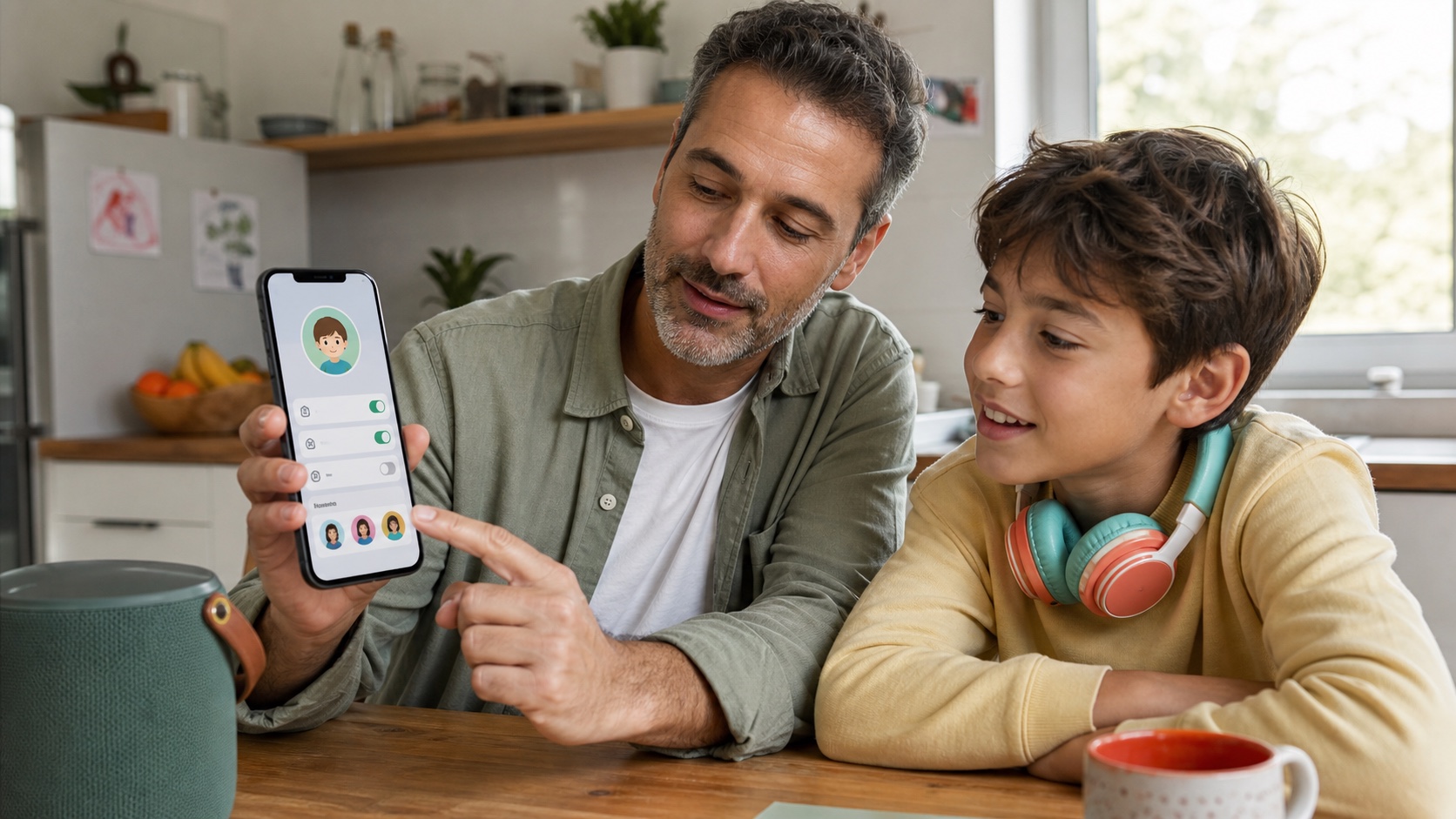
Linked parents can manage settings and receive alerts in some high-risk situations, including signs of self-harm. OpenAI is adding notifications related to eating disorders while saying that shared information remains limited.
The balance is difficult. Total surveillance may push a teenager to hide problems or change accounts. No alert can leave a family without support. Notifications must clearly state that they are neither a diagnosis nor a guarantee of detection.
Family discussion remains necessary: what the service stores, when to seek an adult and why a plausible answer needs verification. Parental controls do not replace that education.
Age estimation becomes a central issue
The experience activates from declared age or system estimation. Such a classifier can place an adult into the teen experience or leave a teenager in the standard one. OpenAI needs an accessible appeal, proportionate data collection and clear explanations of each verification path.
Schools have another need. ChatGPT for Teens targets personal use outside class, while institutional products give educators and administrators separate controls. A personal account should not be presented as a school-managed learning platform.
What families can configure
Start with an accurate birth date and link accounts if the family wants controls. Set realistic Study Hours, test one homework question together and verify that the student knows how to request sources and recognize uncertainty.
Simple rules help: do not upload documents containing personal data, do not use ChatGPT as the only contact during distress and disclose AI use when school policy requires it. Product safeguards work best alongside understood habits.
An improvement, not outsourced education
ChatGPT for Teens addresses concrete criticism: overly direct homework answers, emotional attachment, inappropriate content and limited family visibility. It cannot independently judge a teacher's pedagogy, a young person's mental state or every school's policy.
The useful measure is not how many assignments are completed, but what the teenager can do again without the tool. Study Mode and reminders can support that outcome; parents and teachers must keep it central.

Join the discussion
Comments
Loading comments…