

Generative AI for business: use cases, cost, security and governance
A practical guide to selecting an AI use case, evaluating an assistant, protecting data and measuring value before scaling.
aibusinessgovernanceagentssecurity
Category
Models, agents, business use cases, applied research and platforms.
We cover AI models, agents and use cases through verifiable capabilities, costs and limits. Articles connect announcements with the technical, legal and organisational choices they create.
Reference guide
A practical guide to selecting an AI use case, evaluating an assistant, protecting data and measuring value before scaling.
Google launches Gemini 3.8 Live, an Extended Thinking variant and Gemini 3.5 Transcribe for voice applications across 85 languages.

Google’s weather model combines live satellite data, hourly updates and resolution down to 5 km for Search, Gemini and Maps.
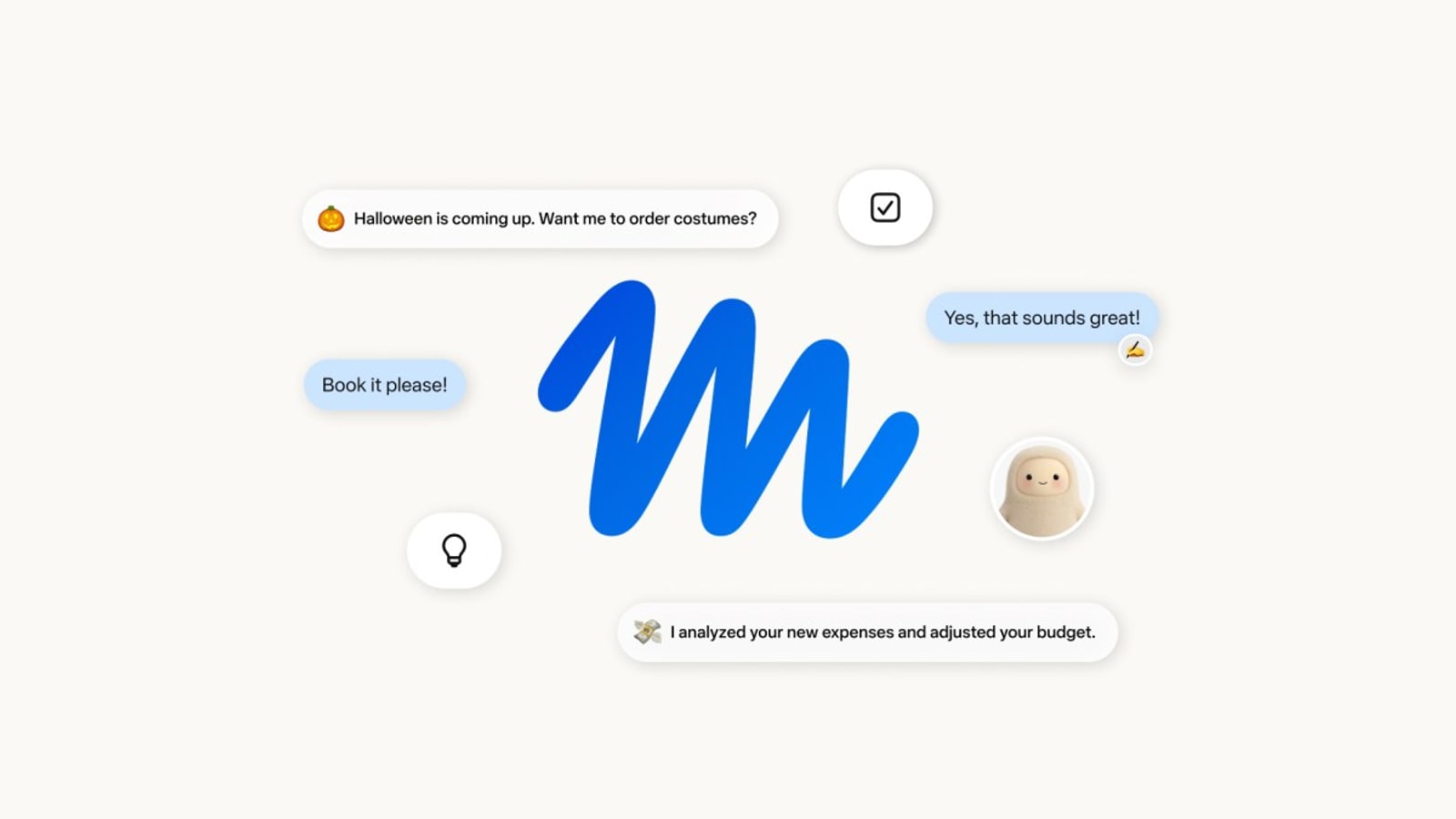
Muse can send email, complete forms and prepare travel, with approval before sensitive actions.

Google Research proposes generating and correcting tool-use tasks with textual feedback, reporting a 99.8% validation rate.

The new feature catalogs clothing found in photos, builds moodboards and offers virtual try-on, rolling out on Android before iOS.

A new Search Console control will decide whether a site can appear in and ground AI Overviews, AI Mode and AI summaries in Discover.

Fable 5.1 focuses on autonomous coding and long-horizon knowledge work. It reaches Claude and the API at $10 input and $50 output per million tokens.
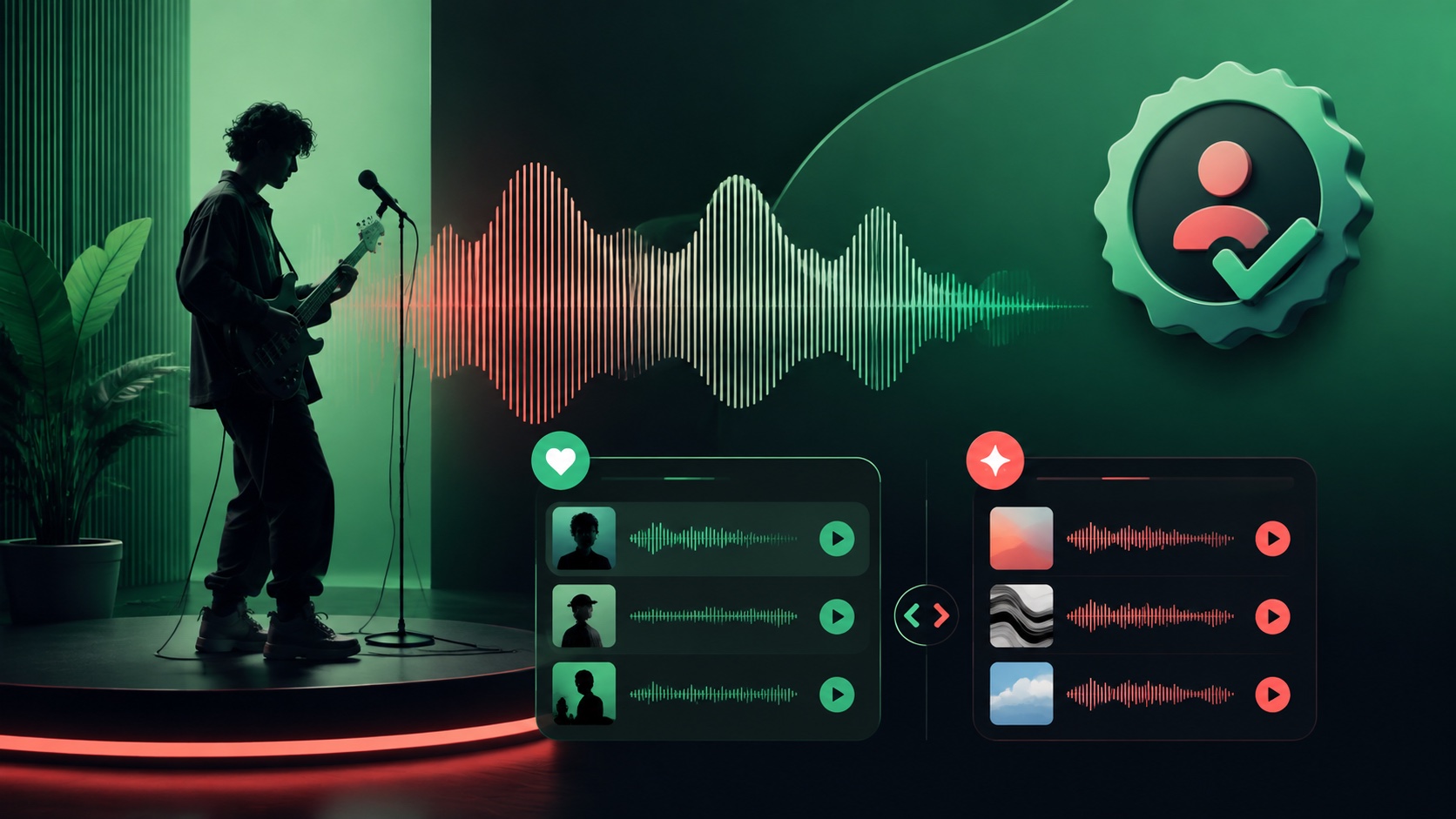
AI Persona badges will identify synthetic music projects. Spotify plans not to recommend them until a listener follows the artist.

Mozilla is partnering with Exa to bring AI search into Firefox. Here is what the partnership promises and which controls still matter.
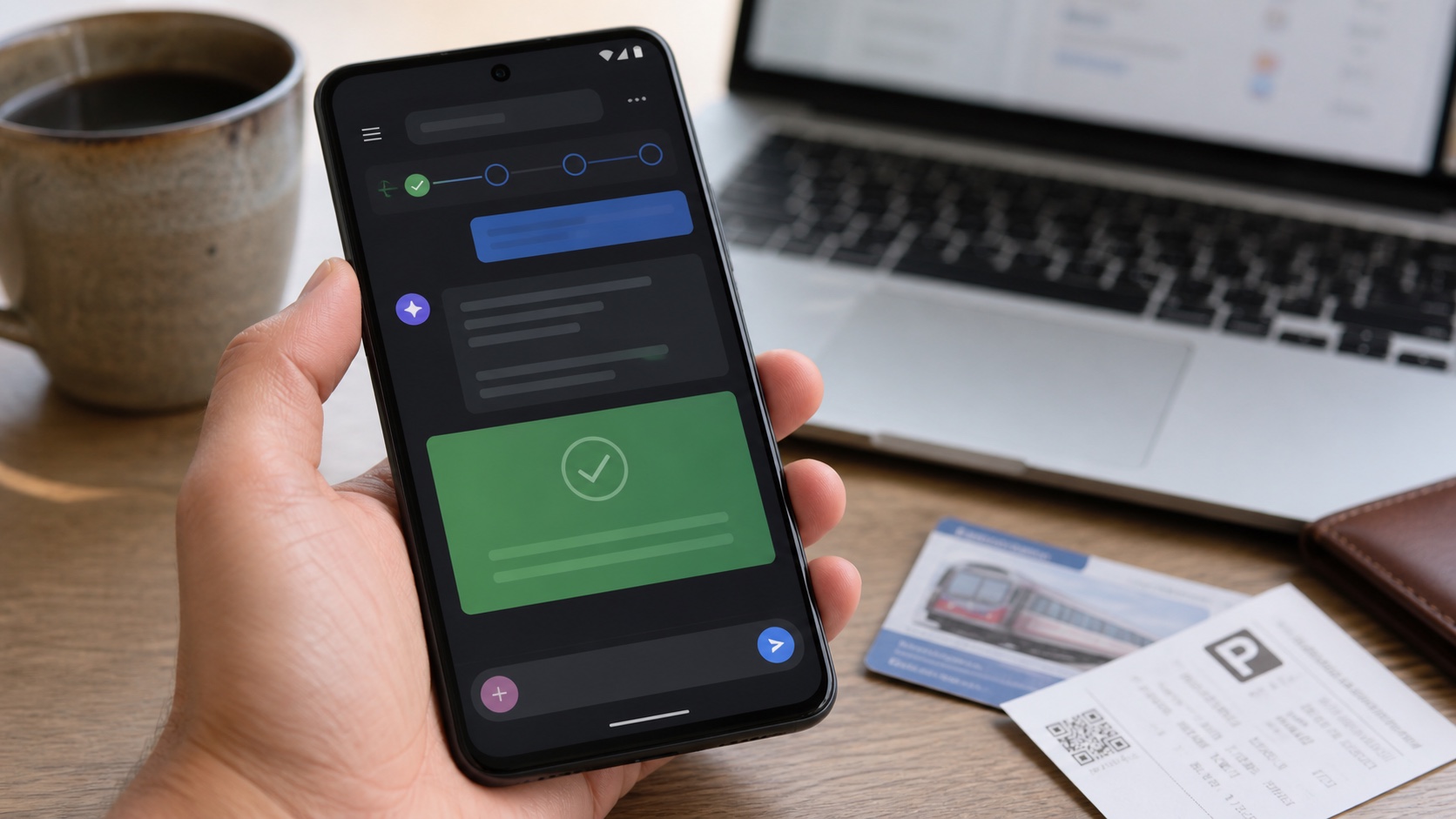
Chrome Android gains summaries, page questions, image editing and automated browsing. Here are device, subscription and safety limits.

Meta details an infrastructure combining massive embeddings, optimized attention, low precision and topology-aware 5D parallelism.

AI Mode answers from Meta content while creative tools can suggest posts from phone photos. Here is what privacy controls matter.

Apple limits Siri AI to recent hardware and some platforms in the European Union. Here is the compatibility and rollout picture.

Full duplex, WebRTC, delegation and context compaction: the architecture that lets GPT-Live listen, speak and reason in parallel.

Voice, chat, approved actions, simulations and human escalation: OpenAI turns production agents into a managed enterprise offering.

Astra reportedly solved or advanced ten open problems. Manuscripts, Lean certificates, cost and validation: how to read the claim without confusing formal proof with scientific consensus.

Pretraining, LoRA, RLHF, evaluation and private deployment: Forge offers enterprises a full lifecycle for models adapted to their own domain.

ChatGPT can use Apple Health and supported U.S. medical records. Availability, privacy, medical limits and precautions before connecting sensitive data.

OpenAI offers three GPT-5.6 models at very different prices. Capabilities, availability, caching and evaluations: a task-level selection method.

Features, privacy, ecosystems and pricing: a practical method for choosing the AI assistant that fits personal or professional work.

NVIDIA, AMD, IBM, Microsoft and other companies are backing a security alliance for open-weight models as the debate becomes harder to avoid.

More than 1,200 AI lab employees are calling for tools to pace the development of systems that could automate AI research.

AI agents are not just faster assistants. They force product, engineering and security teams to rethink how work is scoped, delegated and reviewed.

AI agents promise to automate complete tasks, but their autonomy turns data protection into an architecture and product design constraint.

Between open-weight models, European infrastructure and price pressure, organizations now have to balance performance, sovereignty and operational control.

European transparency rules for AI systems are moving closer. Product teams need to turn a legal constraint into a clear user experience.

AI assistants are spreading across business tools. Their value depends less on the demo and more on how they fit real processes.

Open models provide more control, but they move responsibility toward the organization that deploys them.

Text, image, voice and context are merging in search. Consumer apps need to adapt their journeys to this new behavior.

Running part of AI on PCs or phones promises lower latency and better privacy, but it does not remove the need for governance.

A good support agent is not judged only by closed tickets. Its ability to hand the right case to the right human is becoming central.

Testing an AI assistant requires more than a few successful prompts. Teams need to measure robustness, limits and the cost of mistakes.

An AI feature can succeed technically and fail economically. Cost per request is becoming a product metric.

Prompt injection, sensitive data, plugins and context chains force teams to secure the whole AI application.

Identifying AI-generated images, audio and text is becoming necessary, but trust also depends on context and traceability.