
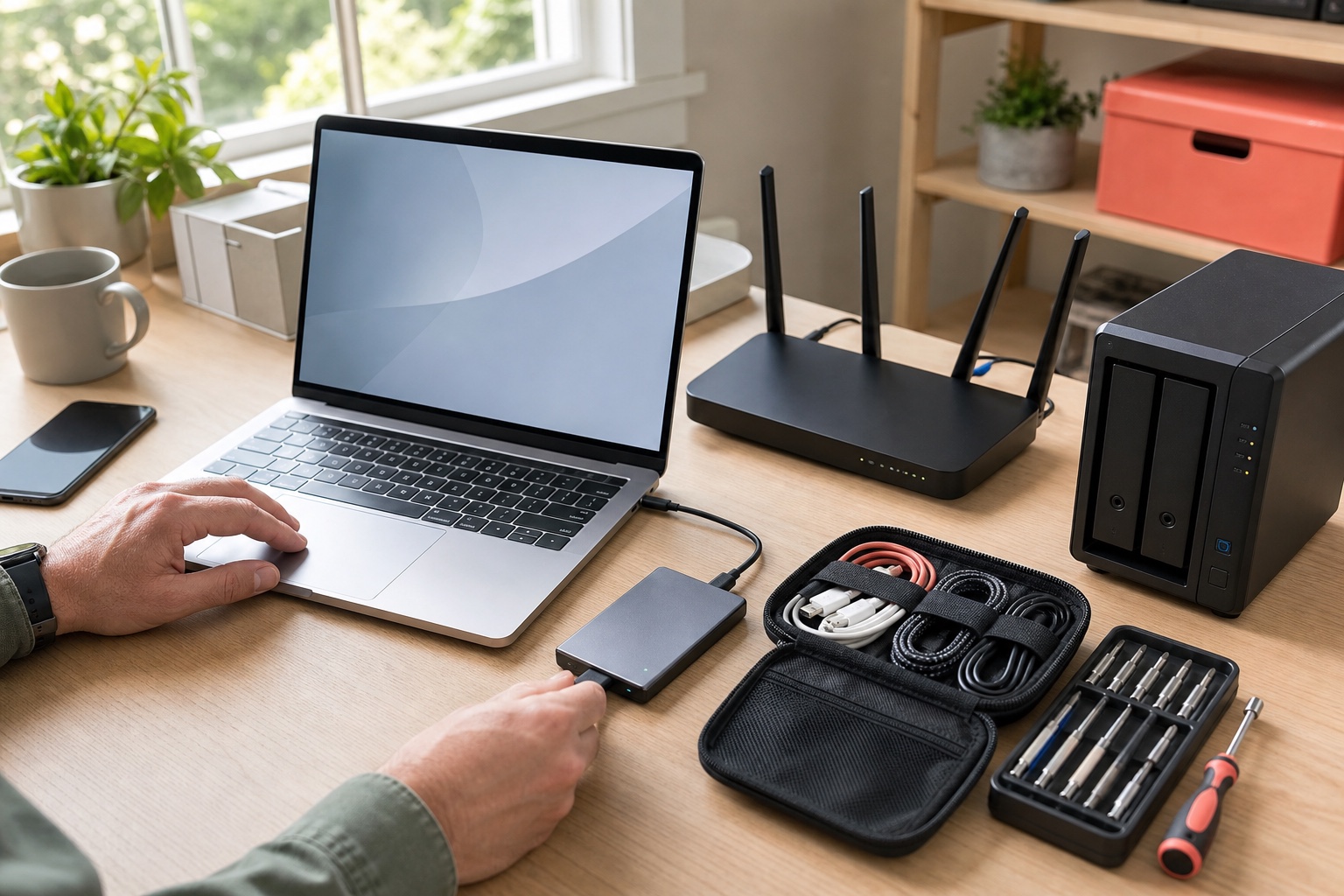
Personal computing guide: choose, secure and extend device life
PCs, phones, networks, storage and backups: a method for buying around real use and keeping hardware useful for longer.
hardwarebuying-guidepcsmartphonebackup
Category
Infrastructure, systems, hardware, networks and technical trends.
This section covers the systems, hardware, networks and infrastructure behind digital services. It helps assess compatibility, performance, power use and support lifetimes.
Reference guide
PCs, phones, networks, storage and backups: a method for buying around real use and keeping hardware useful for longer.
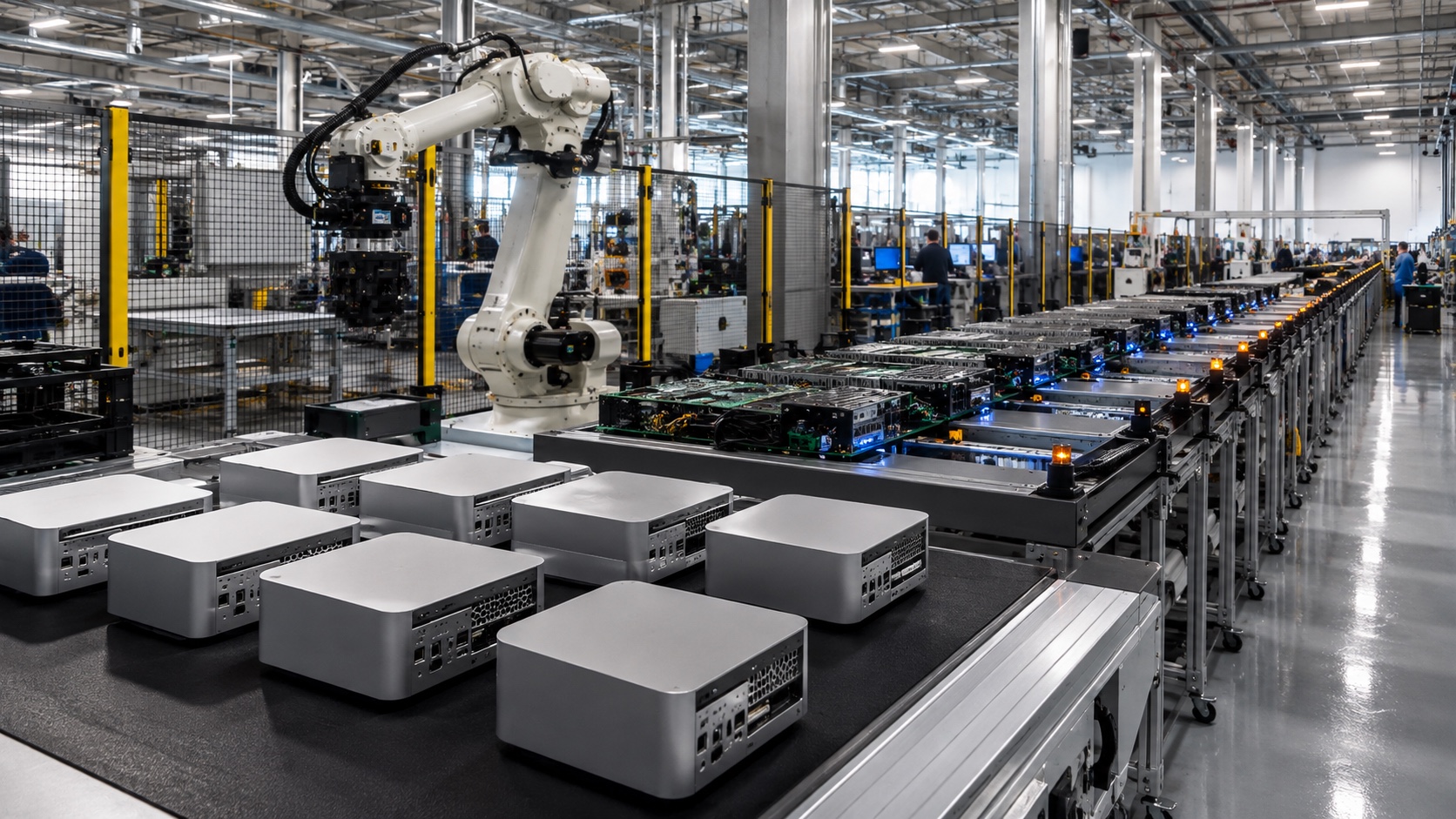
The US site already builds and ships servers for Apple Intelligence. Mac mini production is scheduled to begin there later in 2026.
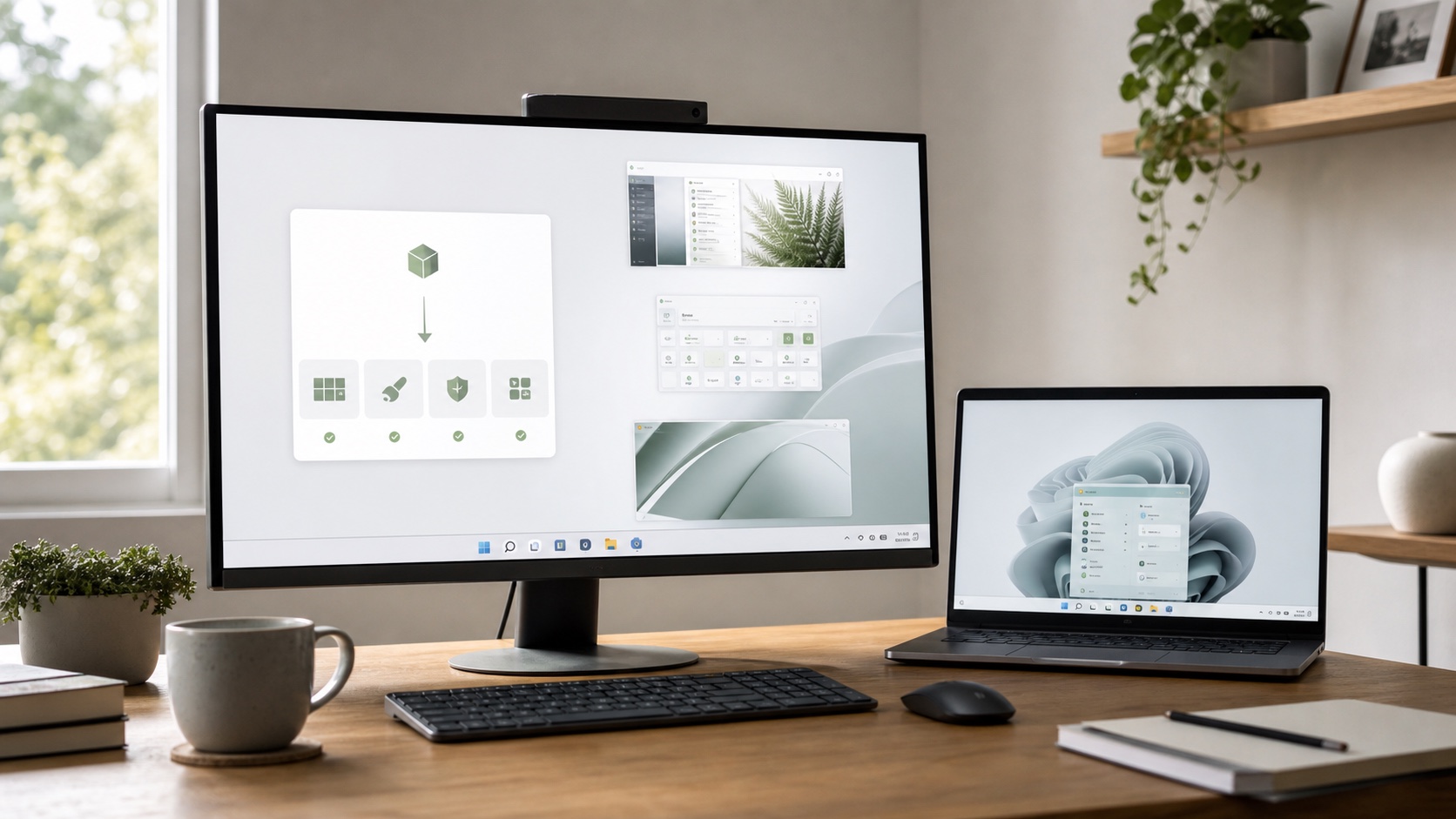
Microsoft is opening Windows 11 26H2 to testers before general release. Here is how the enablement package and 24H2 deadline matter.
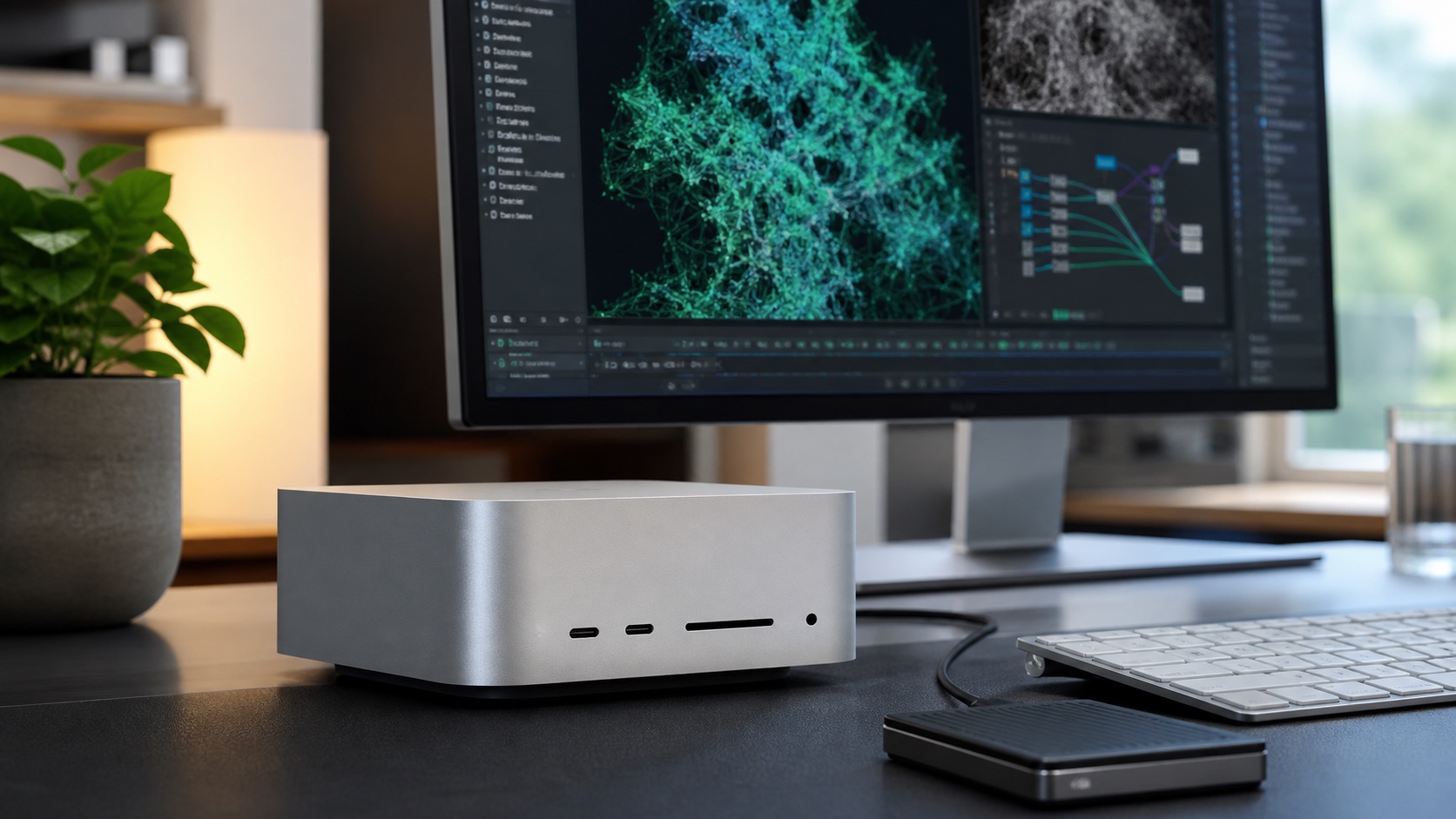
The Mac mini M6 arrives September 22 with upgraded CPU and GPU, Wi-Fi 7 and 2.5 GbE. Here is what to check before ordering.
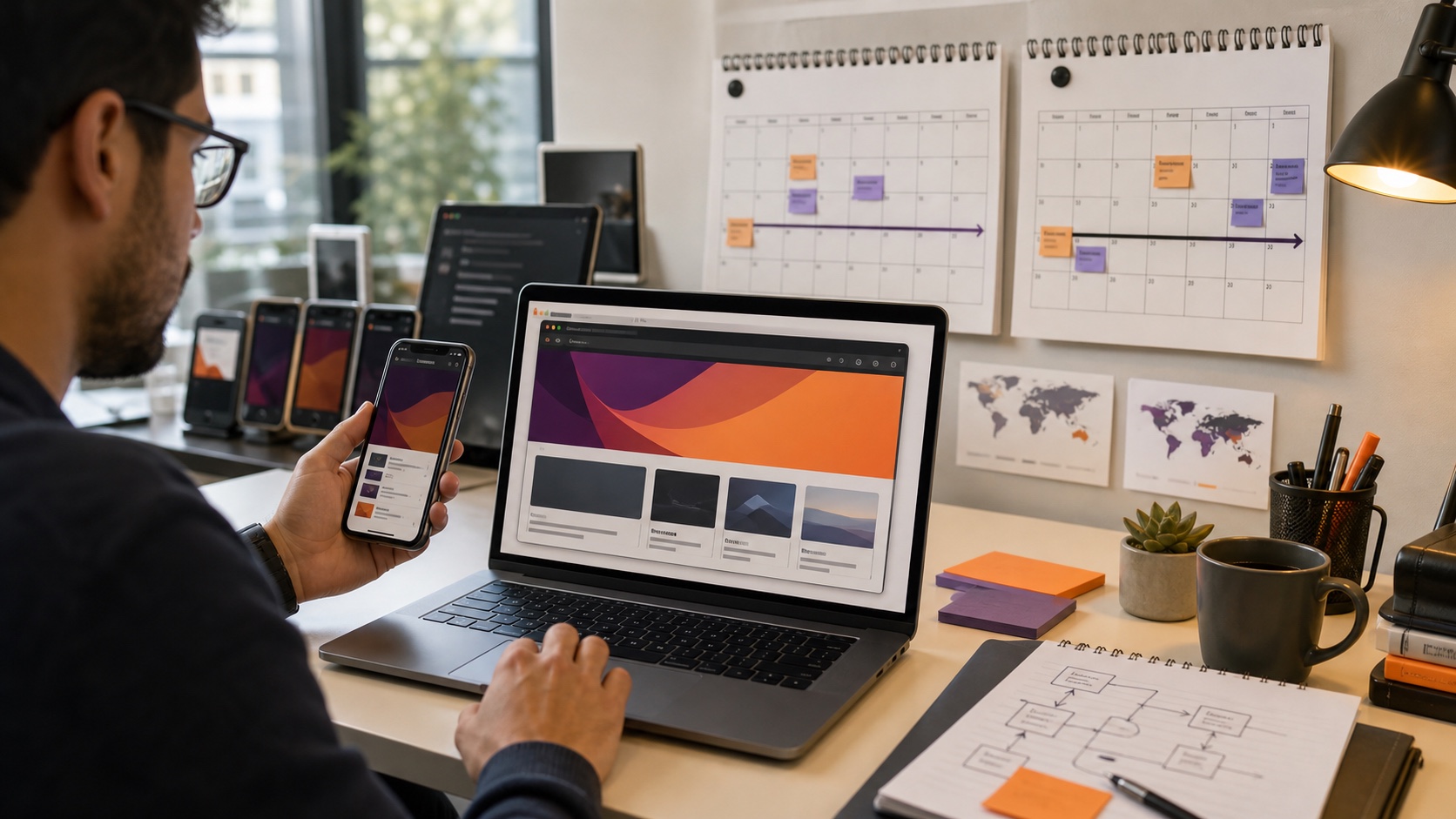
Mozilla is accelerating Firefox's schedule on desktop and Android. What changes for users, businesses and localization teams.
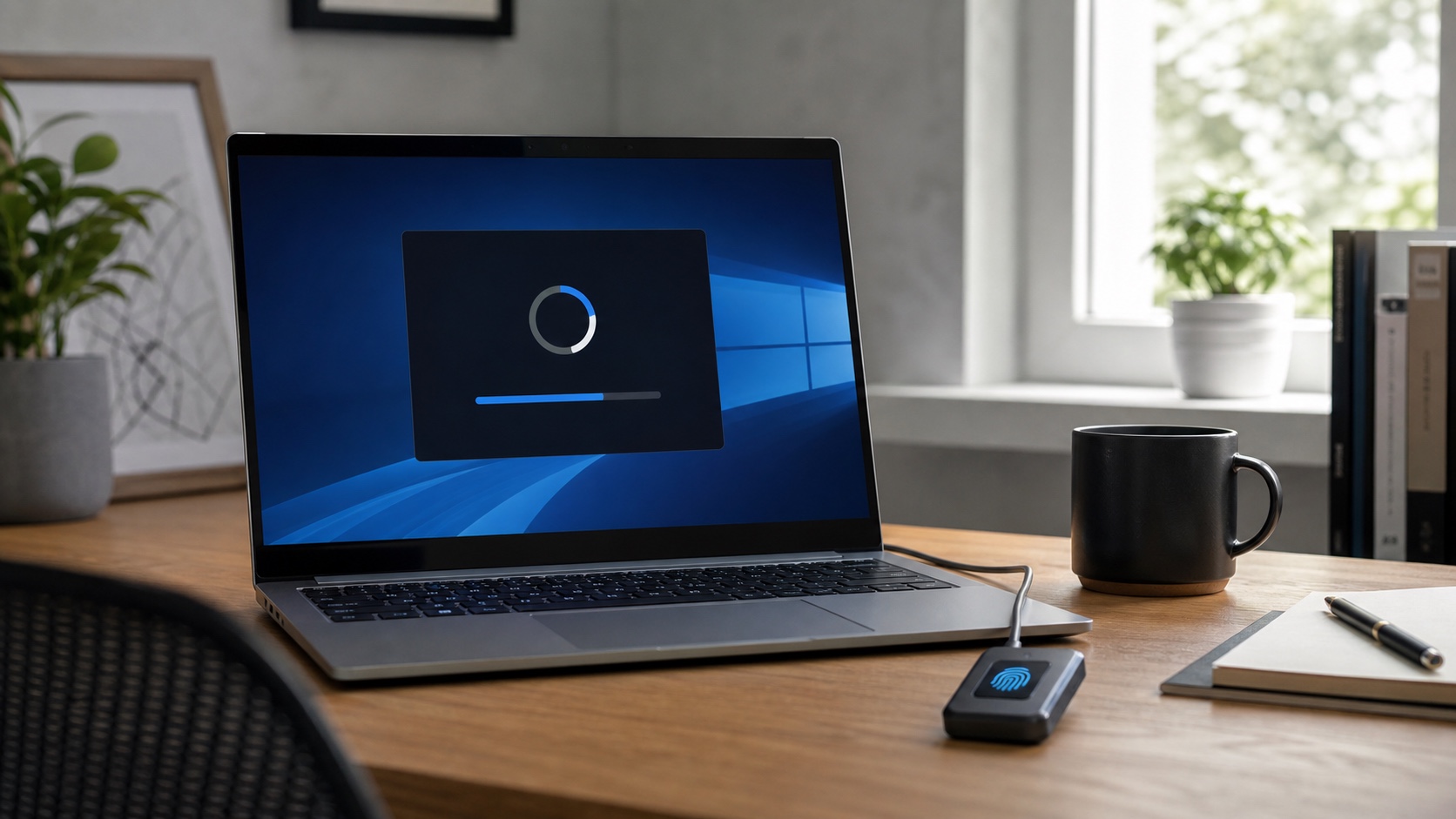
Windows 11 is preparing its August update with broader Windows Hello support, a removable AI component and several fixes. What to check before installing it.
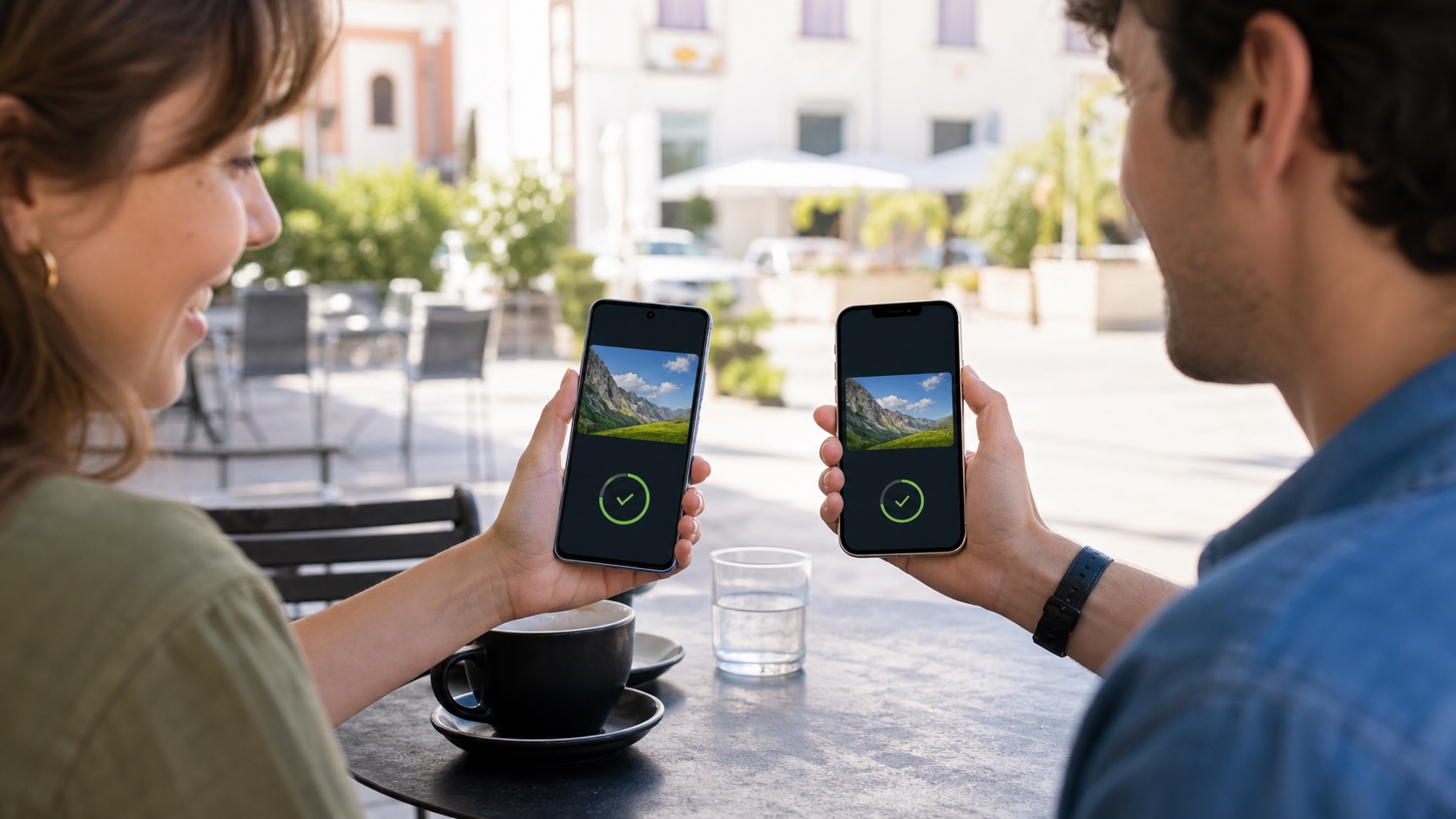
Quick Share now exchanges files with AirDrop on more Android phones. Compatibility, instructions, limits and the QR-code fallback explained.
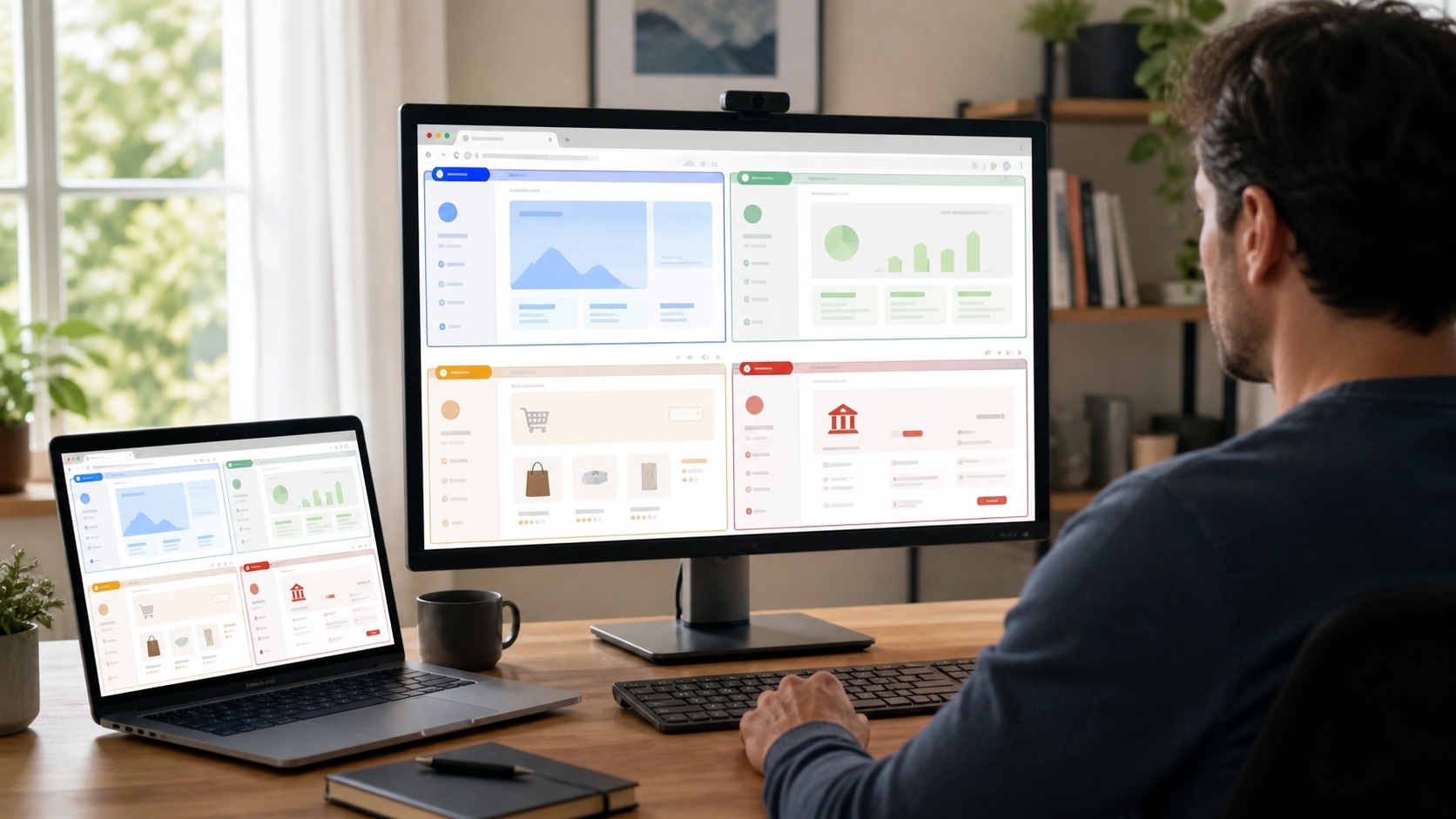
Firefox 153 adds native containers to isolate cookies and sessions in color-coded tabs. Uses, setup, limits and differences from the extension.
Firefox now offers a free VPN inside the browser. Availability, data limits, privacy and the differences from a full-device VPN explained.
Android 17 is rolling out first to Pixel devices. Features, security, compatibility and backups: the checklist before installing the update.
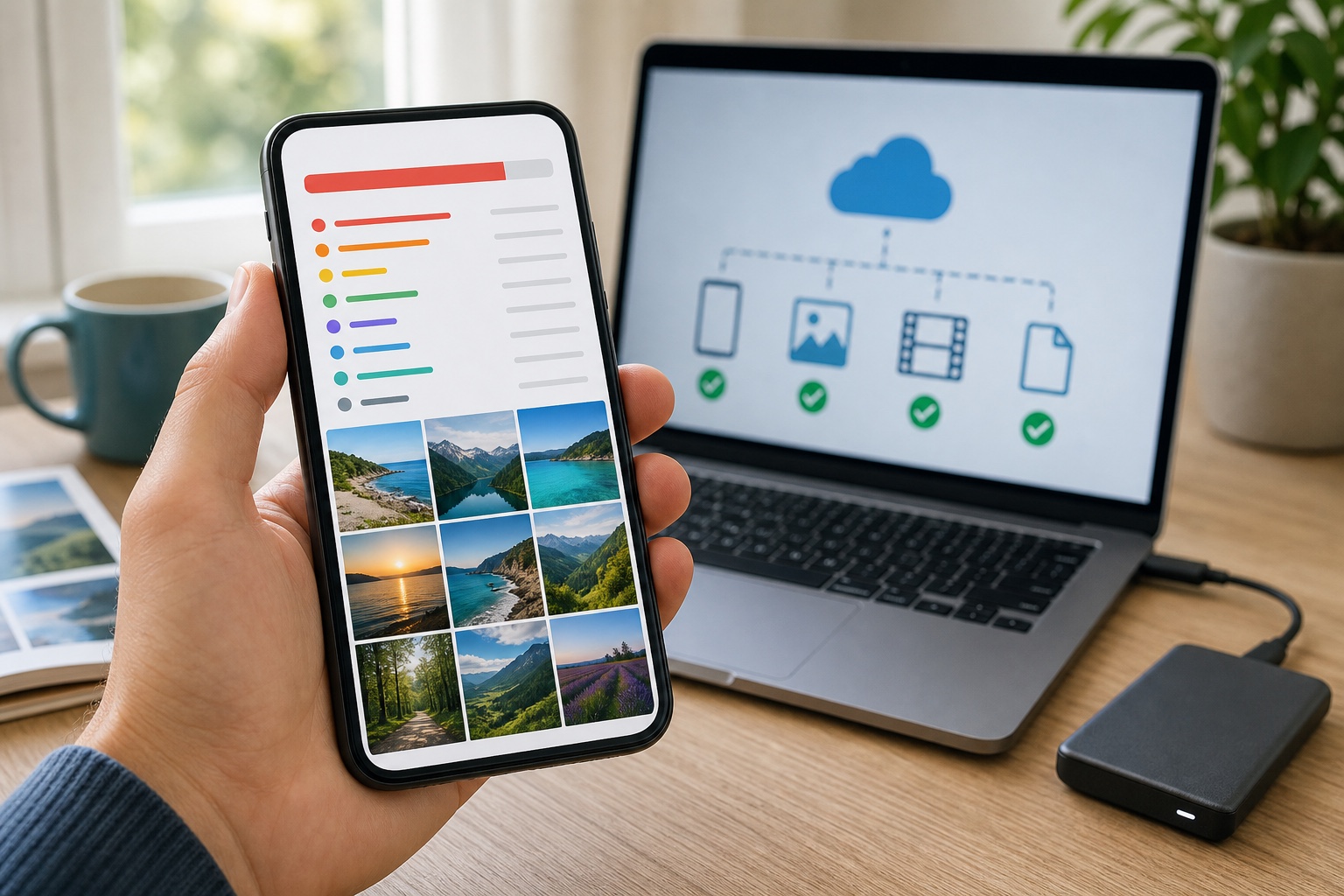
Full iPhone or Android storage: a safe method to identify large files, verify backups and recover space without losing important memories.

Office work, study, development, creative work or gaming: useful specifications, coherent budgets and the traps to avoid before buying.
Microsoft's latest results offer a practical read on the AI moment: demand is real, but so is the data-center bill.
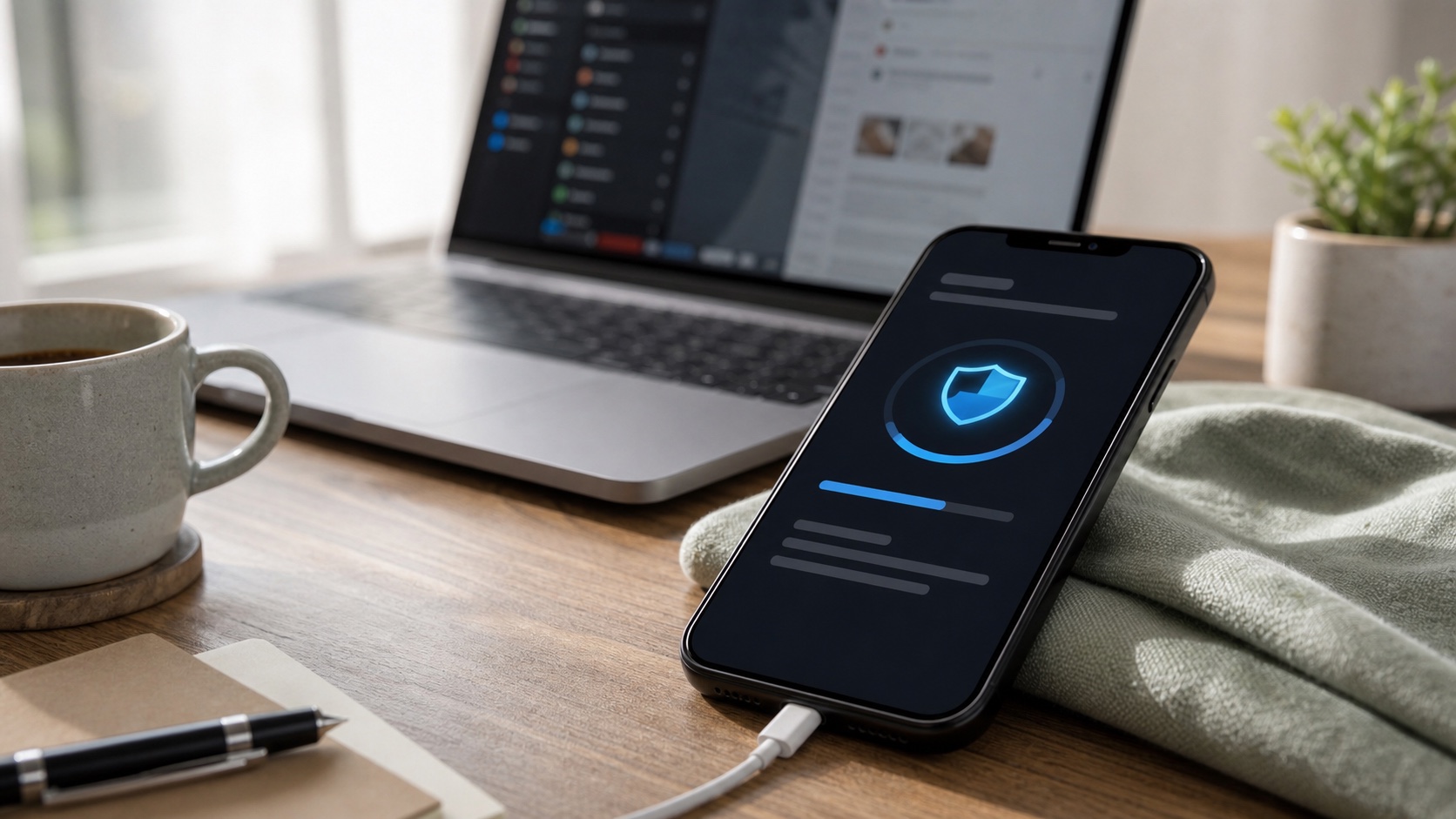
Apple fixes dozens of vulnerabilities in iOS and iPadOS 26.6. Even without a flashy feature, this update matters for everyday users.
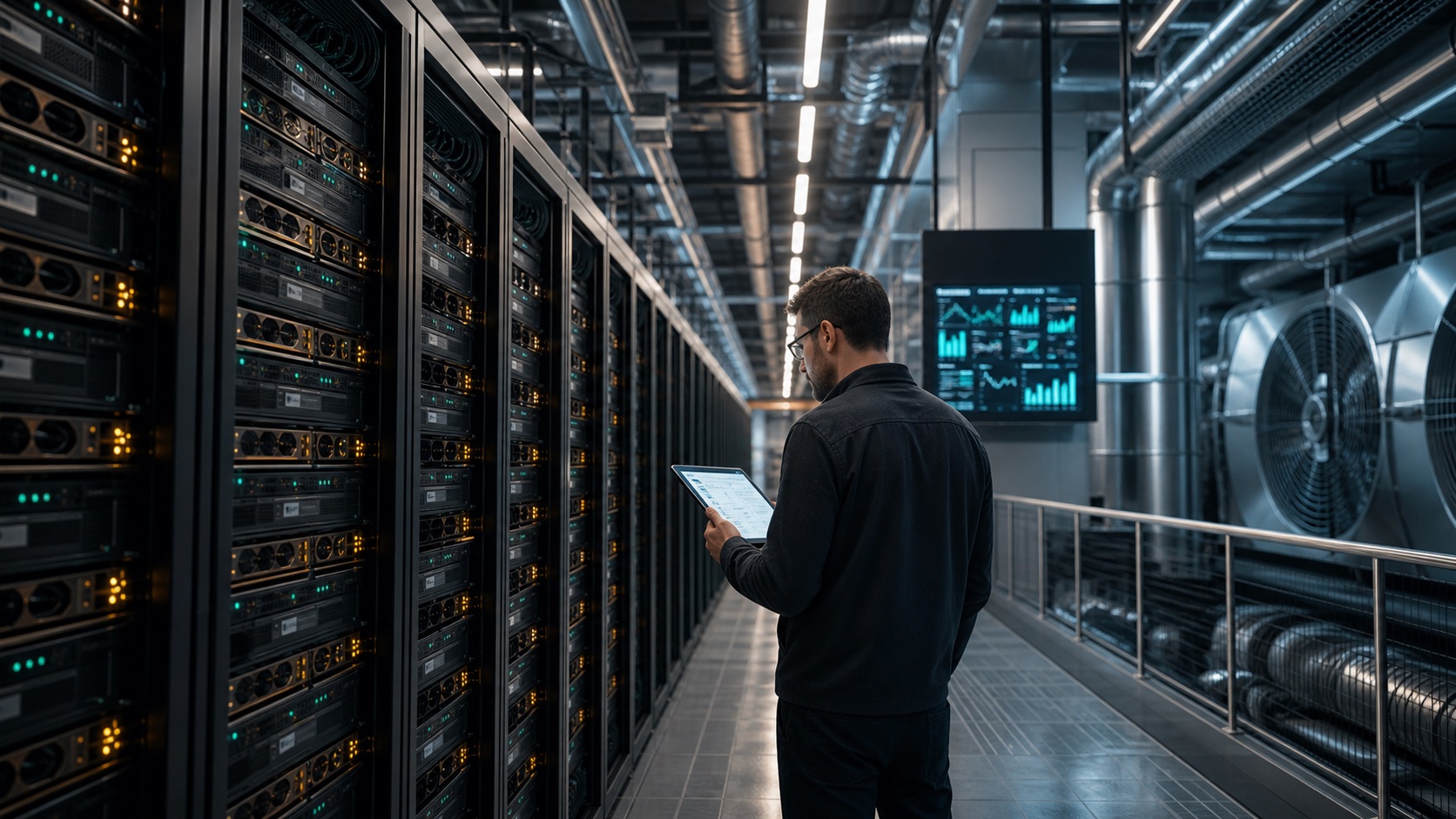
The growth of AI workloads pushes datacenters toward a new limit: access to electricity, cooling, GPUs and available regions.
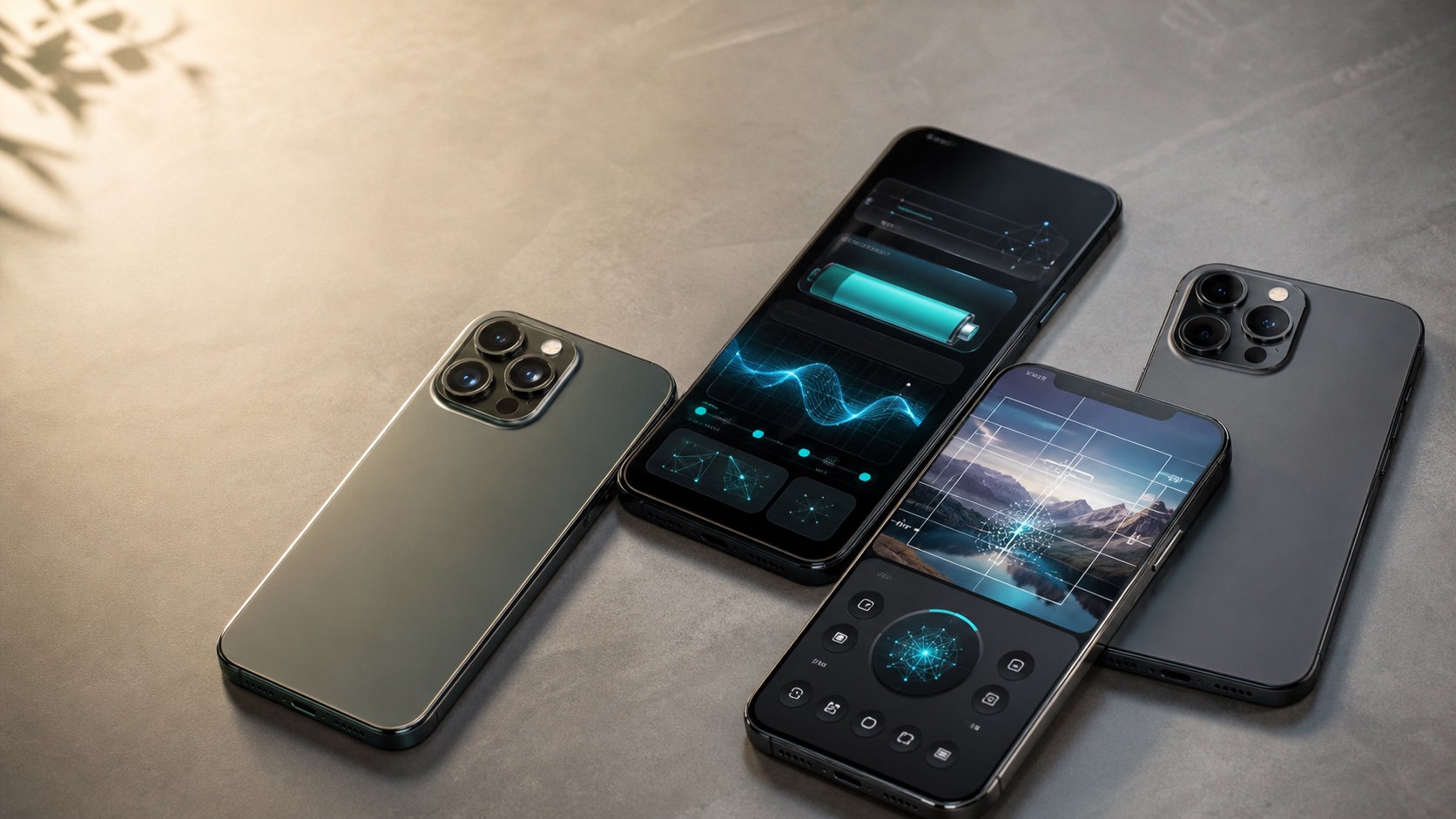
Every spec sheet now talks about AI. Smart buying still starts with camera quality, battery life, updates and features you will really use.
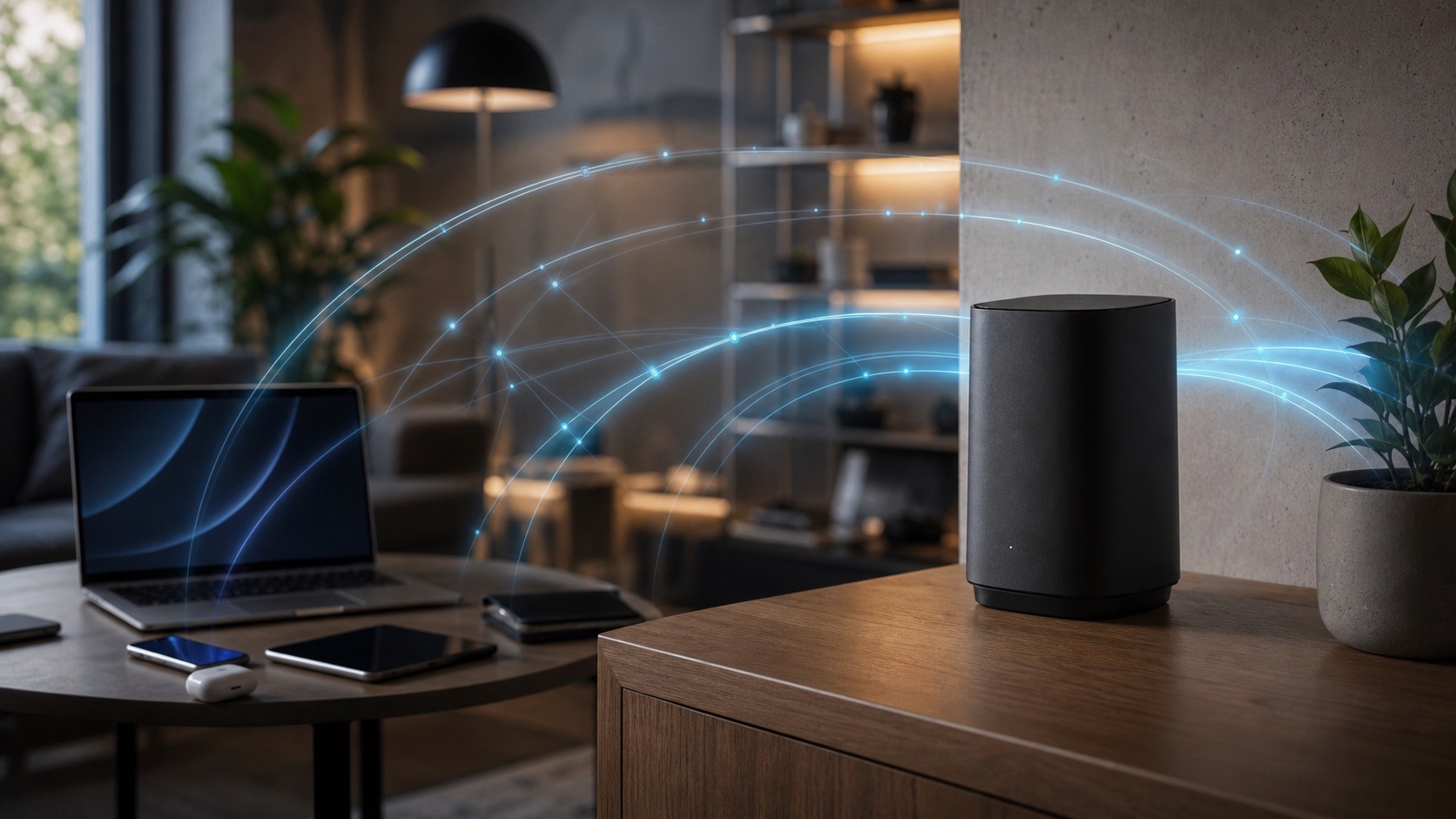
Wi-Fi 7 promises more throughput and lower latency. For many homes, the real gain still depends on devices, fiber and placement.
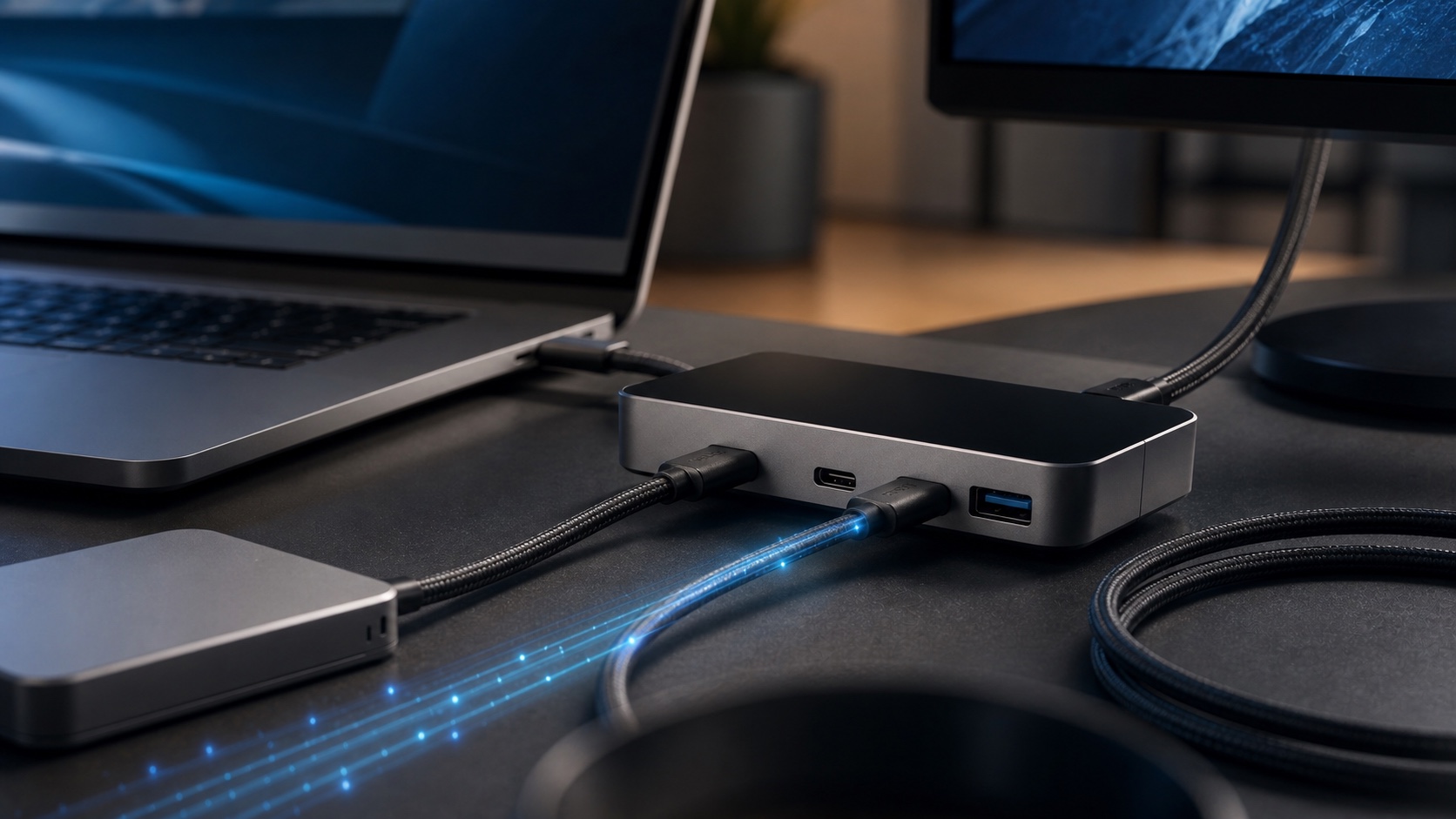
With USB4 v2, docks, displays and external SSDs gain potential. Users still need to read logos and real capabilities.
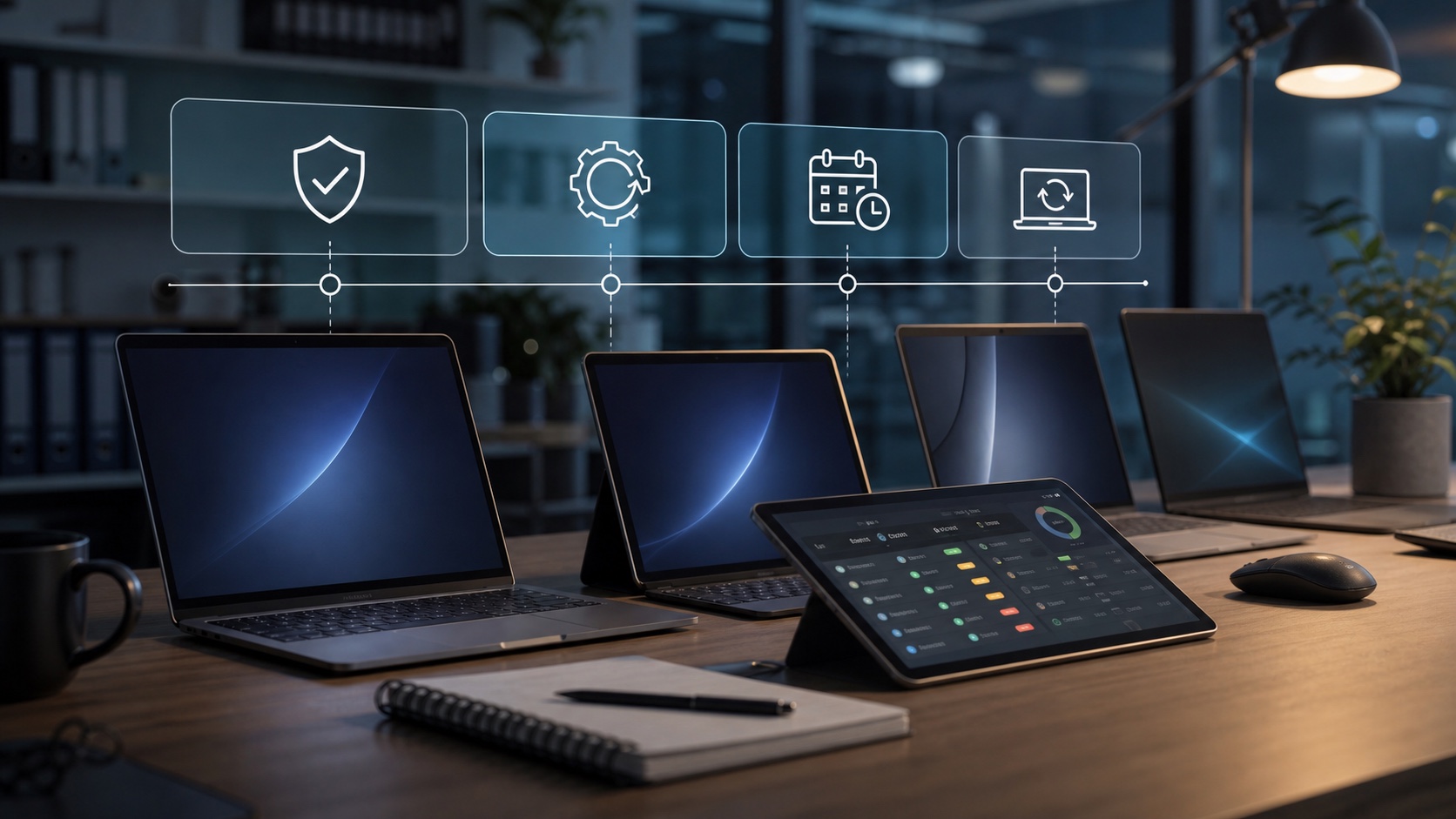
Windows 11 versions have different end-of-support dates. For small companies, tracking the calendar prevents rushed migrations.
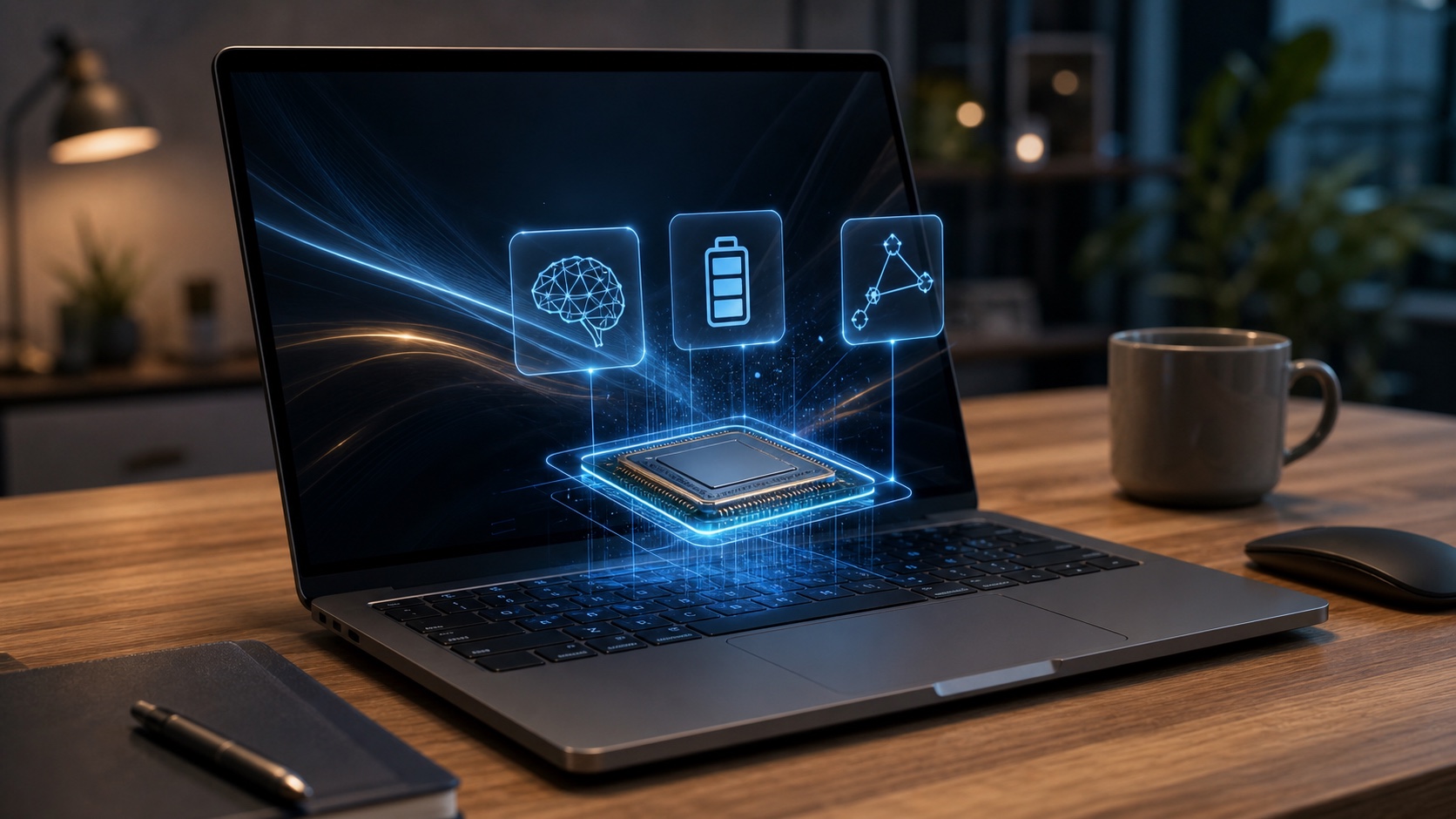
AI-oriented PCs promise faster local features. The right choice mainly depends on ownership duration and real workloads.
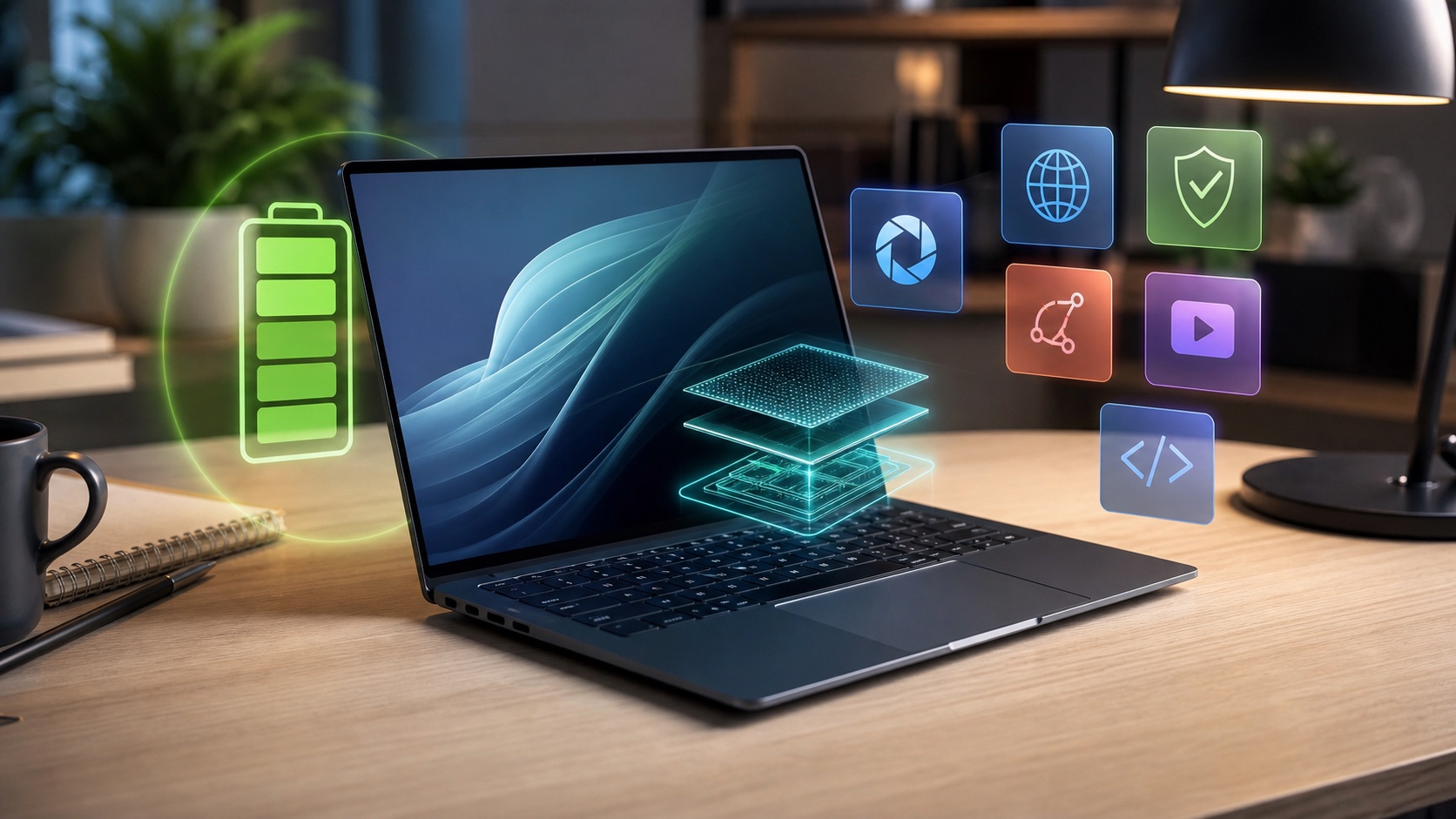
Arm laptops appeal through endurance and silence. Before buying, critical software still needs to be checked.
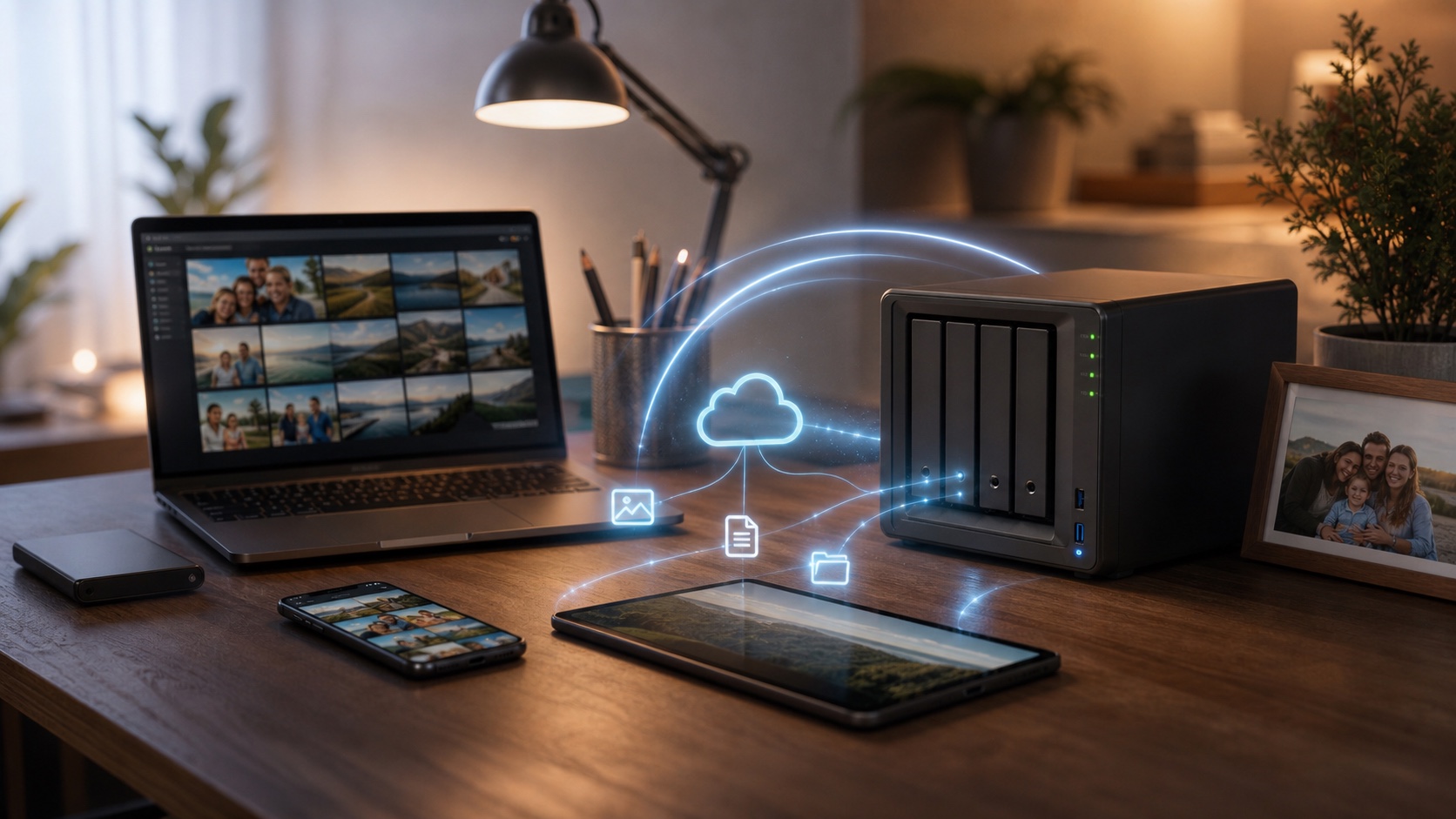
Photos, videos, documents and backups push some households toward NAS systems. The real topic is still backup strategy.
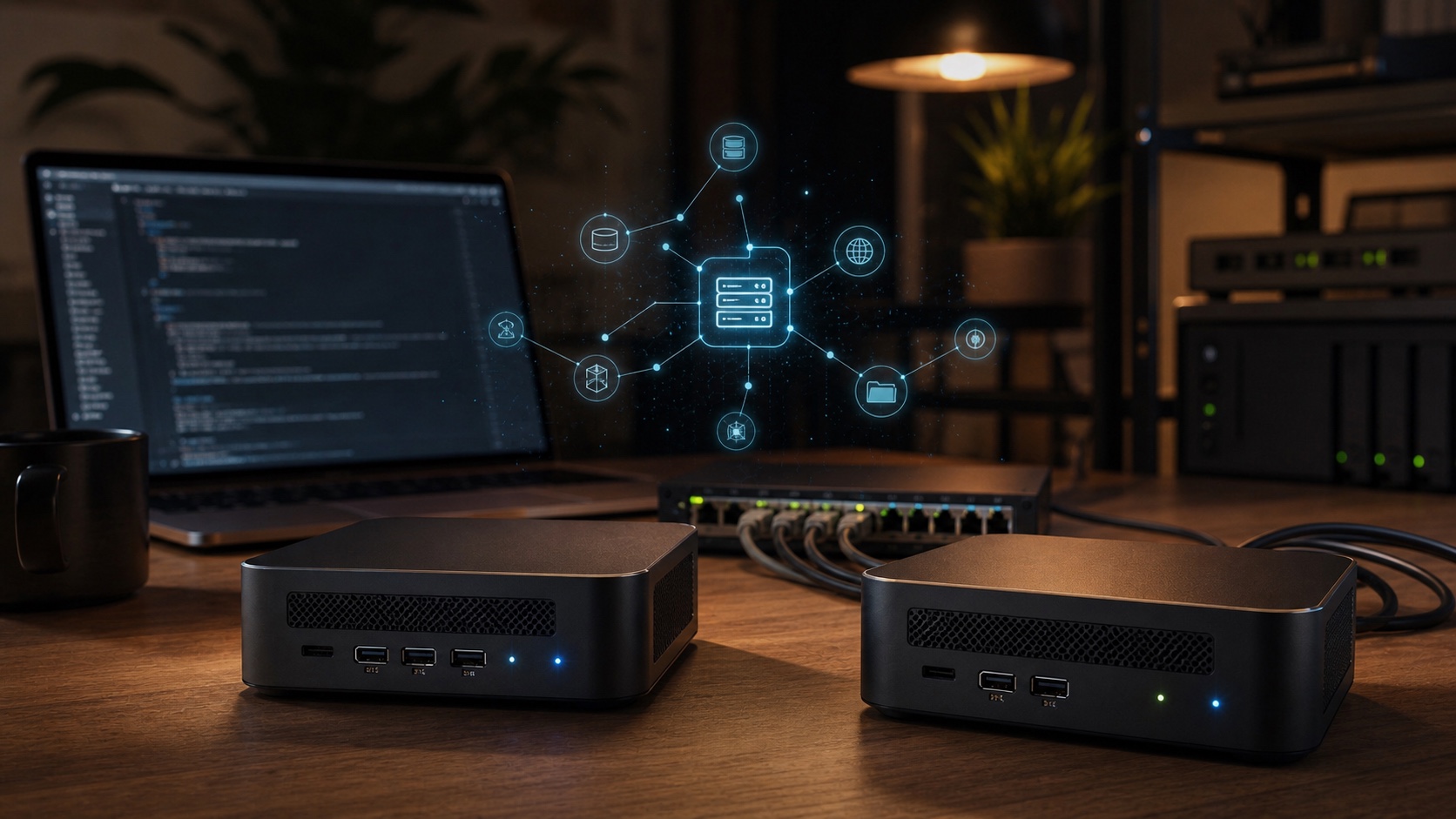
Modern mini PCs make it possible to test Docker, databases and internal services without renting permanent cloud capacity.
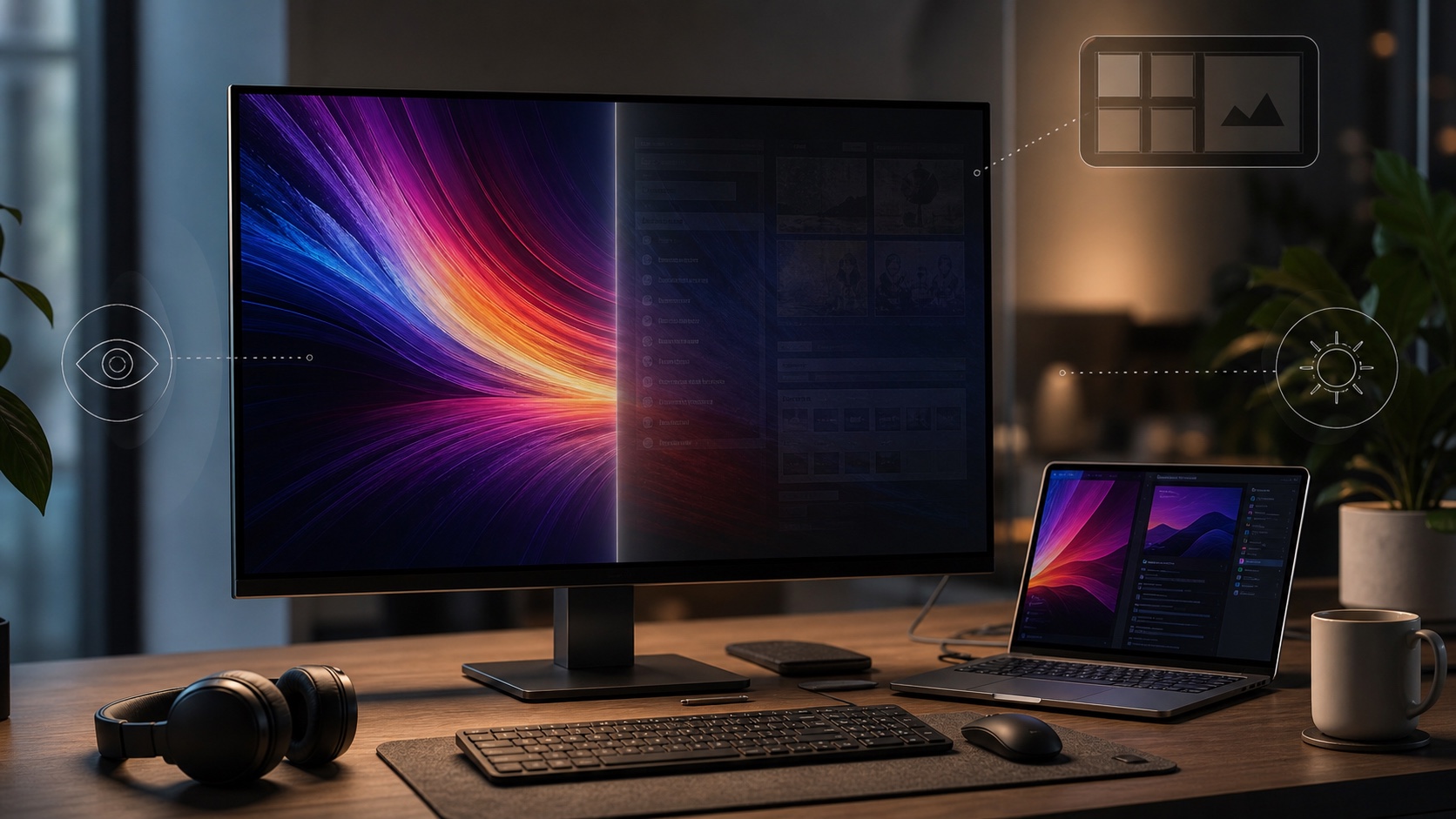
OLED is reaching desks with perfect blacks and fast response. For office work, brightness, burn-in and ergonomics need checking.
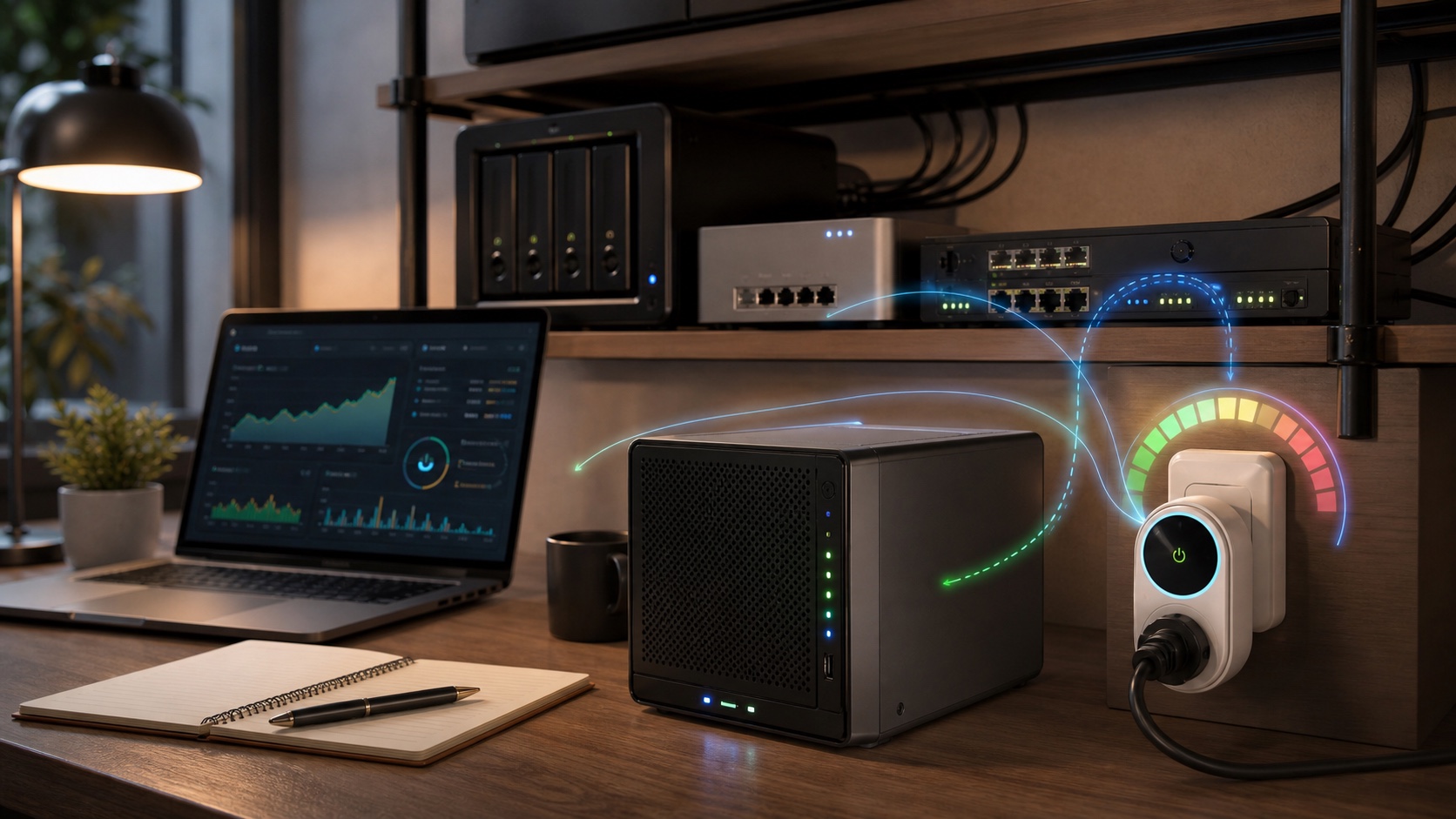
Running services at home can cost more than expected. Always-on watts should influence technical decisions.
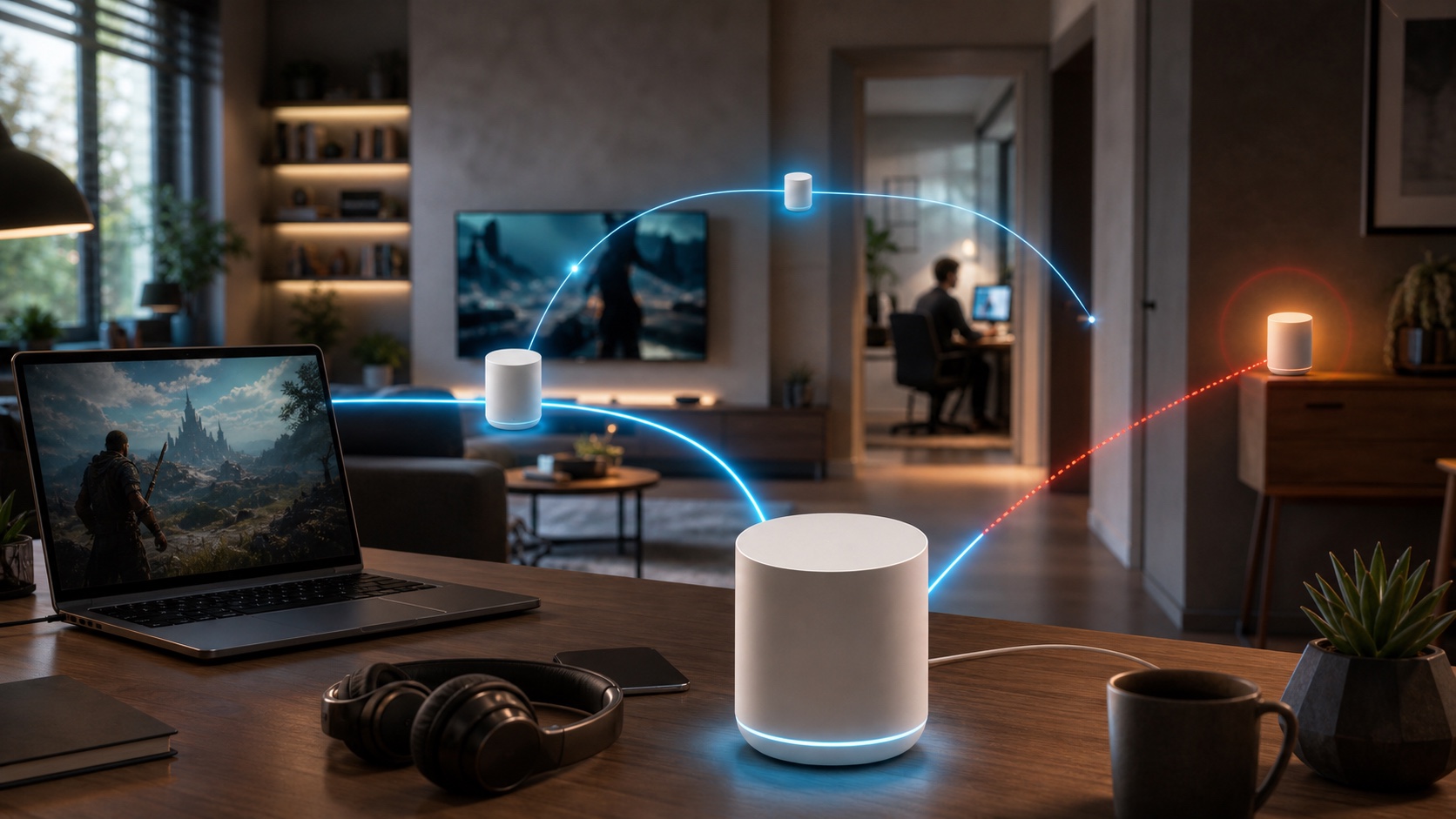
Remote work, streaming, cloud gaming and connected devices make home networking look like a small infrastructure problem.