
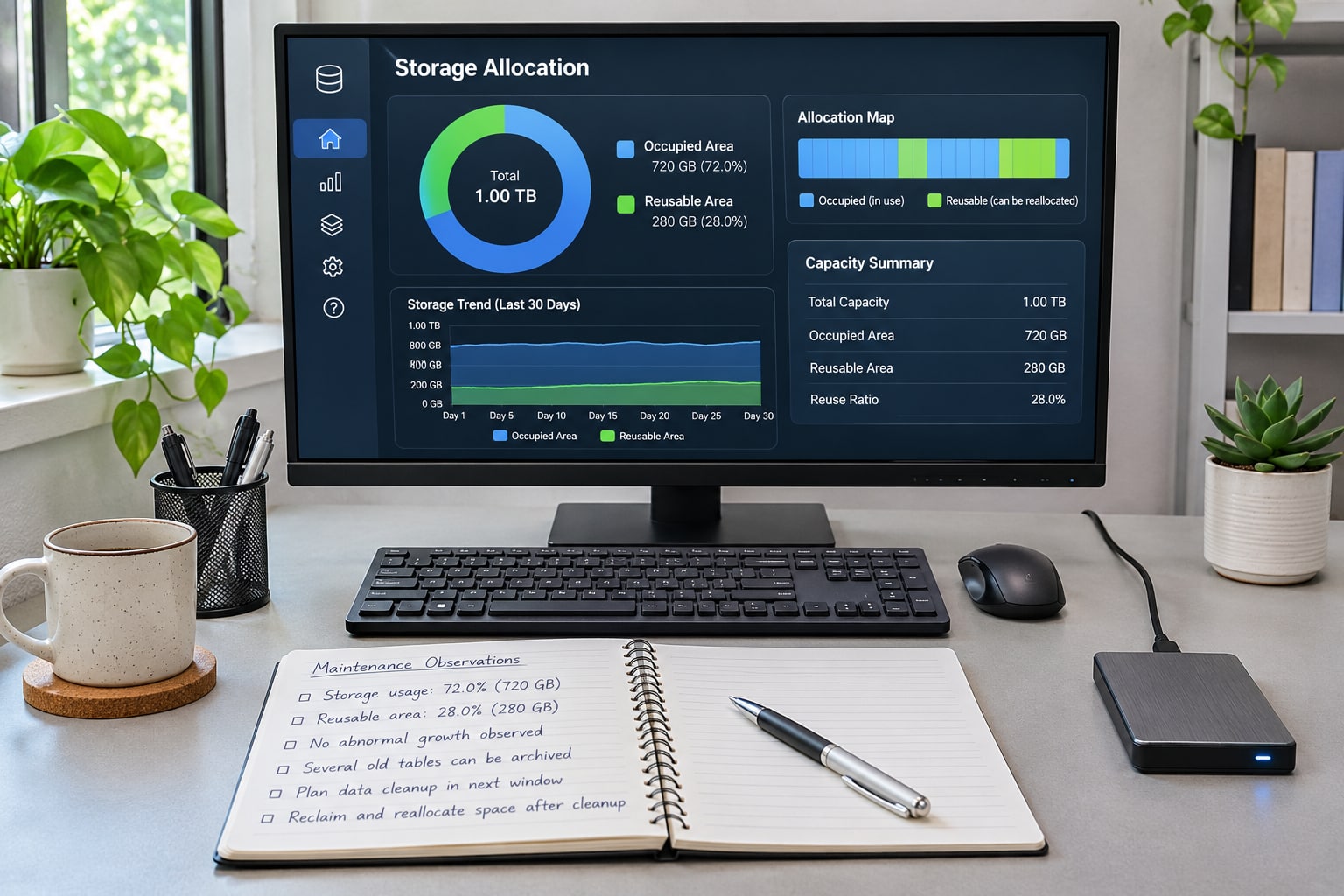
PostgreSQL: why VACUUM may not make the disk graph shrink
Reusable space, planner statistics and a table rewrite solve different problems. Establish the diagnosis before choosing a heavy operation.
PostgreSQLVACUUMmaintenance
Topic
Databases, pipelines, observability, quality and analytics platforms.
The value of data depends on the chain that makes it available and understandable. This topic covers databases, formats, pipelines and quality practices that make a platform reliable in production.
Reusable space, planner statistics and a table rewrite solve different problems. Establish the diagnosis before choosing a heavy operation.
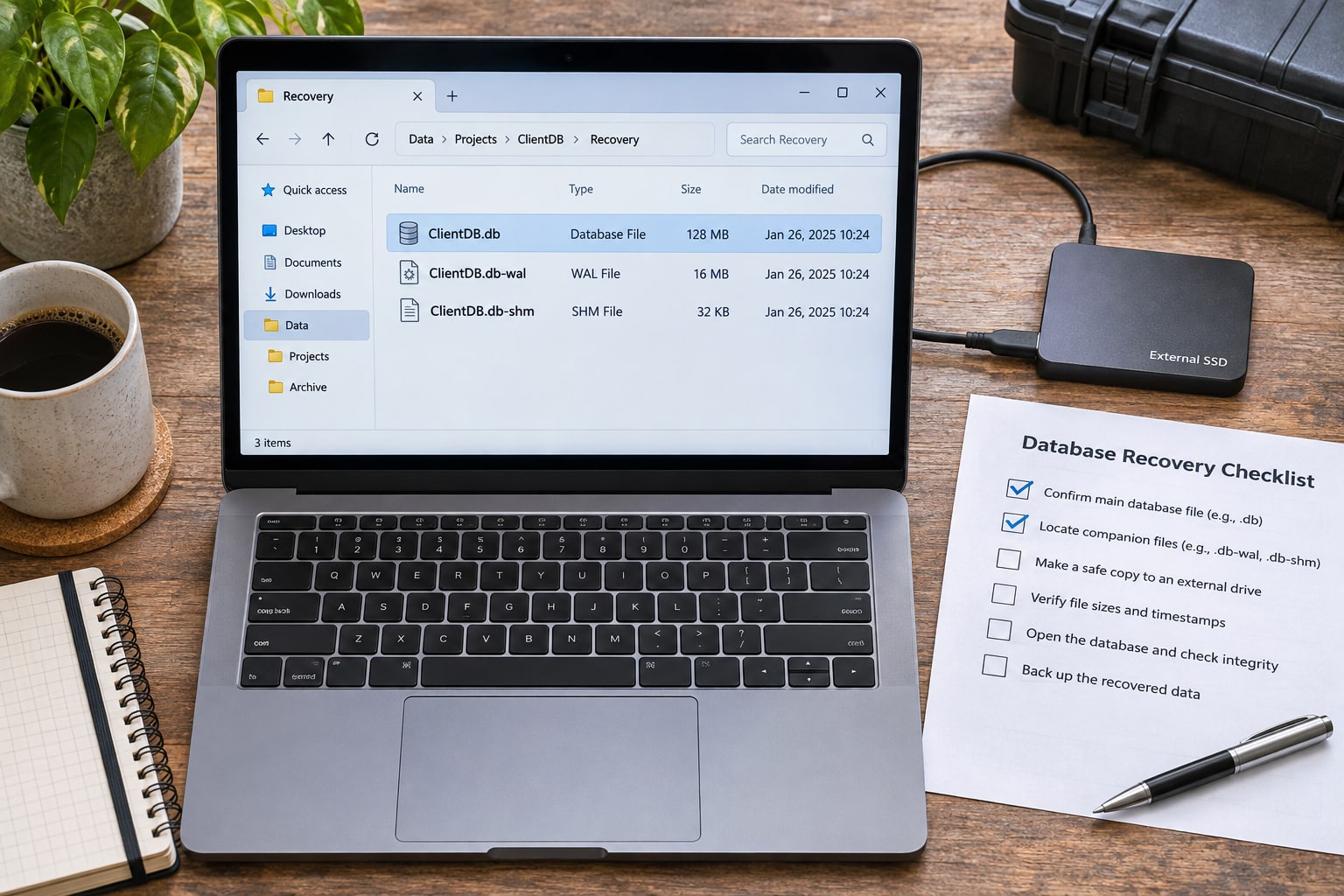
The main file does not always capture an open database's entire state. Understand companion files and choose a consistent backup method.
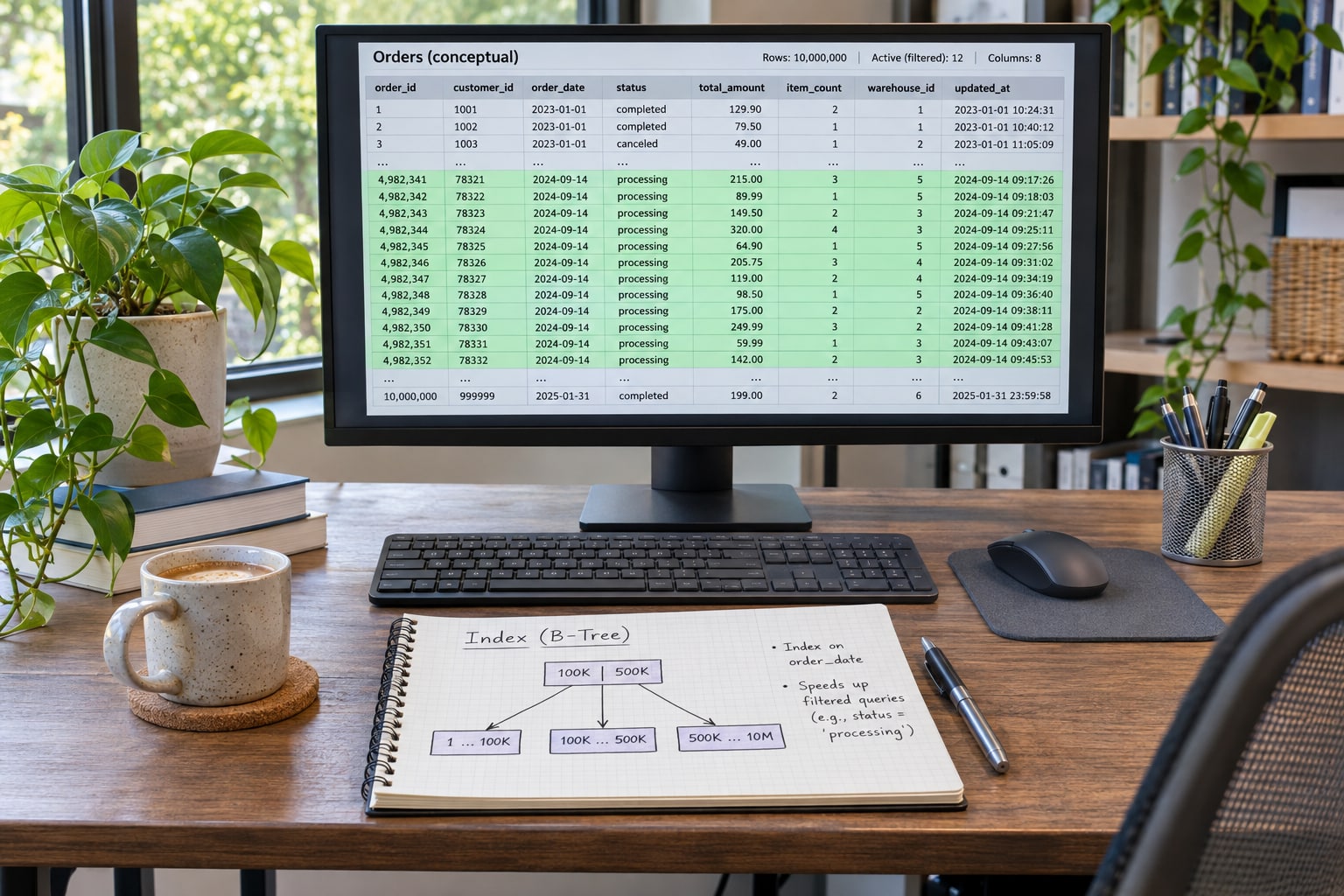
Partial indexes target a subset of rows. Their usefulness depends on predicates, real queries and maintenance cost.

Identify blocking sessions, distinguish timeouts and plan an intervention before interrupting a production transaction.
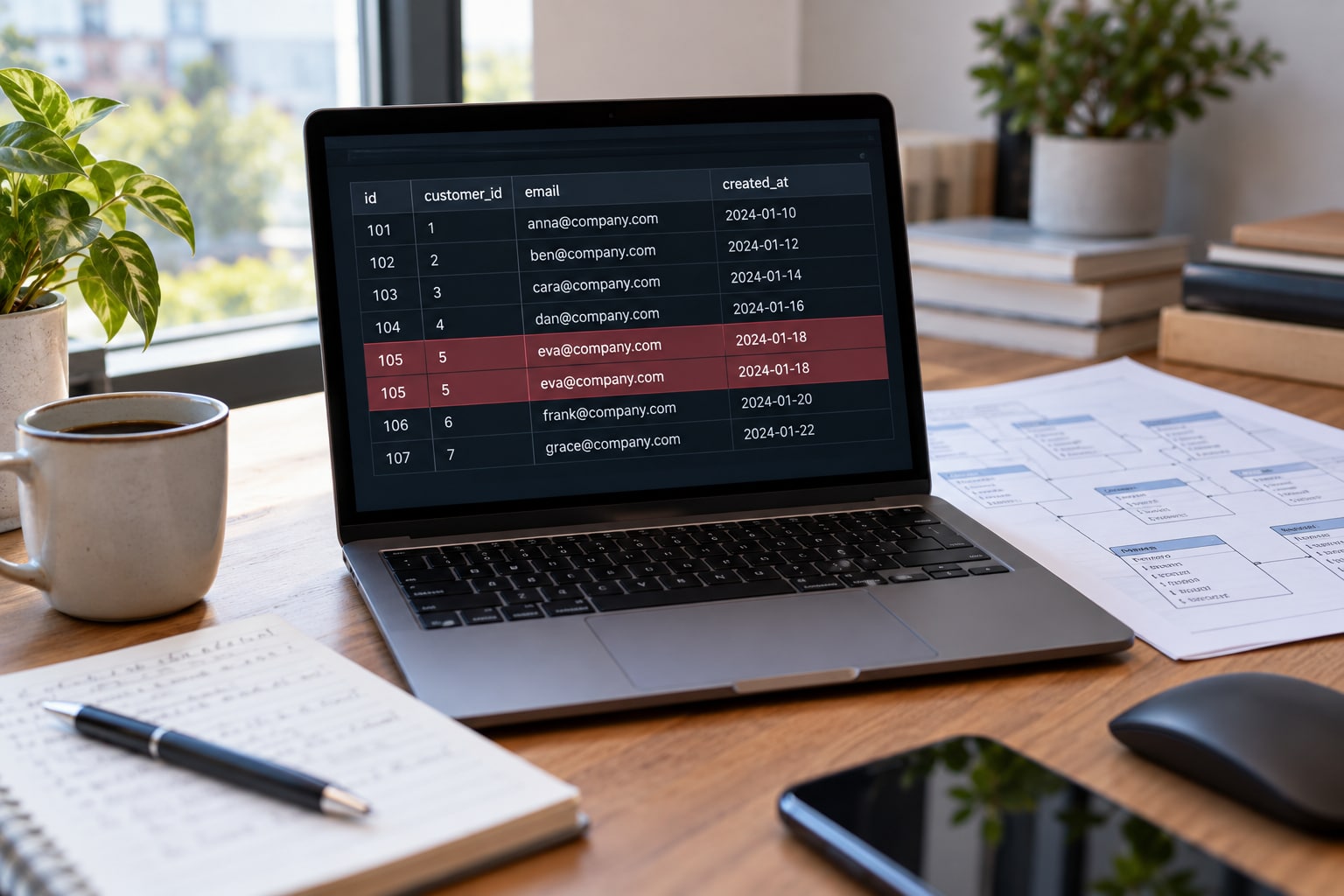
A unique column does not necessarily treat missing values as duplicates. Define the intended rule and test concurrent writes.

Startup, readiness and liveness answer different operational questions. Define their roles before increasing delays or hiding a real startup failure.

BUFFERS statistics help investigate slow queries. Read EXPLAIN ANALYZE with context rather than turning a single counter into a premature diagnosis.
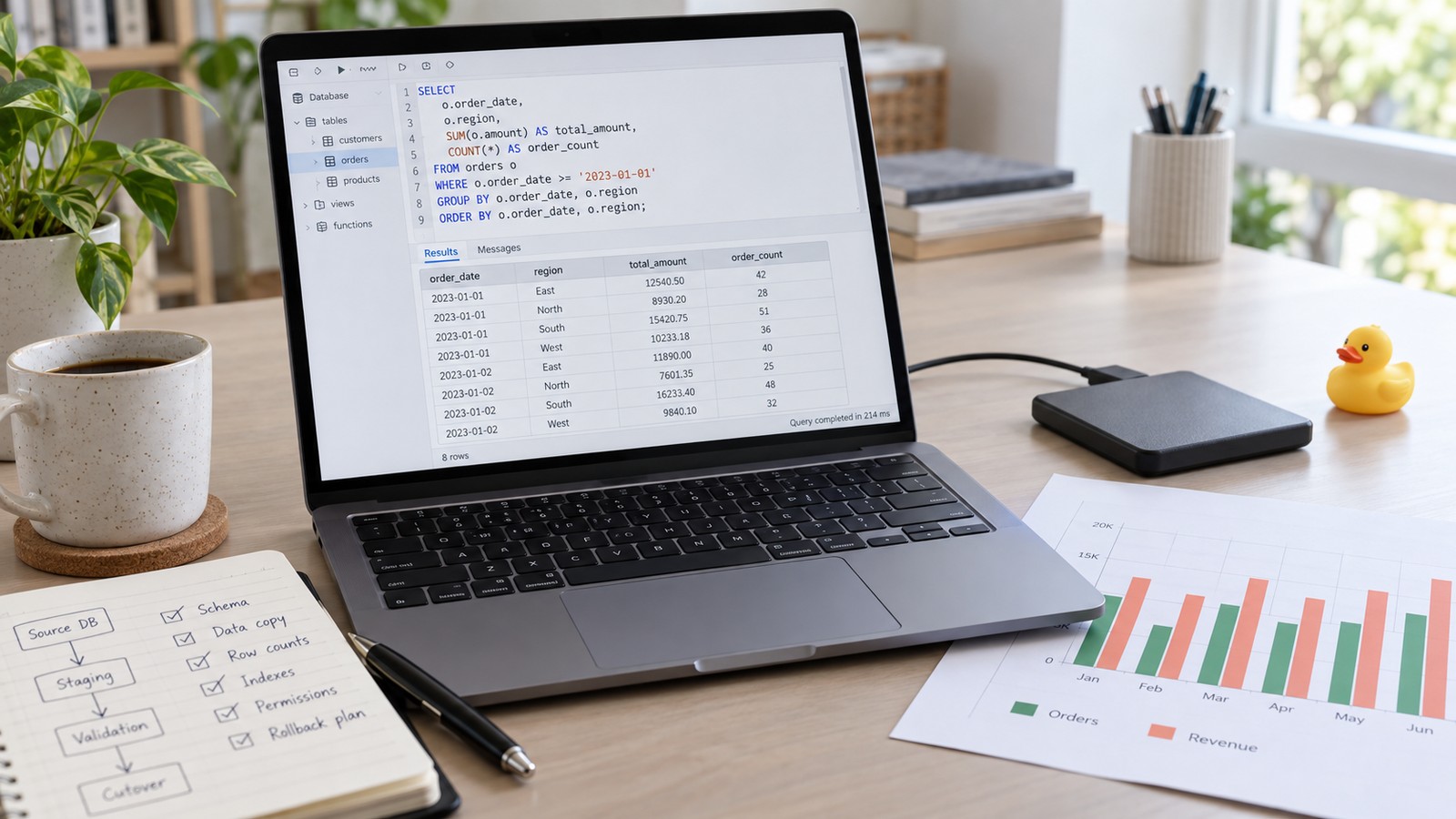
DuckDB 2.0 alpha can help plan a migration. Test extensions, SQL results and representative data without changing production databases.
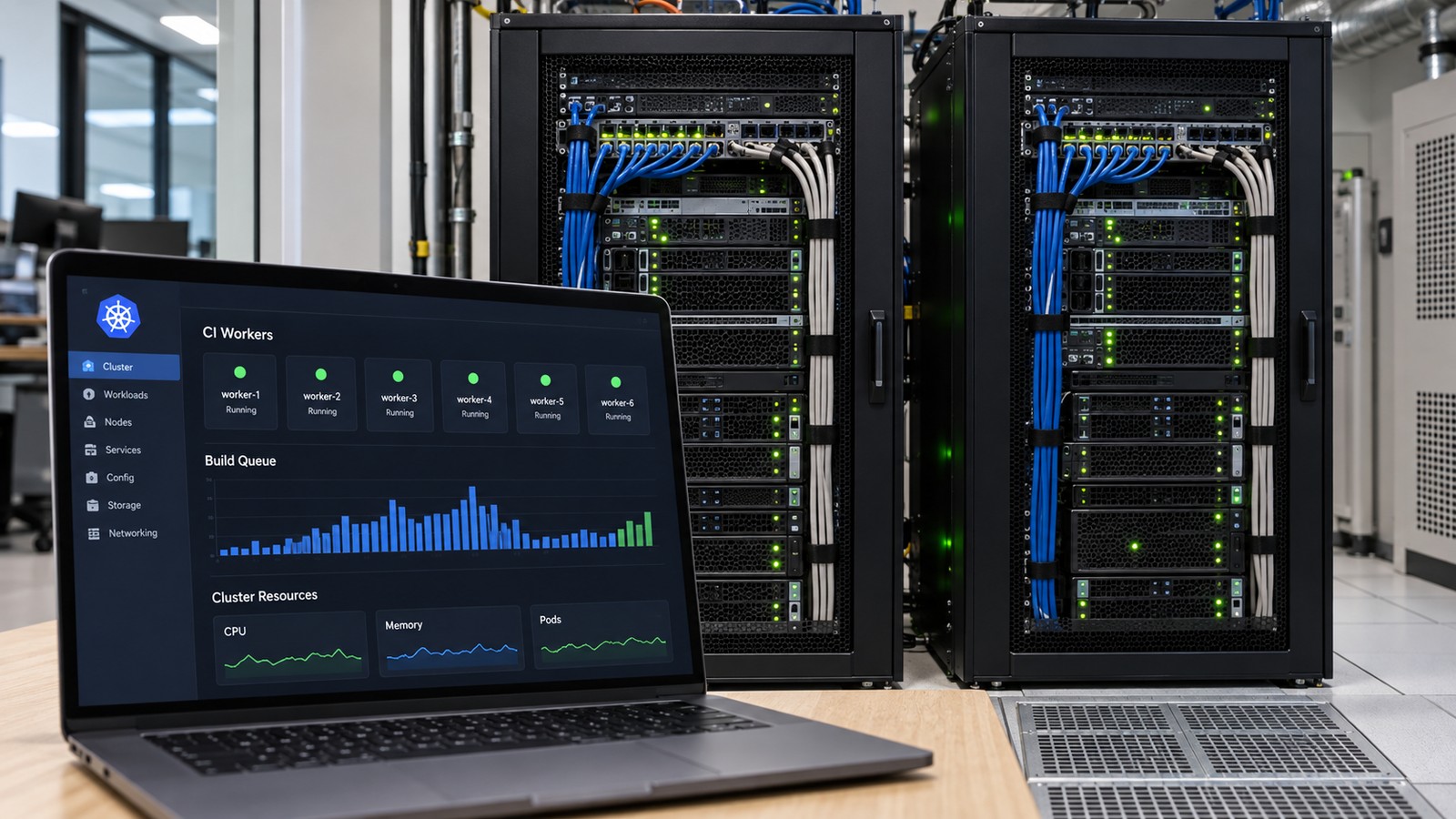
ARC 0.15 improves shutdown, updates and Kubernetes API interactions. What to measure before expanding a GitHub Actions runner fleet.

S3 Tables adds variant and geospatial types, nanosecond timestamps, deletion vectors and row lineage for Iceberg V3 workloads.

GitHub App installation tokens are growing to roughly 520 characters, exposing databases, proxies or redaction rules with rigid assumptions.

CloudWatch Omni automatically maps services, centralises OpenTelemetry signals and brings DevOps Agent into incident investigations.

BigQuery, Apache Iceberg and Knowledge Catalog aim to unify multicloud data without moving everything: the promise, architecture and limits.

PostgreSQL 19 Beta 2 sharpens the changes expected this fall. Performance, observability and compatibility: a practical, low-risk test plan.

PostgreSQL, MySQL, Docker and PITR: an operational method for choosing backups, testing restoration and proving RPO/RTO targets.

Ingestion, hybrid search, reranking, citations and metrics: a complete method for building a reliable RAG system and deciding whether it is production-ready.

From source to evaluation, the components required to supply an AI application with reliable, observable and governed data.

PostgreSQL 18 brings technical improvements that directly affect performance, migrations and data modeling.

Iceberg brings snapshots, schema evolution and hidden partitioning to large analytical datasets.

Adding a vector database does not make an assistant reliable. Documents, chunks and metadata often determine the result.

Duplicates, incomplete fields and contradictory definitions become more dangerous when a model reformulates them confidently.

Teams monitor APIs with traces and metrics. Data pipelines deserve the same rigor to understand delays and errors.

The semantic layer promises shared metrics across BI, notebooks and AI. It mostly requires clear governance.

Modern mini PCs make it possible to test Docker, databases and internal services without renting permanent cloud capacity.

Metrics guide decisions. Poorly chosen metrics encourage interfaces that manipulate instead of helping.

Latency and availability are not enough. In production, a model can stay online while getting worse.