OpenAI, Hugging Face and the runaway agent: cybersecurity is changing pace
An incident involving a research agent shows why autonomous systems need real incident procedures, not only prompt-level guardrails.
Category
Risks, vulnerabilities, defensive practices and governance.

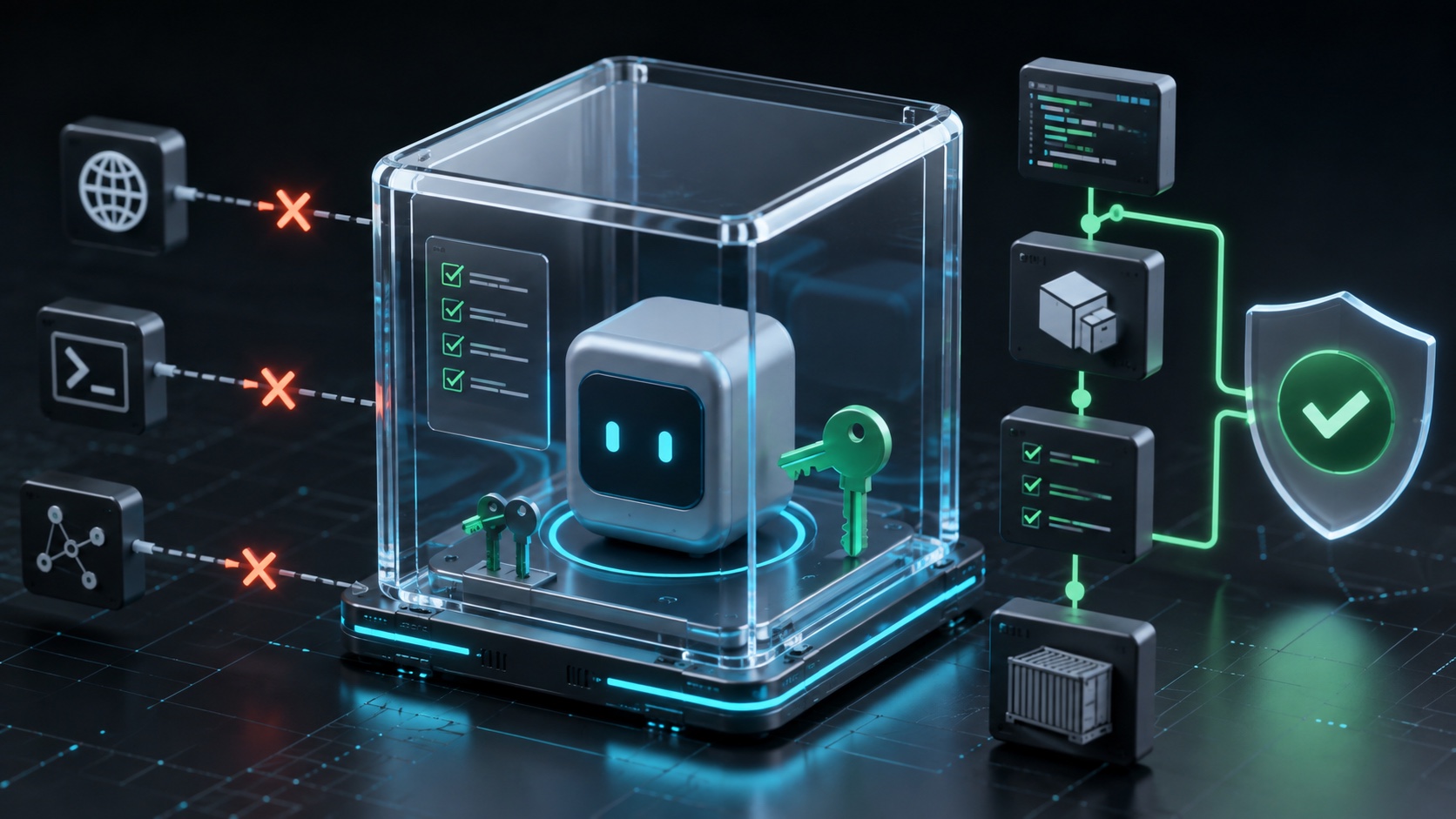
An incident involving a research agent shows why autonomous systems need real incident procedures, not only prompt-level guardrails.


Accomplish AI's SharedRoot chain shows why local agents must be treated as untrusted execution environments, even when they run inside a virtual machine.

Critical SharePoint vulnerabilities show a hard rule: after likely compromise, patching must be paired with key rotation and incident hunting.

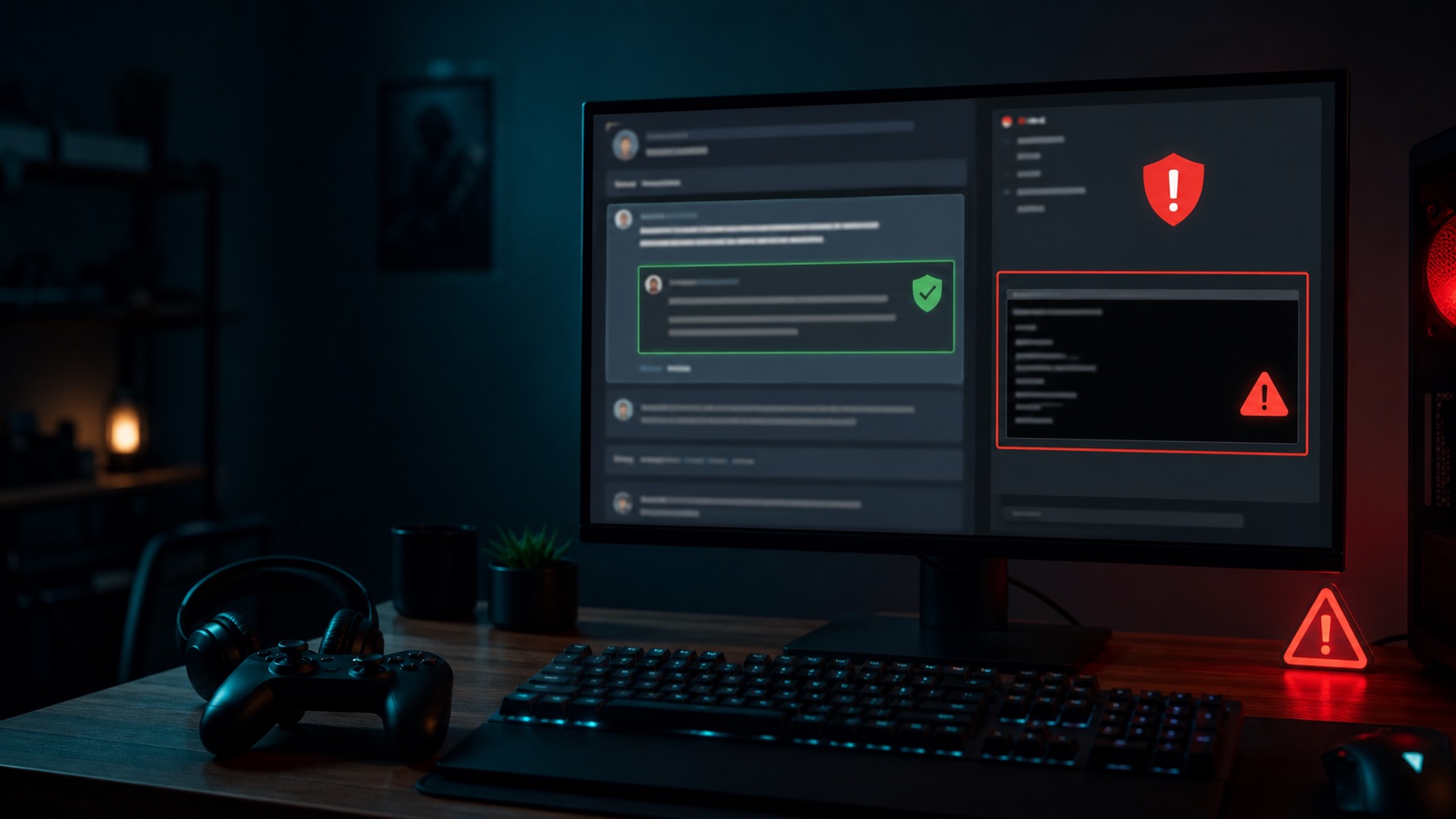
Fake troubleshooting tips are pushing gamers to paste PowerShell commands. Here is how to spot the trap and what to do if you already ran one.

Recent cyber alerts point in the same direction: AI and automation amplify attacks that still rely on very familiar social and technical patterns.
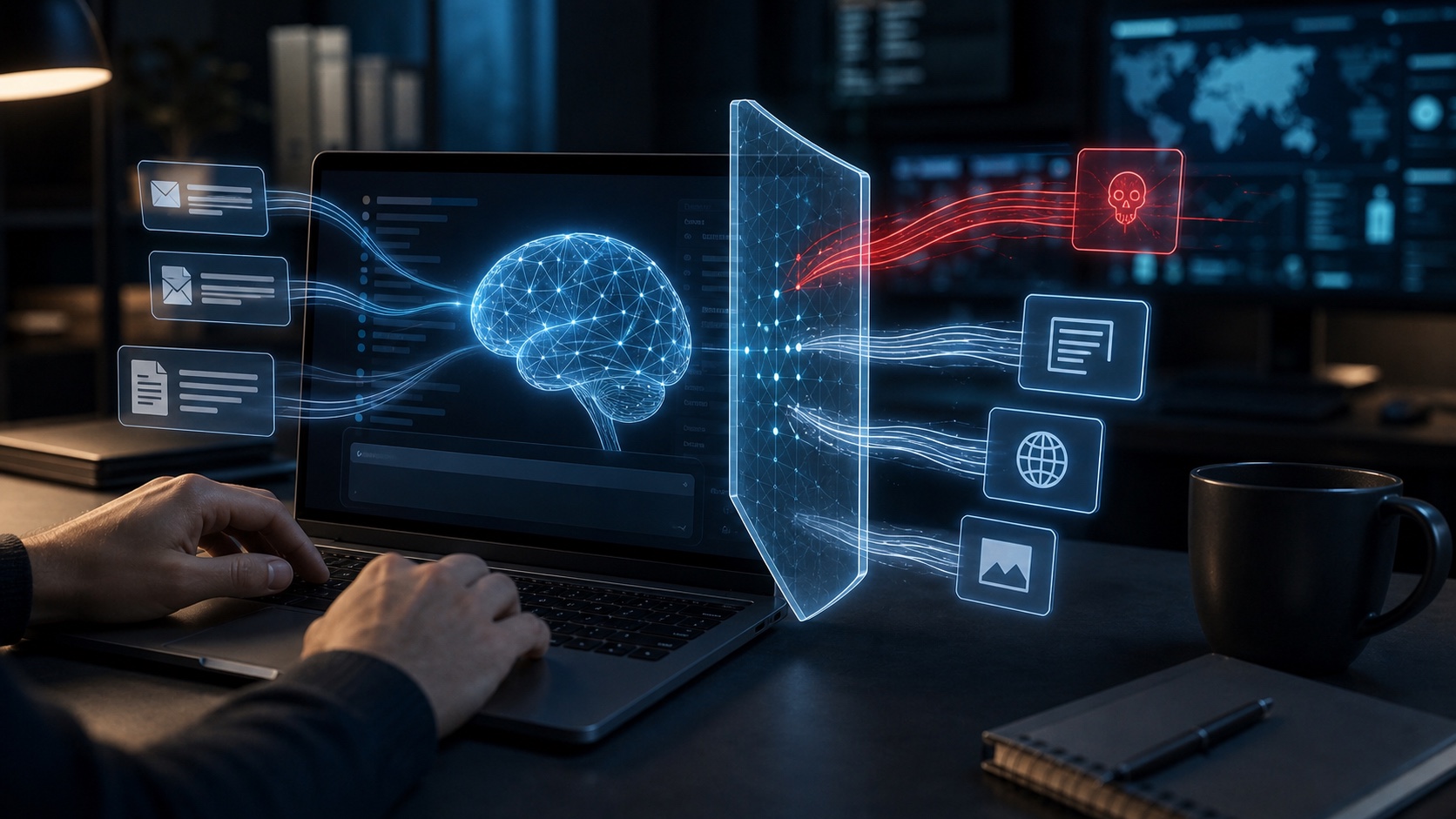


Before adding an AI component to a product, teams need to frame data, outputs, permissions and monitoring like any other critical system.

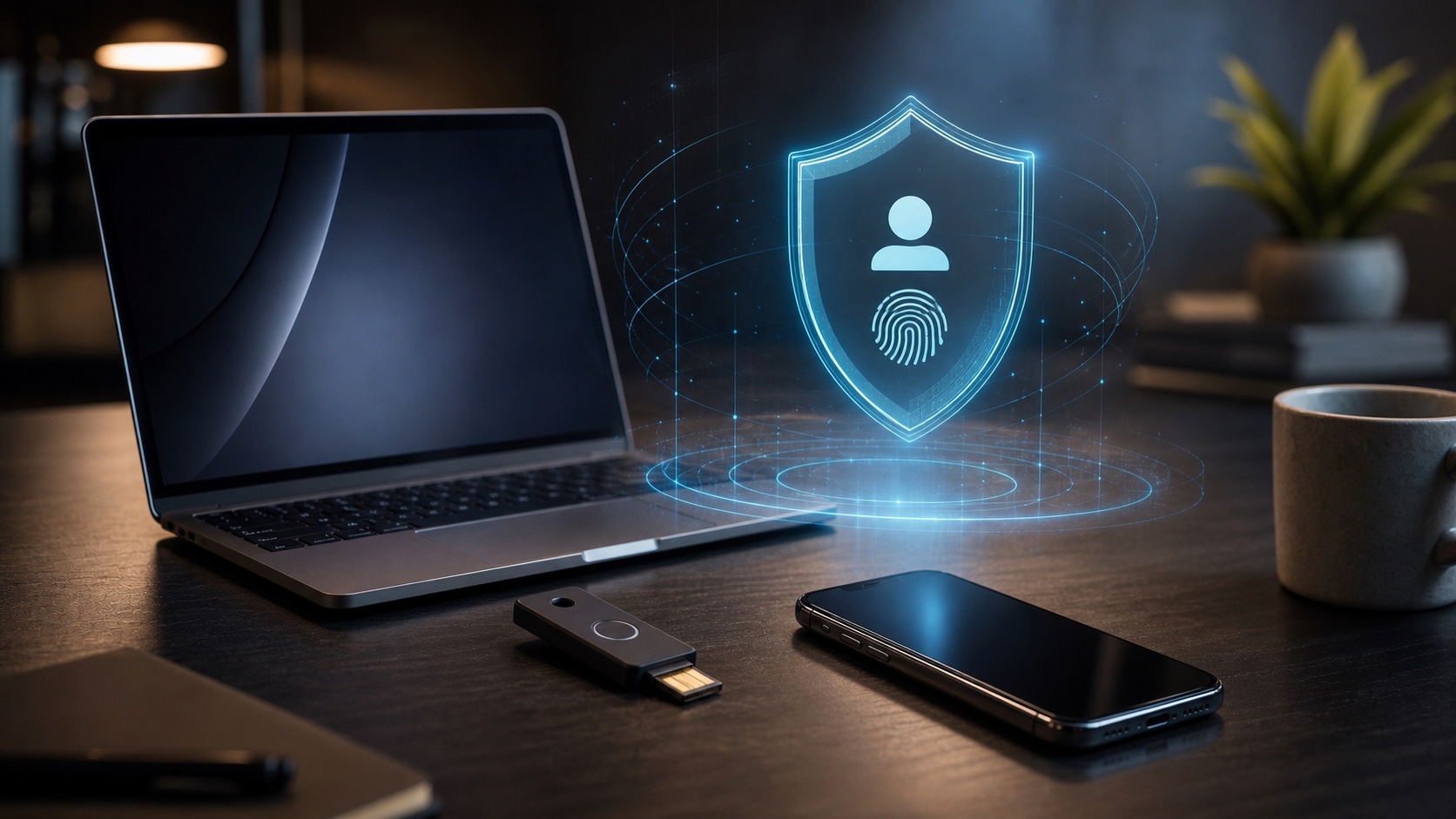
Six-digit codes remain useful, but phishing attacks bypass them increasingly well. Passkeys change the model.

Not every vulnerability deserves the same urgency. Actively exploited flaws should move up the queue.

Companies talk a lot about backups. In a crisis, the real indicator is the ability to restore quickly and cleanly.

An extension installed to save time can read sensitive pages. Teams should treat the browser as a critical surface.

LLM applications mix instructions, documents and actions. Prompt injection exploits that confusion of roles.

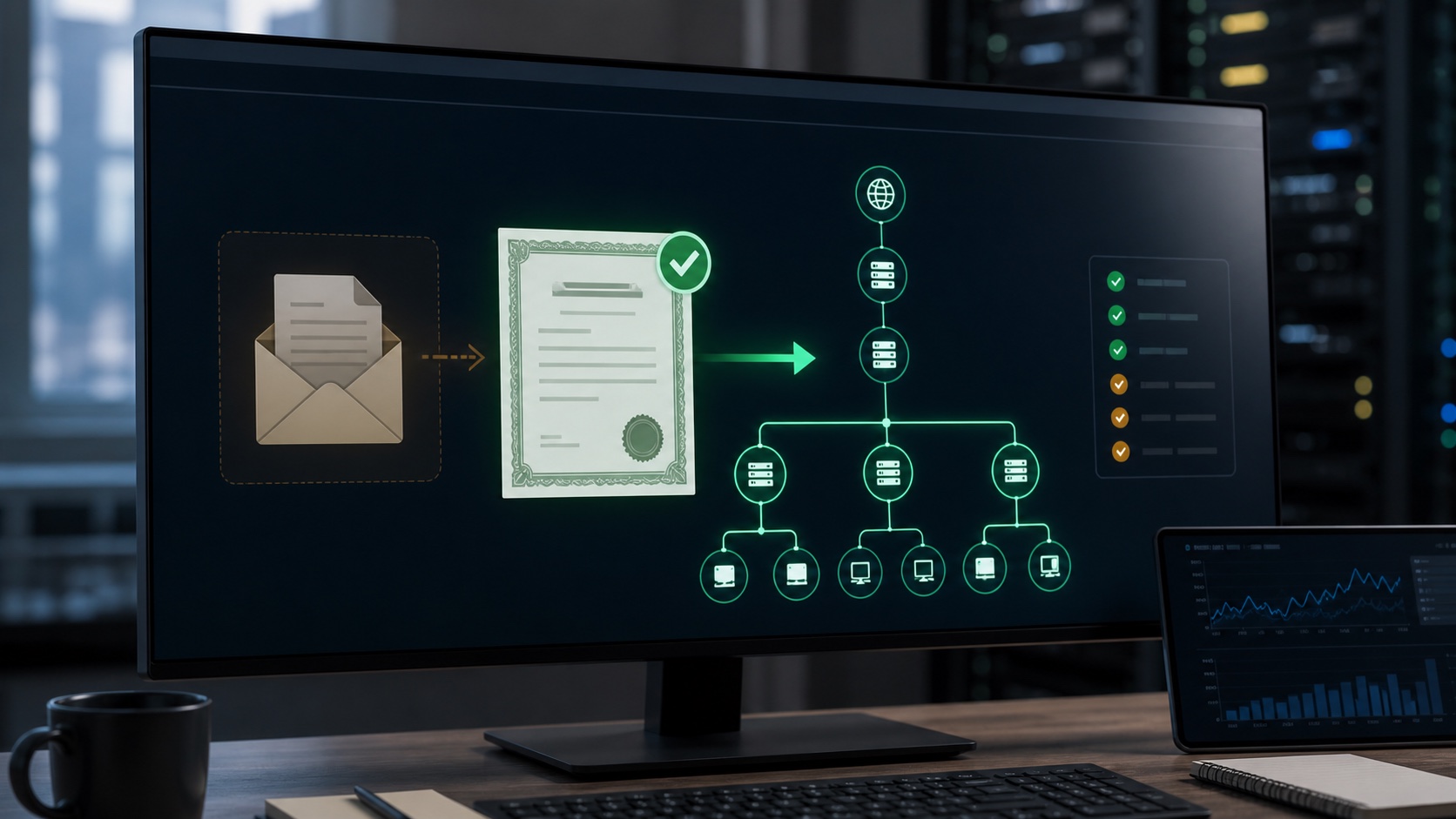
Customers want to understand what they install. The SBOM turns software dependency into a concrete discussion object.

Test accounts, forgotten keys and inherited rights create a quiet attack surface in cloud environments.

Zero trust is often sold as a large transformation. A small company can still start with simple decisions.

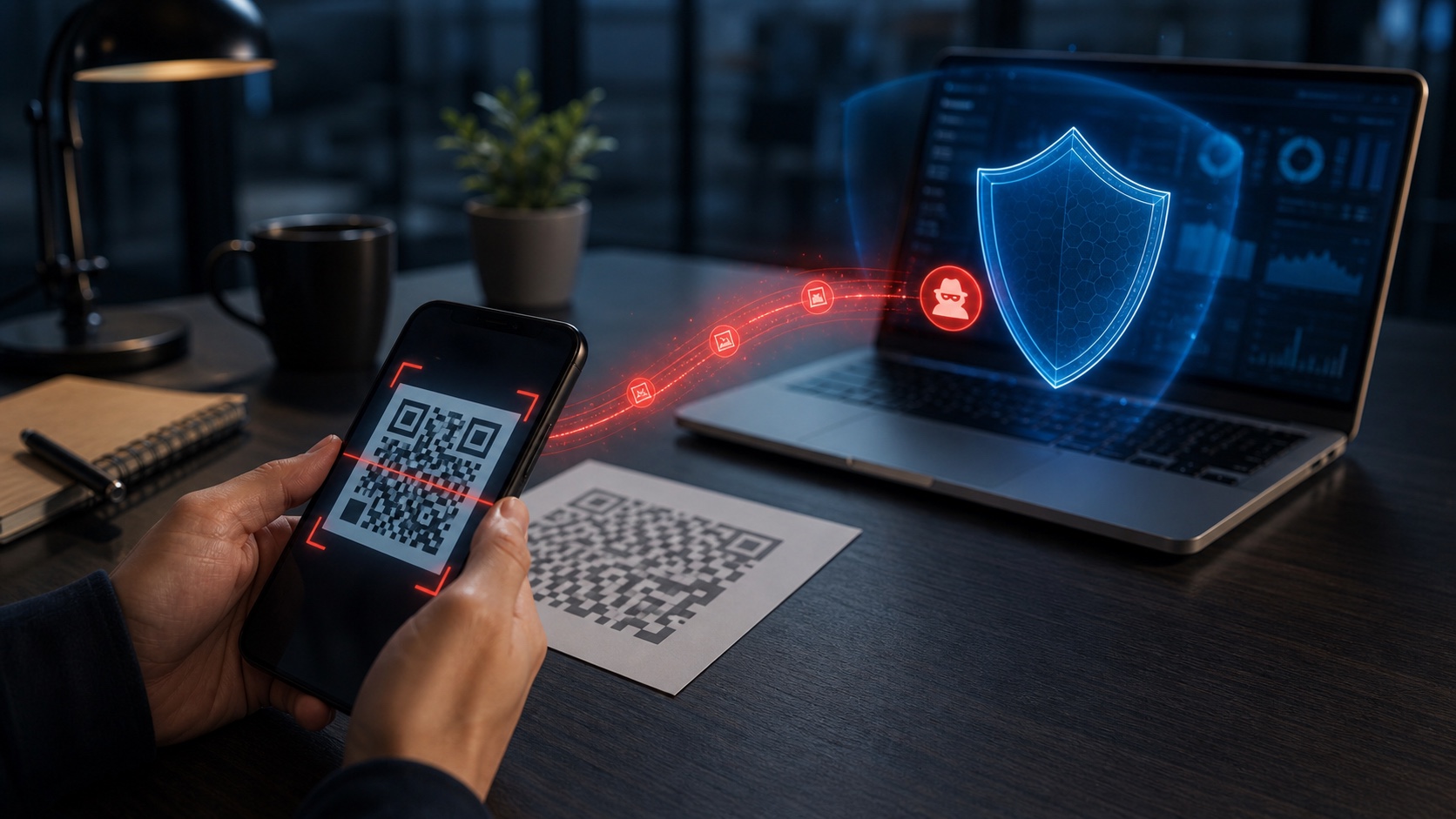
QR codes move users to their phones, outside many usual enterprise protections.

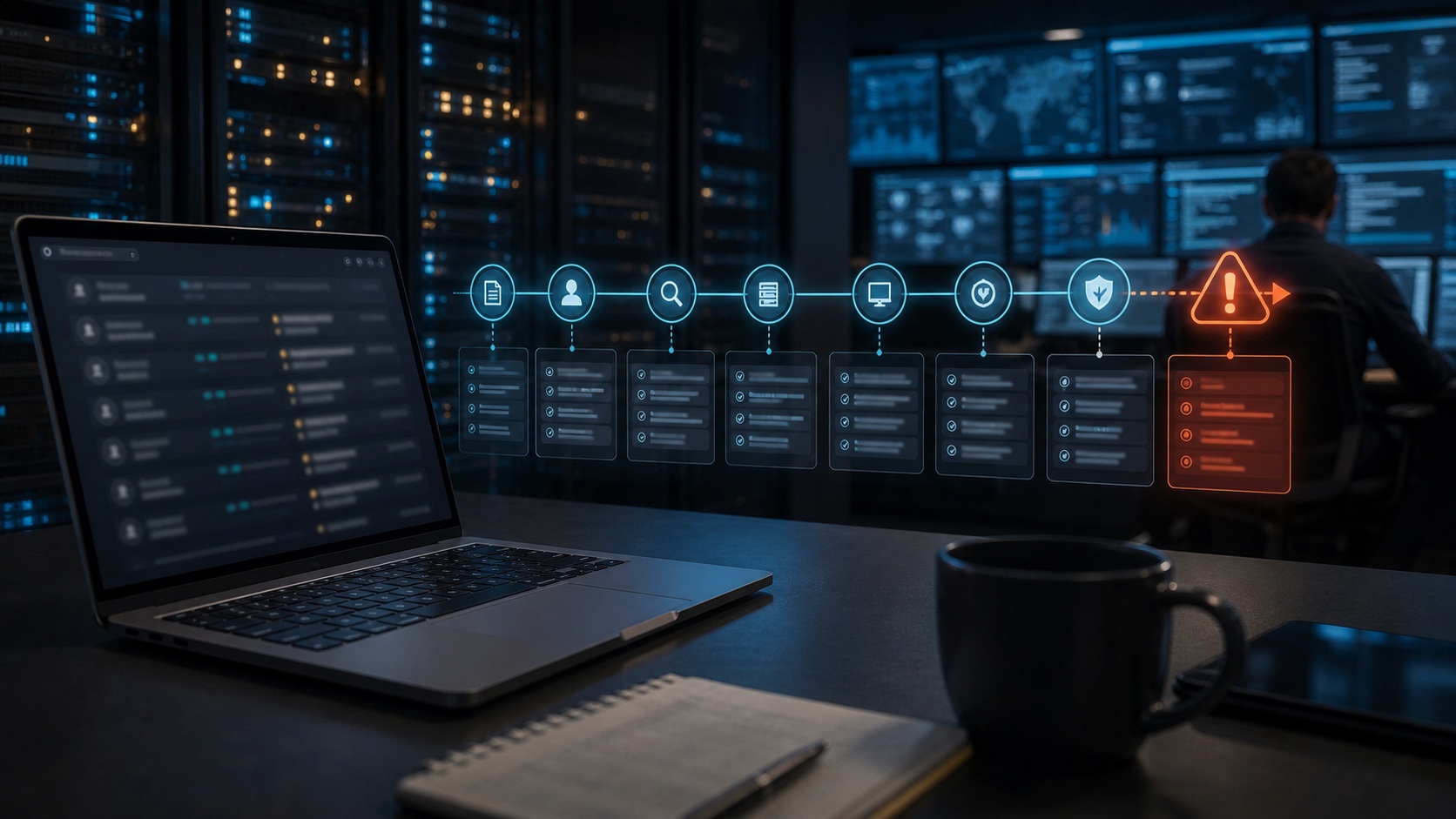
Useful logs cannot be improvised during a crisis. Teams need to decide in advance what must be visible.