
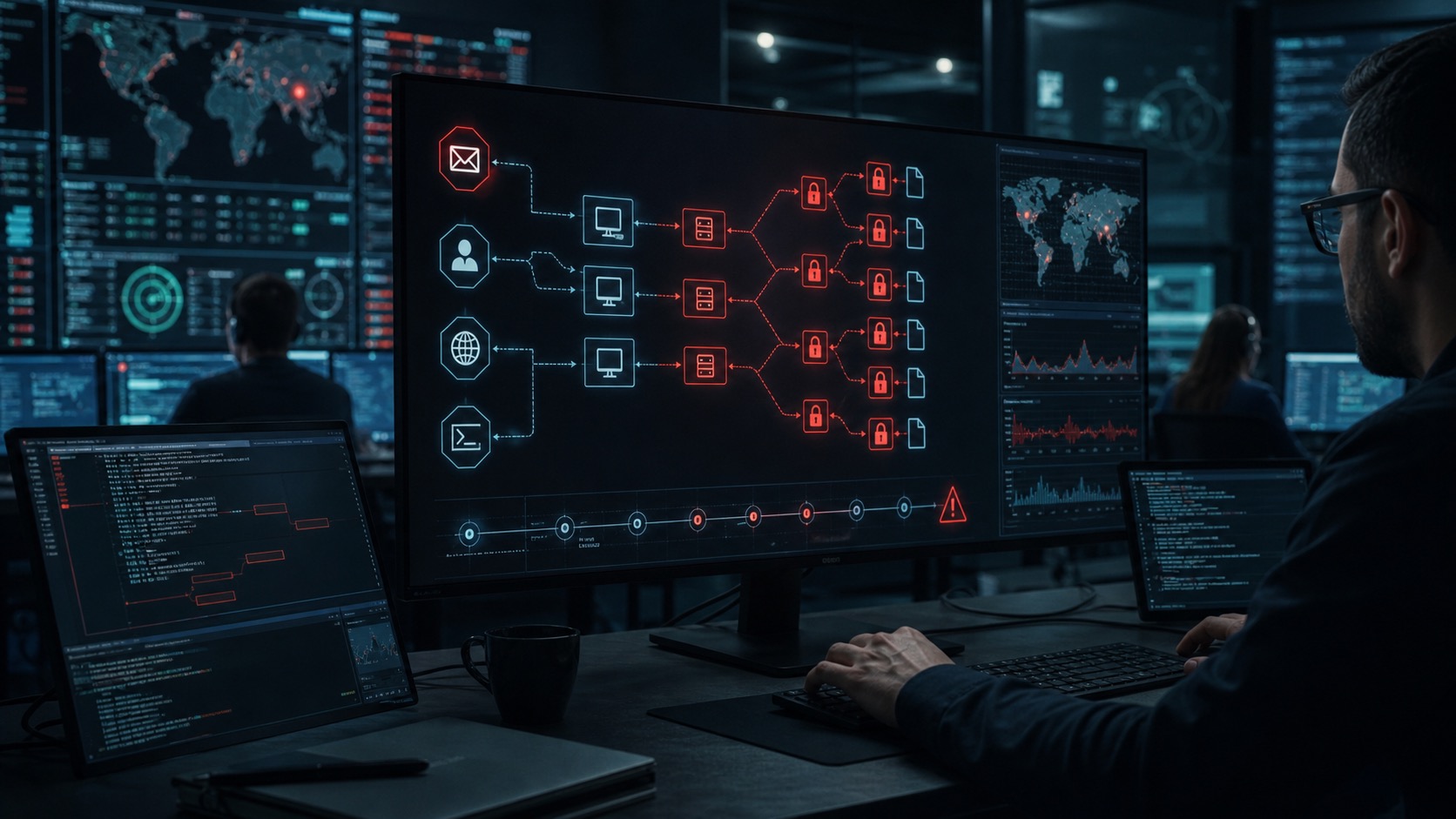
The most effective attacks are not always sophisticated at the entry point. ClickFix relies on an old mechanism: persuading users to run a malicious command themselves. The channel changes, scripts become industrialized, but the psychological mechanism stays simple.
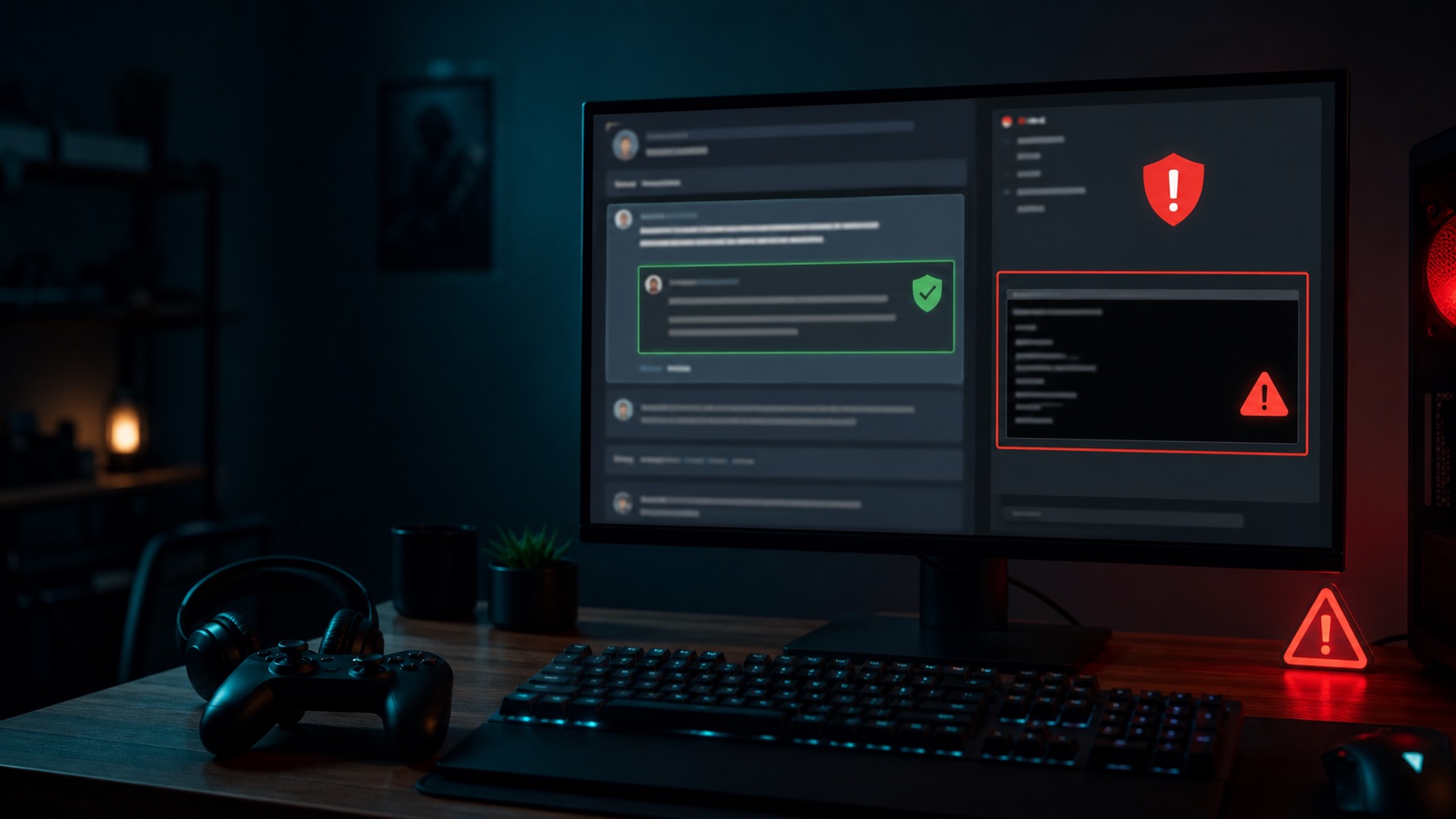
Reports around Steam forums show the pattern clearly. Fake accounts answer players looking for a bug fix, then offer a command presented as a repair step. The user thinks they are fixing a game; they are actually installing malicious payloads. The novelty is not the manipulation. It is its ability to spread quickly in spaces where trust often depends on peer support.
Why ClickFix works
ClickFix exploits a moment of frustration. A game does not launch, software throws an error, an account seems blocked. The user wants a quick fix and finds an answer that looks like a tutorial. The command feels technical, therefore credible. Risk is moved: instead of clicking an attachment, the victim becomes the operator of the attack.
That method bypasses some common safety reflexes. Many users know they should not open an unknown file. Fewer know that a PowerShell command copied from a forum can disable protection, download a script, add persistence or steal secrets.
Automation changes the scale
An attacker does not need a zero-day vulnerability to industrialize this type of campaign. They need credible messages, contextual answers and fast variants. Automation makes it easier to multiply accounts, adjust wording, translate instructions and test payloads.
Generative AI strengthens that dynamic. It can help write more natural messages, create fake support material, summarize forum discussions or personalize an answer from a specific problem. Even when humans still run the infrastructure, volume and speed increase.
Agentic ransomware pushes the logic further
Analyses of ransomware described as agentic point to another step. The idea is no longer only automating delivery, but also automating some decisions during the attack: interpreting an error, choosing an alternate path, exploring an environment, selecting a target or adapting an action sequence.
These systems are not magic. They still need prepared infrastructure, obtained permissions and classic components. But they reduce defenders' response window. An attack that automatically recovers after a failure leaves less room for manual observation.
What teams need to detect
Defense cannot rely only on known signatures. Teams need to monitor sequences: privileged shell launch, command copied from a browser, download from an unusual source, antivirus exclusion, scheduled task creation, secret access, document compression and encryption attempts.
Those signals are not always critical alone. Their combination should trigger an alert, especially on machines with admin rights, VPN clients, code repositories or cloud tools.
Awareness must become more concrete
"Do not click" is no longer enough. Users need to recognize dangerous gestures: copying a command into a terminal, disabling protection, running an unverified script, granting admin rights, installing a fix from a private message or following a procedure that bypasses official channels.
For gamers and employees alike, the practical advice is similar: use official fix pages, verify recent discussions, ask for confirmation before running a command and prefer a clean reinstall over an unknown one-liner.
Fundamentals still pay off
AI can make attacks faster, but it does not make fundamentals obsolete: least privilege, blocking unsigned scripts, properly configured EDR, tested backups, strict secrets management, separation between personal and work accounts, and monitoring of sensitive commands.
Cybercrime does not need entirely new methods to improve. It only needs to automate old reflexes with more speed, credibility and adaptation. The response should follow the same logic: fewer slogans, more observable controls and simple protective habits in the right places.

Join the discussion
Comments
Loading comments…