
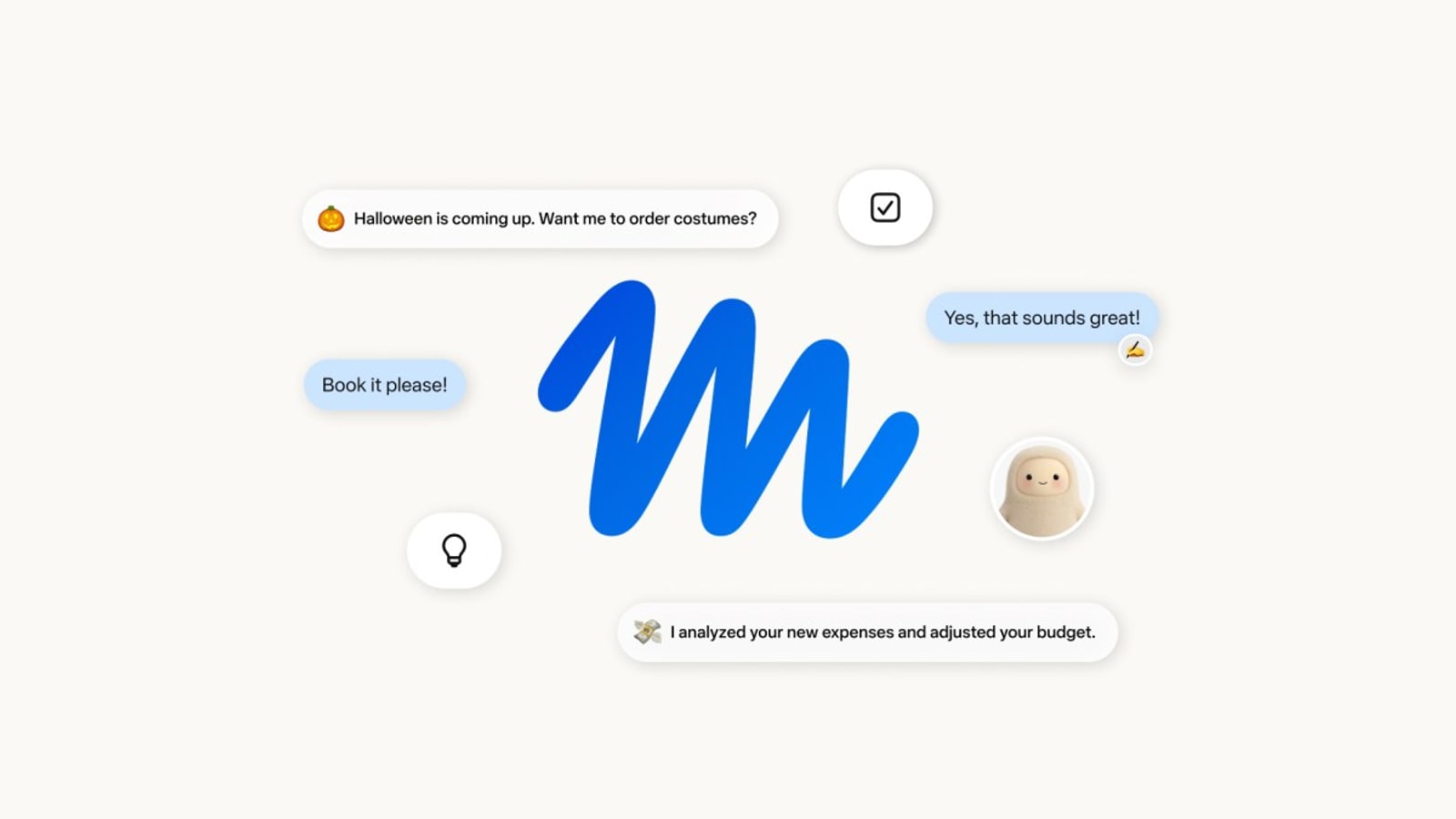
Meta is starting a US rollout of Muse, a personal agent available on iOS, Android, the web and WhatsApp. It can browse sites, complete forms, prepare a booking or send email.
Quick answer
| Question | Answer |
|---|---|
| Where is Muse launching? | Initially in the United States. |
| What can it do? | Research, forms, email, travel and some payments. |
| Does it act alone? | Meta says email, bookings and purchases require confirmation. |
From conversation to execution
Muse breaks down a goal and operates a remote browser. A travel request can become a schedule comparison and a form ready for approval. Autonomy raises the cost of errors, so dates, recipients and totals must be explicit before confirmation.
The announced security model
Meta runs tasks in a secure virtual machine and uses a Sentinel agent to monitor operations. Tool calls leave an audit trail. Those controls do not make the web trustworthy: malicious content can still try to redirect an agent, making permissions and confirmations essential.
Highly personal data
An agent sees travel, purchases, contacts and administrative intent. Meta says conversations may improve models depending on settings, while Muse content is not passed to advertisers. Users should review training controls and avoid unnecessary secrets.
The consumer test
Muse will be judged on ordinary work. It must fail safely, ask for clarification and preserve an understandable history. The US launch gives Meta time to evaluate those behaviors before any international expansion, which remains unannounced.



Join the discussion
Comments
Loading comments…