
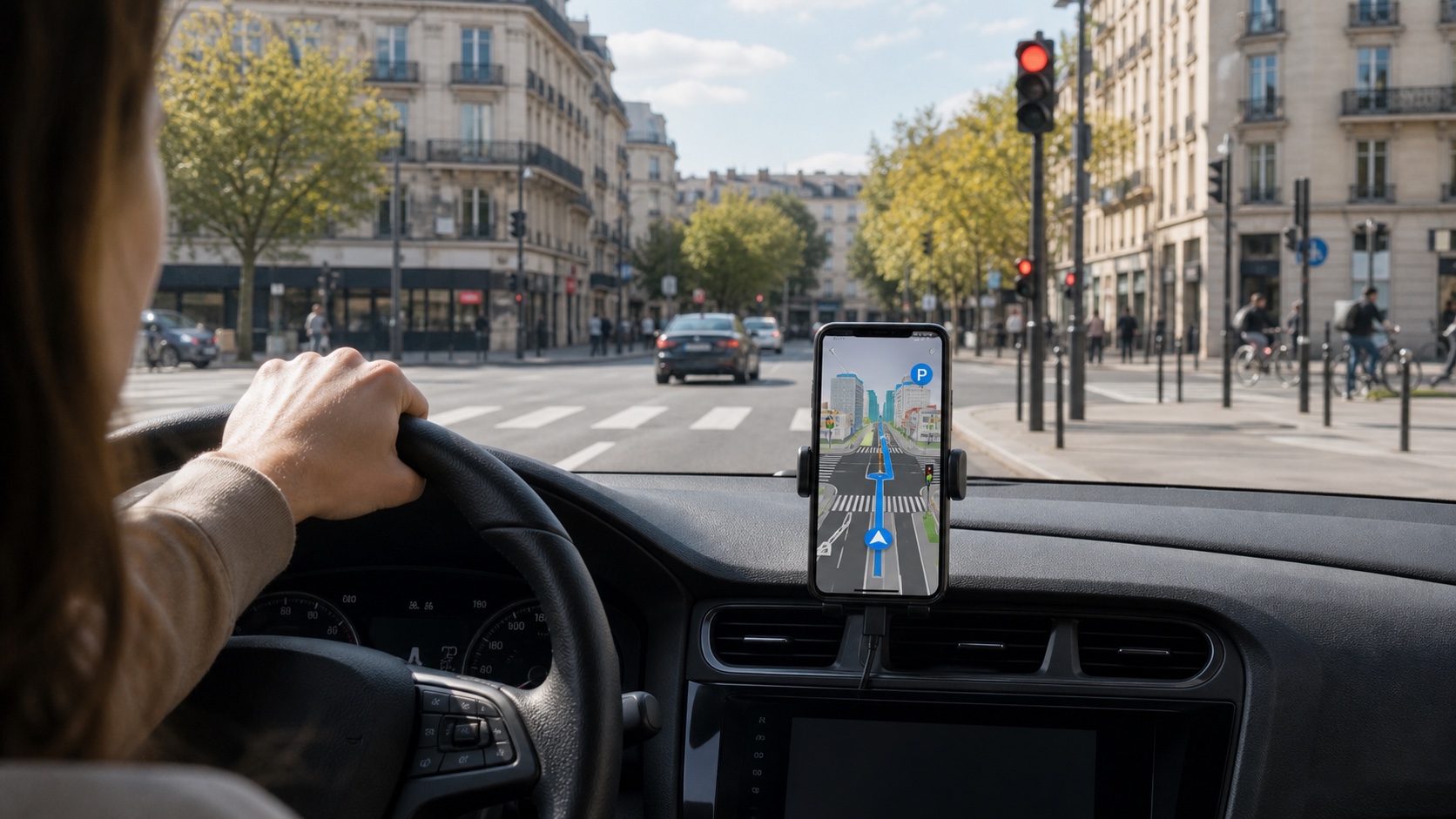
Google is adding two features that change Maps search and guidance. Ask Maps accepts conversational requests, while immersive navigation reconstructs the road in 3D with lanes, crossings, traffic lights and parking options. Rollout begins in the United States and India on Android and iOS, with desktop coming later.
The short answer
| Question | Answer |
|---|---|
| Does Ask Maps replace the search box? | It extends it for complex requests and follow-up questions. |
| Can it book a place? | Google lists actions such as booking, saving and sharing where partners support them. |
| Is 3D navigation available everywhere? | No. Coverage and rollout are gradual. |
| Which countries get it first? | The United States and India are the first announced markets. |
| Are answers always reliable? | No. Hours, prices and accessibility need direct verification. |
Asking for an outing instead of a place
Conventional search handles “Italian restaurant” well. It is less convenient for “a quiet restaurant open after the theater with vegetarian food and parking.” Ask Maps combines place data, public reviews and account context to propose an answer and accept refinements.
The result can be saved, shared or converted into a booking when integration exists. Maps is becoming a local agent that joins search and action. That convenience also makes it easier to accept a recommendation without reading the evidence behind it.
Reviews may be old, biased or tied to another season. For critical needs such as accessibility, allergies or charging, call the venue or inspect its official source.
A clearer but denser route
Immersive navigation shows more features matching the real road: building shape, lane choice, crossings, lights and landmarks. It aims to reduce hesitation at complex intersections by connecting instructions with what the driver sees.
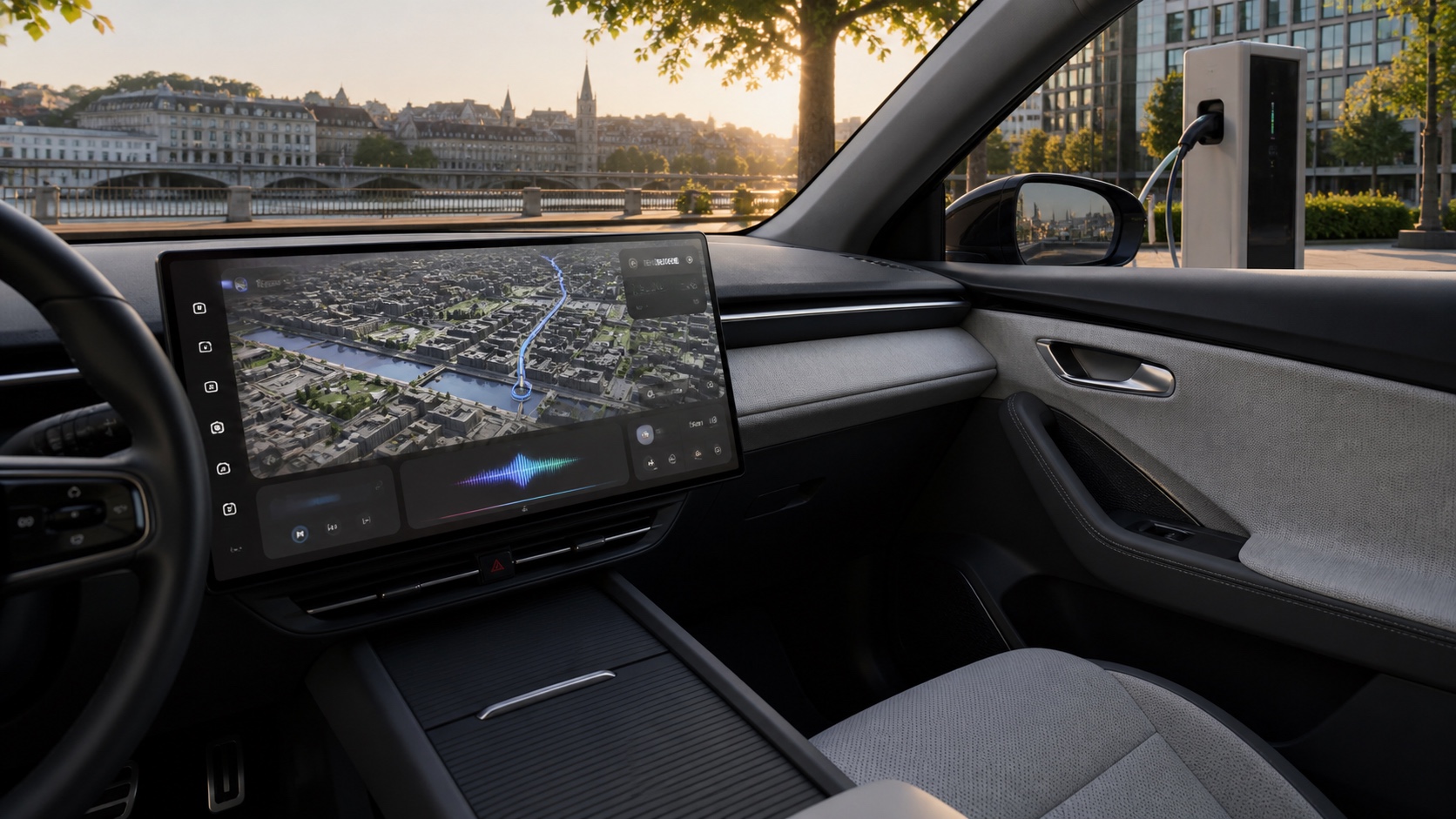
Google also plans to compare route tradeoffs and display parking near arrival. A rich view can become crowded on a small display, however. The interface must prioritize the immediate instruction over a constant 3D demonstration.
Guidance remains assistance. Temporary markings, construction and local authority decisions may differ from the model, and real signs take precedence.
Personalization and privacy
Maps can use saved places and account activity for personal answers. That improves relevance while concentrating more context about movement and preference. Users should inspect history, personalization and automatic-deletion settings.
Personalization may also reinforce routine. Explicitly asking for alternatives, another neighborhood or independent venues can diversify the result.
Is it worth waiting for?
Outside the first markets, Maps retains its current search, filters and guidance. The practical preparation is to keep the app updated, download offline maps before travel and check local availability rather than force a region change.
Ask Maps shortens the path from a complex intention to a destination, while 3D brings the map closer to the road. The improvement will matter if Google keeps sources, uncertainty and the essential instruction visible.
Join the discussion
Comments
Loading comments…