
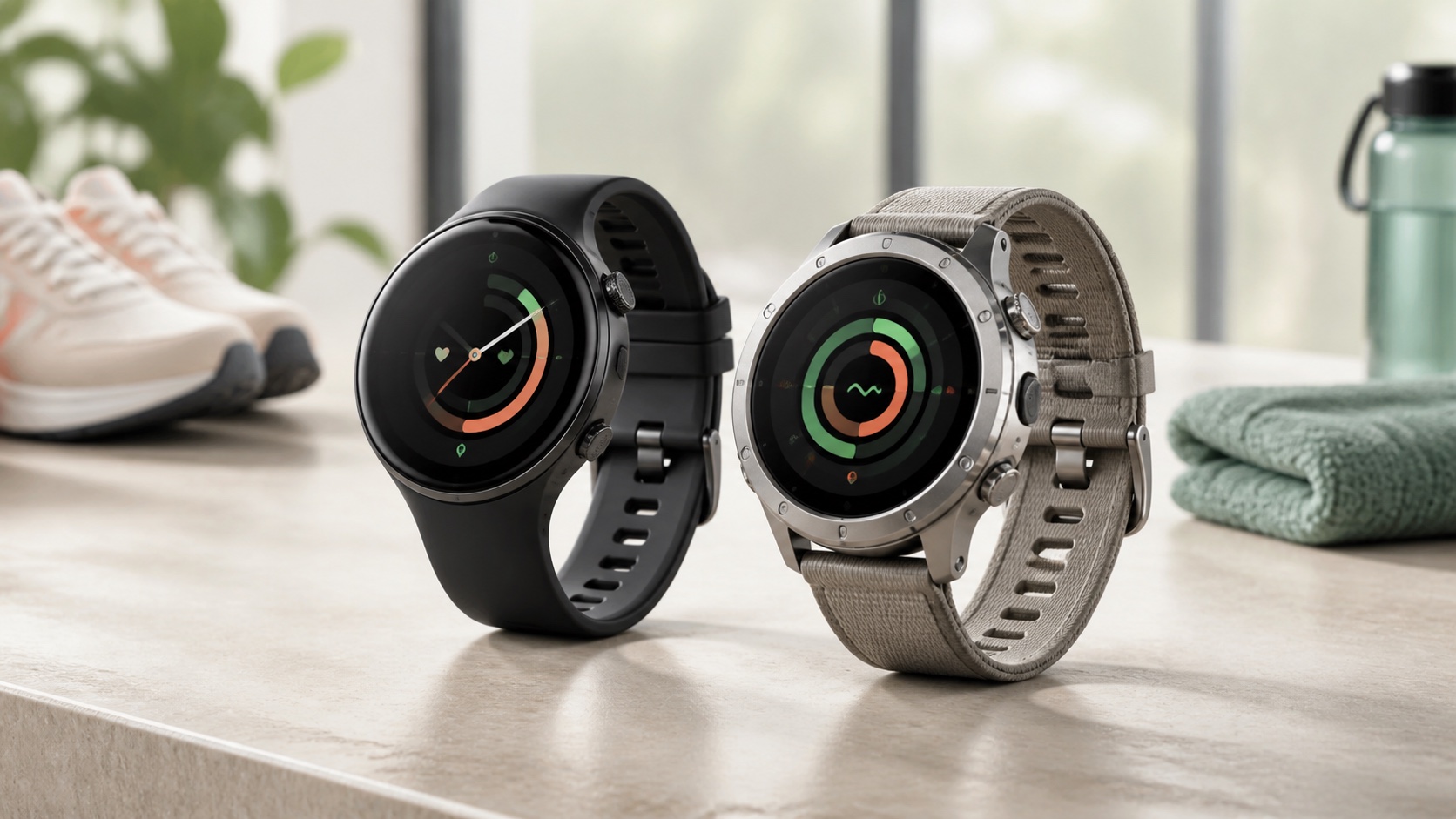
The Galaxy Watch9 wants to become a health companion worn day and night. Samsung highlights sleep tracking, sleep apnea signs, personal vitals, cardiovascular load and a heart health score, with recommendations built from BioActive sensor data. It comes in 40 and 44 mm sizes, while Galaxy Watch Ultra2 targets demanding sports in a 47 mm case.
More measurements can reveal trends and support a routine. They can also create anxiety, imply false precision or move sensitive information into poorly understood services. The buying decision should depend on measurement quality, battery life and data controls rather than the number of scores on screen.
The short answer
| Question | Answer |
|---|---|
| Who is Galaxy Watch9 for? | People tracking activity, sleep and recovery with Android, especially a Galaxy phone. |
| What is the main hardware change? | Snapdragon Wear Elite, a claimed 3,000-nit display and a case intended for comfortable overnight wear. |
| Can it diagnose a disease? | No. Consumer health functions do not replace clinicians or appropriate medical devices. |
| Must it be worn at night? | Yes for sleep and baseline features, provided comfort and charging make that realistic. |
| Should Watch8 owners upgrade? | Not automatically; compare local feature availability and current battery health. |
| Watch9 or Ultra2? | Watch9 for daily wellness; Ultra2 for battery, outdoor visibility and specialized activities. |
Overnight comfort matters more than sensor count
A watch can only analyze sleep when it stays on the wrist. Samsung keeps a rounded aluminum case and promises a closer, more natural fit. The 40 mm version carries a 390 mAh battery; buyers should compare the 44 mm separately because size, weight and capacity change the experience.
A large case may press against the wrist bone, while an overtight strap can irritate skin. A loose sensor loses consistency. Testing should include the position used for sleep, not just a few standing gestures in a shop.
Charging becomes a scheduling problem. If the watch needs power every evening, it misses the overnight data used by its headline features. Charging during a shower or breakfast may work, but only if it genuinely covers the next day.
Sleep data shows trends, not absolute truth
Watch9 estimates sleep stages from movement, heart rate and other indirect signals. It does not perform a full sleep laboratory examination. A restless night, loose strap, unusual temperature or tattoo can affect some readings.
Value comes from repetition. A drifting bedtime, several days of poorer recovery or more frequent waking may help identify a habit. Rebuilding a routine around one isolated score is less sensible.
Samsung also presents a feature that detects signs of sleep apnea, subject to regulatory approval and local availability. It is intended for adults, uses several nights and does not replace diagnosis. An alert should prompt a medical conversation; no alert does not guarantee that no disorder exists.
Vitals and Heart Health Score need explanations
Vitals tries to establish a personal baseline during sleep and flag significant deviations. That is more useful than applying one threshold to everyone: normal values vary with age, fitness, stress, illness and medication.
The risk is an overly reassuring composite score. A green indicator can summarize several signals without displaying uncertainty. Users should be able to inspect source measurements, time periods and missing data. One recommendation should not drive medical decisions or intense training without context.
Heart Health Score and Daily Cardio Load may help balance effort and recovery. They remain estimates. Chest pain, fainting or unusual shortness of breath requires appropriate care regardless of what a watch displays.
AI mainly turns curves into advice
Samsung calls several health functions AI-powered. Here, AI does not create a new biological signal. It combines measurements, compares them with history and presents a more accessible interpretation. Its value starts with sensor and data quality.
Personalized advice can help when it is specific, such as reducing load after several short nights. It becomes problematic when assumptions are hidden or correlation is treated as cause. Poor recovery may come from infection, travel, stress or a badly fitted sensor.
The best feature suggests a simple action and measures the result. Too many conflicting notifications and goals create fatigue, eventually teaching the wearer to ignore every warning.
Watch9 and Ultra2 serve different routines
Galaxy Watch9 comes in 40 and 44 mm sizes. Its display reaches a claimed peak of 3,000 nits, useful for viewing a map or workout outdoors. Snapdragon Wear Elite should improve responsiveness and efficiency, but actual endurance depends on GPS, LTE, always-on display and continuous measurements.
Watch Ultra2 uses a 47 mm titanium case, a display advertised up to 5,000 nits under certain conditions and the largest battery in the range. Samsung targets endurance and diving features developed with Mares. It should be easier to read and operate outdoors, while being more intrusive during sleep.
Paying for Ultra2 to count daily walks and notifications offers limited value. Someone using GPS for hours, wearing gloves or spending days away from power may benefit from its battery and physical controls.
Compatibility and availability require careful reading
Some features require a Galaxy phone, a minimum Android version, Samsung Health and an account. Others vary by country because they need medical authorization. A globally announced feature may not appear immediately on a watch bought in France.
Buyers should check phone compatibility, Bluetooth versus LTE, eSIM costs and update policy. A watch may technically work with Android while reserving selected measurements or interactions for Samsung devices.
Older models remain useful when their essential functions overlap. A healthy Watch7 or Watch8 can track activity and sleep without every new score justifying replacement. Battery degradation is often a stronger upgrade reason than processor speed.
Who can access the data?
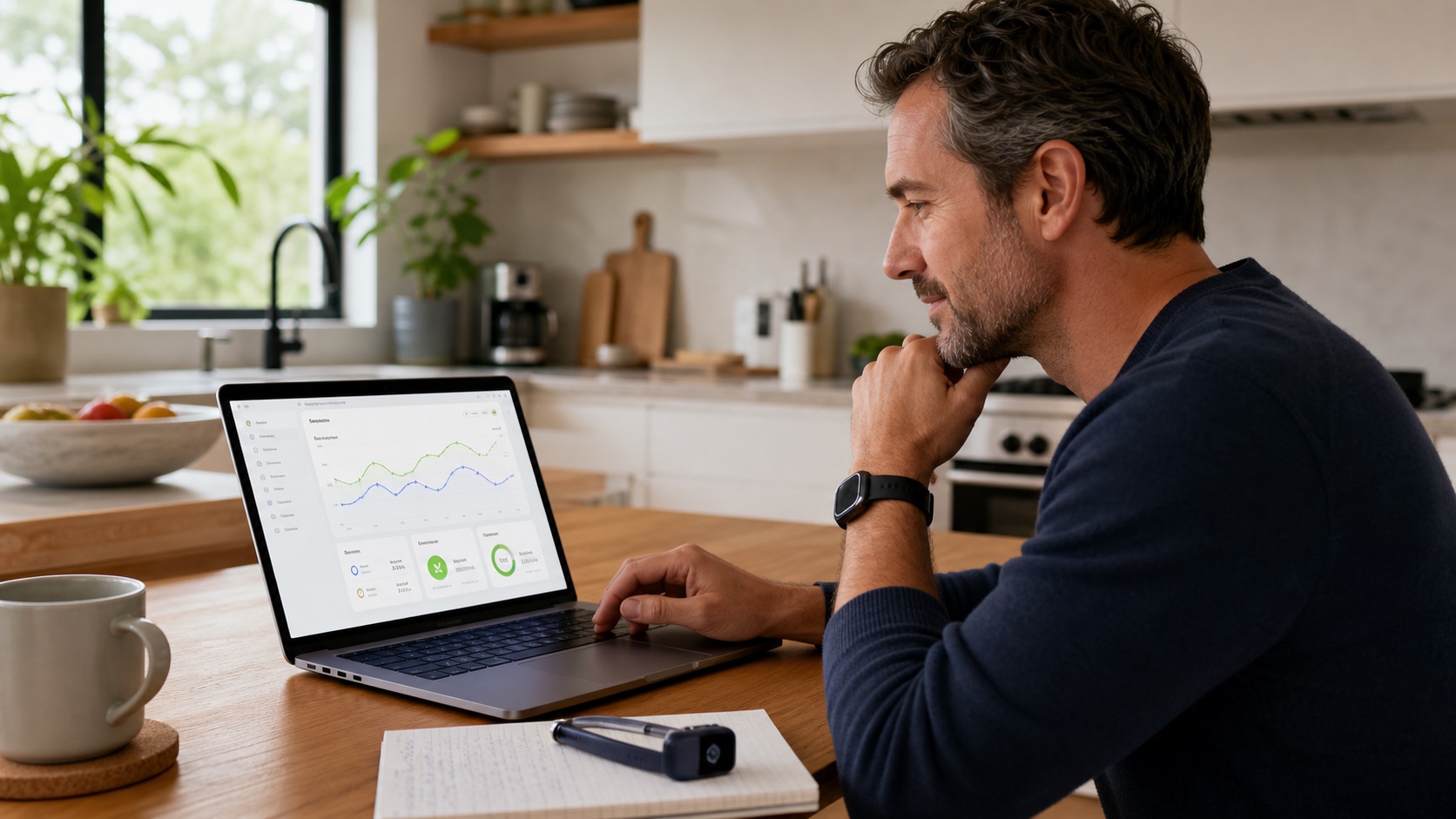
Continuous tracking creates an intimate history of sleep, heart rate, workouts, location and habits. Samsung Health permissions, third-party synchronization and cloud backups deserve review. A fitness app does not necessarily require every available measurement.
Exports and deletion should be tested before years of history accumulate. When changing phone or watch, users should know what transfers, remains and disappears. Sharing with family or a professional should be voluntary and limited to useful information.
Should you buy Galaxy Watch9?
Galaxy Watch9 makes sense for an Android user who wants regular tracking, accepts frequent charging and values Samsung integration. Its bright display, less imposing shape than Ultra2 and health summaries make it a routine tool rather than expedition equipment.
Owners of a recent generation can wait for battery comparisons and verify which features are active in their country. New buyers should begin with the size that remains comfortable at night, then compare scores and options.
A health watch is useful when it reveals change without pretending to replace judgment. Watch9 can provide that perspective if the wearer keeps control over alerts, data and decisions based on its estimates.
Join the discussion
Comments
Loading comments…