

A news site often depends on platforms: search engines, social networks, aggregators and recommendation feeds. These channels bring volume, but change quickly.
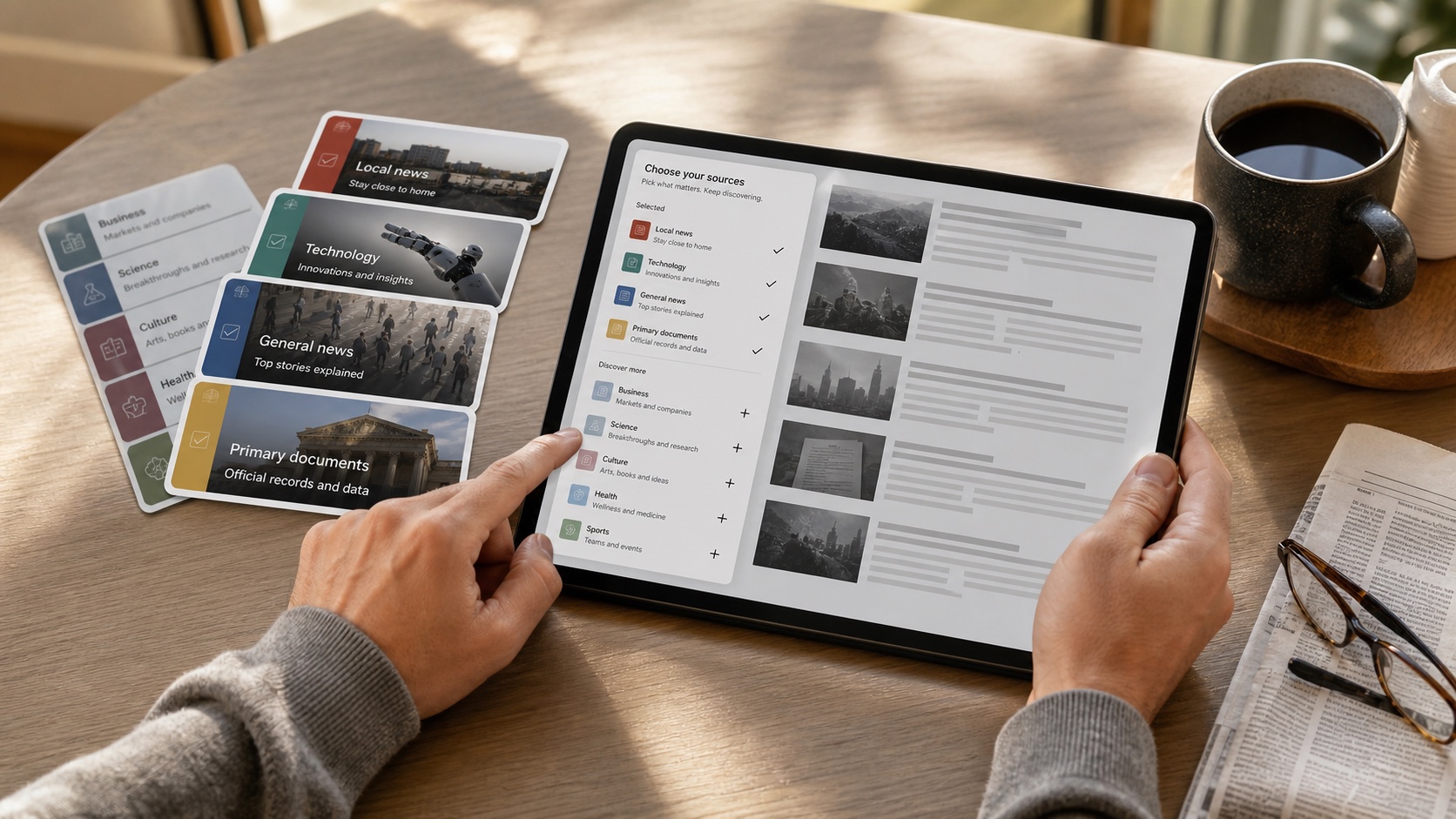
The newsletter remains a more direct channel. It builds habit, segments interests and brings readers back to important files.
What Is Changing
For tech media, this is not only marketing. A good newsletter editorializes monitoring, prioritizes signals and retains regular readers.
This subject is useful because it sits at the intersection of technical choices, product expectations and operational reality. The teams that make progress are rarely the ones that chase every trend. They are the ones that translate the signal into a smaller set of decisions: what to build, what to measure, what to document and what to stop.
Why It Matters
Choose a rhythm, an editorial promise, stable sections and measure useful clicks rather than opens alone.
In a daily workflow, the difference often comes from preparation. A clear owner, a short checklist, a measurable target and a rollback path turn a promising idea into something that can be operated. Without those elements, even a good technical choice becomes fragile.
What To Watch
The trap is sending an automatic feed without an angle. If the email looks like a compressed homepage, it adds little value.
The other weak point is communication. Users, buyers and internal teams do not need every implementation detail, but they need to understand what changed, what remains uncertain and where responsibility sits. That clarity prevents confusion when the system behaves differently from a classic tool.
A Pragmatic Method
The practical starting point is modest: choose one use case, define the expected result, measure the current baseline and introduce the new approach behind a controlled path. Then compare quality, cost, support load and user confidence before expanding.
For teams publishing or operating digital products, this also means keeping artifacts close to the product itself: release notes, help text, dashboards, test cases and incident notes. The more these elements live in separate documents, the harder they are to maintain.
Our Read
The newsletter is not an old channel. It is product insurance against platform volatility.

Join the discussion
Comments
Loading comments…