
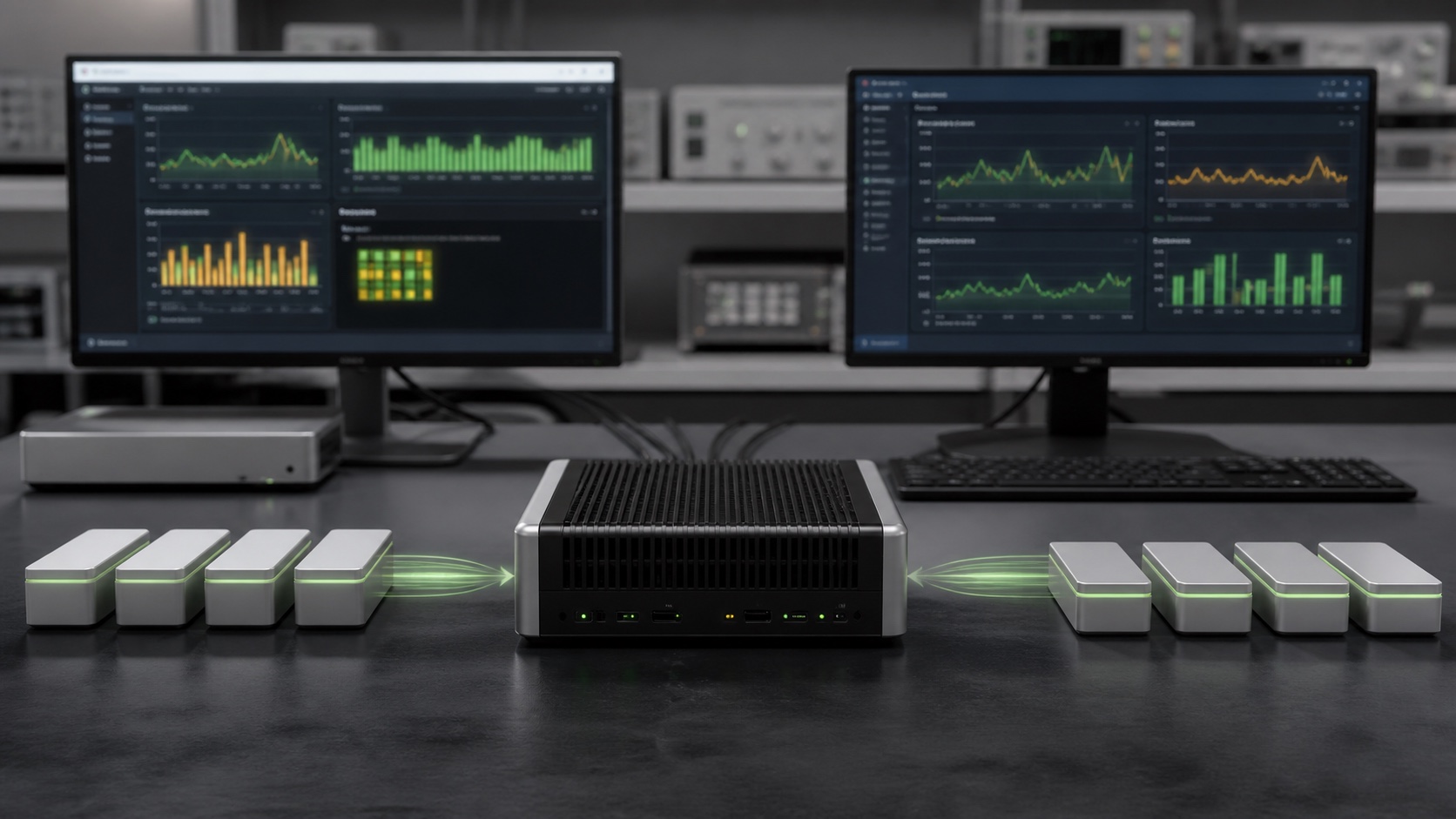
Docker has opened the public beta of a first-party VMM for Docker Desktop. Available from version 4.86 on Mac and Windows, the virtualization layer is intended to improve container startup, file sharing and memory reclamation.
The short answer
| Question | Answer |
|---|---|
| What is a VMM? | The layer creating and controlling Docker Desktop’s Linux virtual machine. |
| Which platforms? | Mac and Windows during beta; Linux is planned for general availability. |
| How is it enabled? | In Docker Desktop 4.86 or later under general settings. |
| When does it become the default? | Docker targets late October 2026 for new installations. |
Why Docker rebuilt this layer
Linux containers require a virtual machine on macOS and Windows. The VMM manages the guest kernel, memory, network and host file sharing. Latency there affects every build and Compose command.
Owning the layer lets Docker optimize it for short container lifecycles rather than general-purpose virtual machines. The company promises faster startup and better I/O, but the announcement does not provide one benchmark that applies to every configuration.
Workloads worth measuring
Test cold startup, docker compose up, an uncached build and the project test suite. Repositories with thousands of small files are especially sensitive to host-to-VM sharing. Measure memory after stopping containers and behavior after sleep as well.
A gain in one sample does not guarantee improvement for a database, JavaScript monorepo or native build. Retain the previous engine while comparing identical scenarios.
A beta remains a beta
Before switching a critical workstation, back up important volumes and confirm rollback. Containers are reproducible; local database data may not be. A Docker volume is not an external backup.
Check networking, VPNs, enterprise proxies, file mounts and multi-architecture builds. These areas exercise exactly the host-VM boundary being replaced.
Team rollout
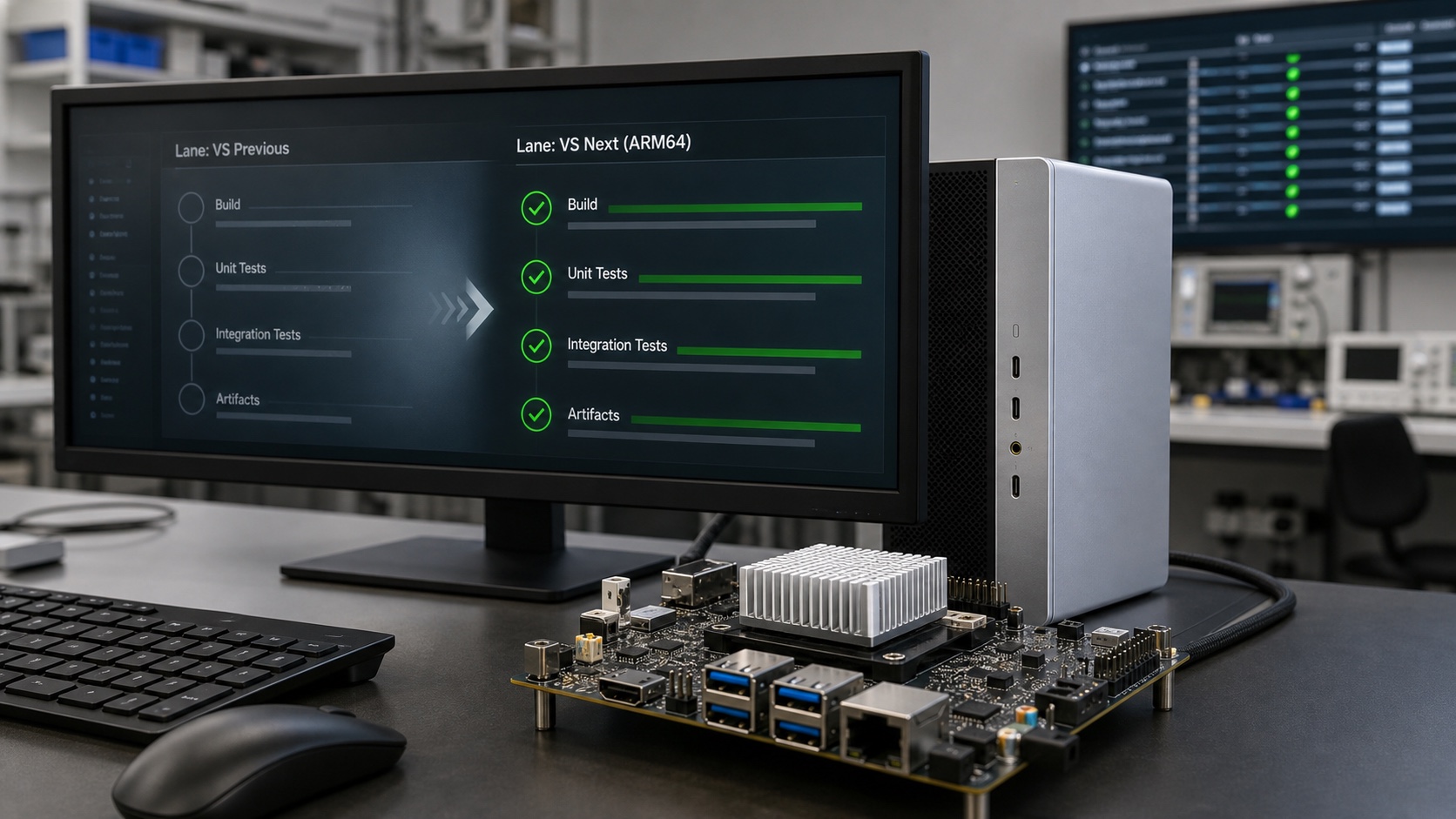
Do not force the engine onto every workstation after one test. Select representative projects, collect build times, incidents and resource use, then document the accepted Docker Desktop version.
Compose files and images should remain portable. If an application works only under the new VMM, identify the hidden dependency instead of treating it as optimization.
Docker VMM may improve a layer developers feel without seeing. The beta is useful for real measurements, but workload compatibility and stability need validation before it becomes a team standard.
Join the discussion
Comments
Loading comments…