

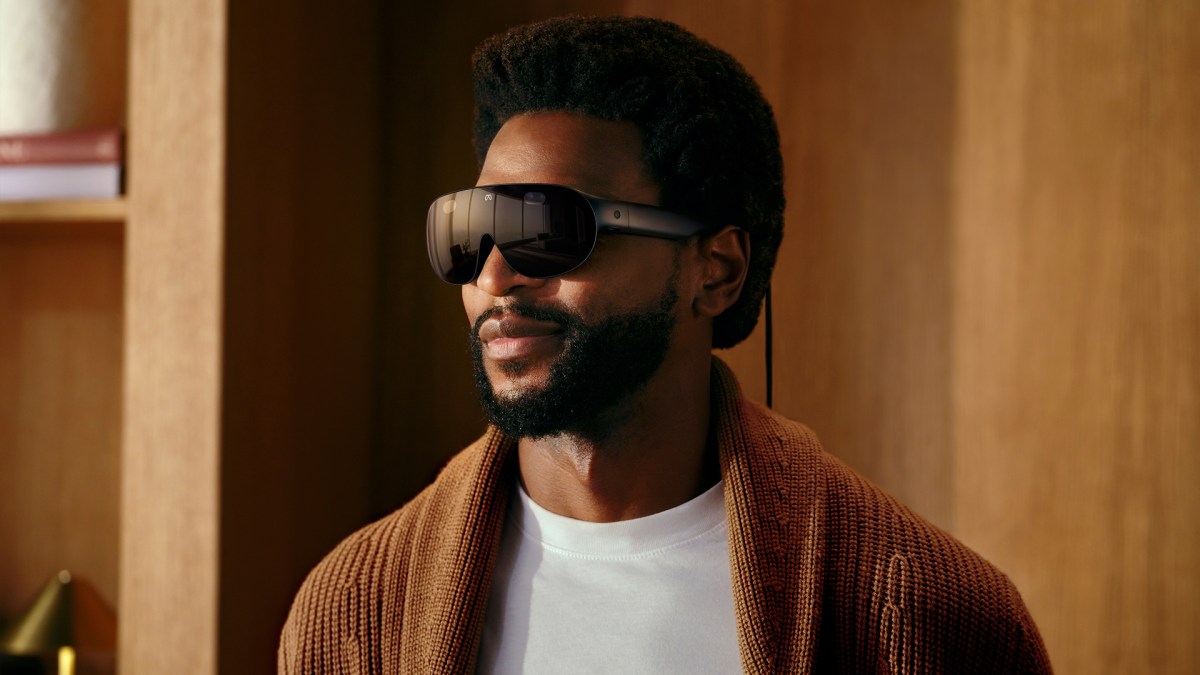
Meta and EssilorLuxottica have introduced Ray-Ban Meta Audio, glasses combining speakers, microphones and access to the Muse assistant in a lightweight frame. They target people who want music and calls without sealed earbuds.
The short answer
| Question | Answer |
|---|---|
| Do they have a camera? | The announced positioning focuses on audio and voice AI. |
| What can users do? | Listen to music and podcasts, take calls and speak with Muse hands free. |
| Do they isolate the listener? | Open audio preserves more awareness of the surroundings than in-ear headphones. |
Open audio as a compromise
Speakers direct sound towards the ears without blocking them. This preserves awareness in a street or office, but usually offers less isolation on a train and may leak conversations at high volume. Real quality will depend on ambient noise and frame fit.
Muse available by voice
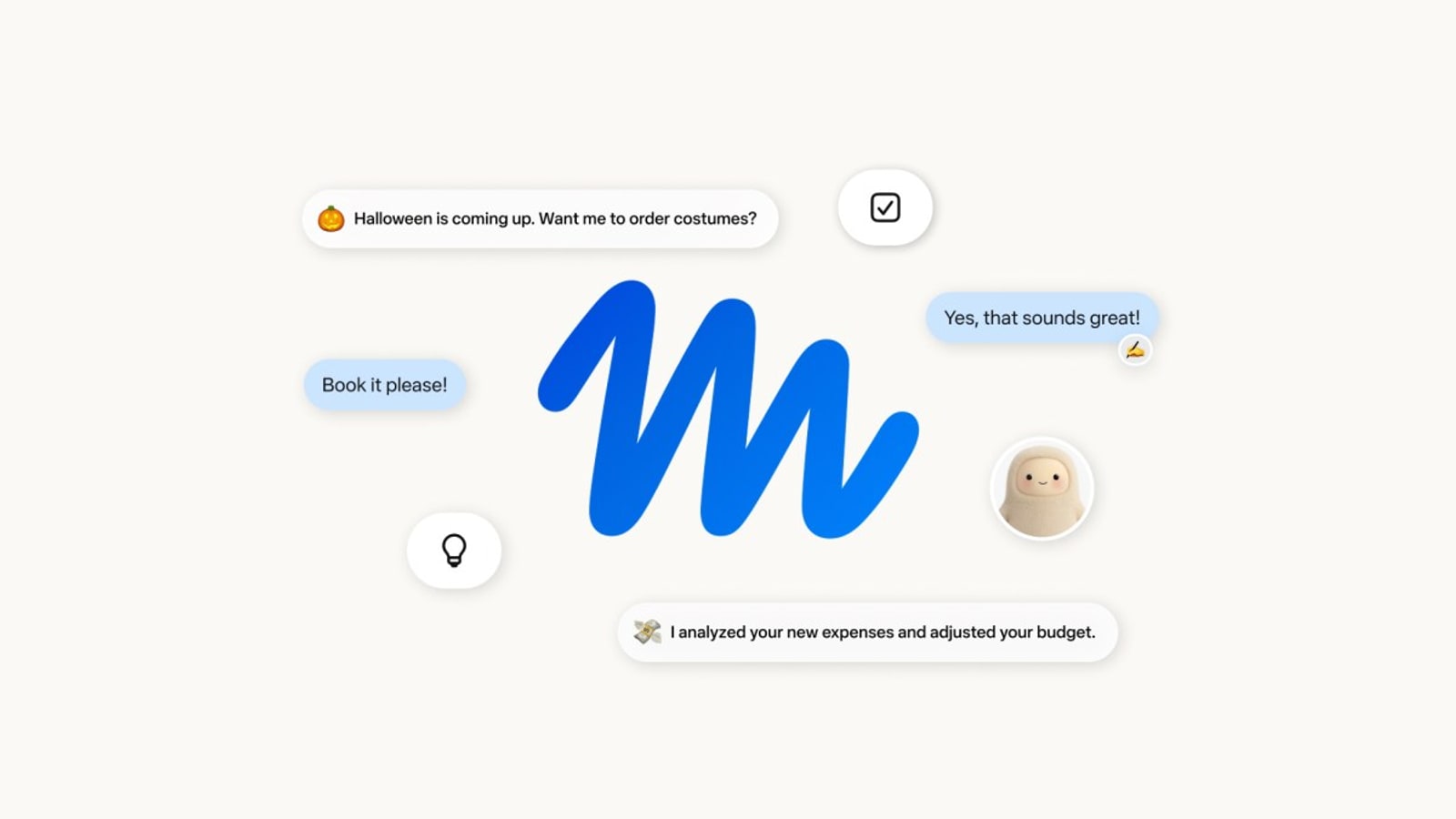
The assistant is designed to answer, sustain a conversation and perform tasks without the phone leaving a pocket. No display reduces visual overload, but makes confirmation more important: a purchase, message or appointment must be clearly reviewed or acknowledged.
Glasses must remain wearable first
Meta calls this its lightest and slimmest pair. For something worn for hours, weight, heat, battery life and prescription-lens support matter more than an AI demonstration. The charging case and resistance to rain will also shape daily use.
Privacy and social rules
Even without a promoted camera, readily available microphones raise questions about activation and recording. Users need to know when Muse is listening, where a request goes and how history can be removed. In shared spaces, audio discretion is not only technical; it also affects everyone nearby.

Join the discussion
Comments
Loading comments…