

Browsers now carry much of the working day: business applications, authentication, documents and AI tools. Yet their management can remain less deliberate than the management of the computers themselves. Firefox Enterprise, introduced on October 12, brings that layer into the discussion about technological dependency.
The decision is not merely whether to install another browser. It is about who operates the environment, which rules apply and how easily an organisation can change direction later.
A customer-operated management console
Mozilla describes an offering combining Gecko-based Firefox with a management console customers can run on their own infrastructure. It covers browser policies, access, data movement and AI controls, with integration into existing identity, SIEM and MDM systems.
The initial commercial focus is France, Germany, Austria and Switzerland. Mozilla also says Thunderbird Enterprise is in development; that should not be confused with an already delivered email product.
Operational autonomy needs testing
Our assessment: hosting a console is only part of control. Someone must update it, preserve its configuration and understand what happens when it becomes unavailable.
Before a pilot, ask which components need external connectivity, what data is retained and how policies can be exported. Those answers matter more than a broad promise of sovereignty.
Assign an operational owner as well. Bringing management in-house creates concrete responsibilities for patching and service continuity. Those responsibilities belong in the project budget, not in an informal assumption that the existing team will absorb them.
Start with the hardest business journeys
We recommend testing the applications most likely to complicate a migration: authentication, video meetings, document downloads and essential extensions. Include the employees who actually depend on those workflows.
Document each incompatibility, its impact and the proposed workaround. Some machines may still need a secondary browser. A visible, reviewed exception is better than a hidden workaround that gradually becomes the real production system.
Accessibility and support deserve equal attention. A useful policy should be explainable to employees without requiring them to understand the complete architecture behind it.
Compare dependencies rather than slogans
The useful question is not whether Firefox Enterprise eliminates every dependency. No browser can. Compare the dependencies that remain, the compatibility of your applications and the effort required to operate the solution.
Our earlier article covered Firefox's redesigned interface. This announcement addresses a different audience: organisations that want to treat the browser as managed infrastructure. A measured pilot can show whether the alternative works in practice rather than simply matching a preferred brand.
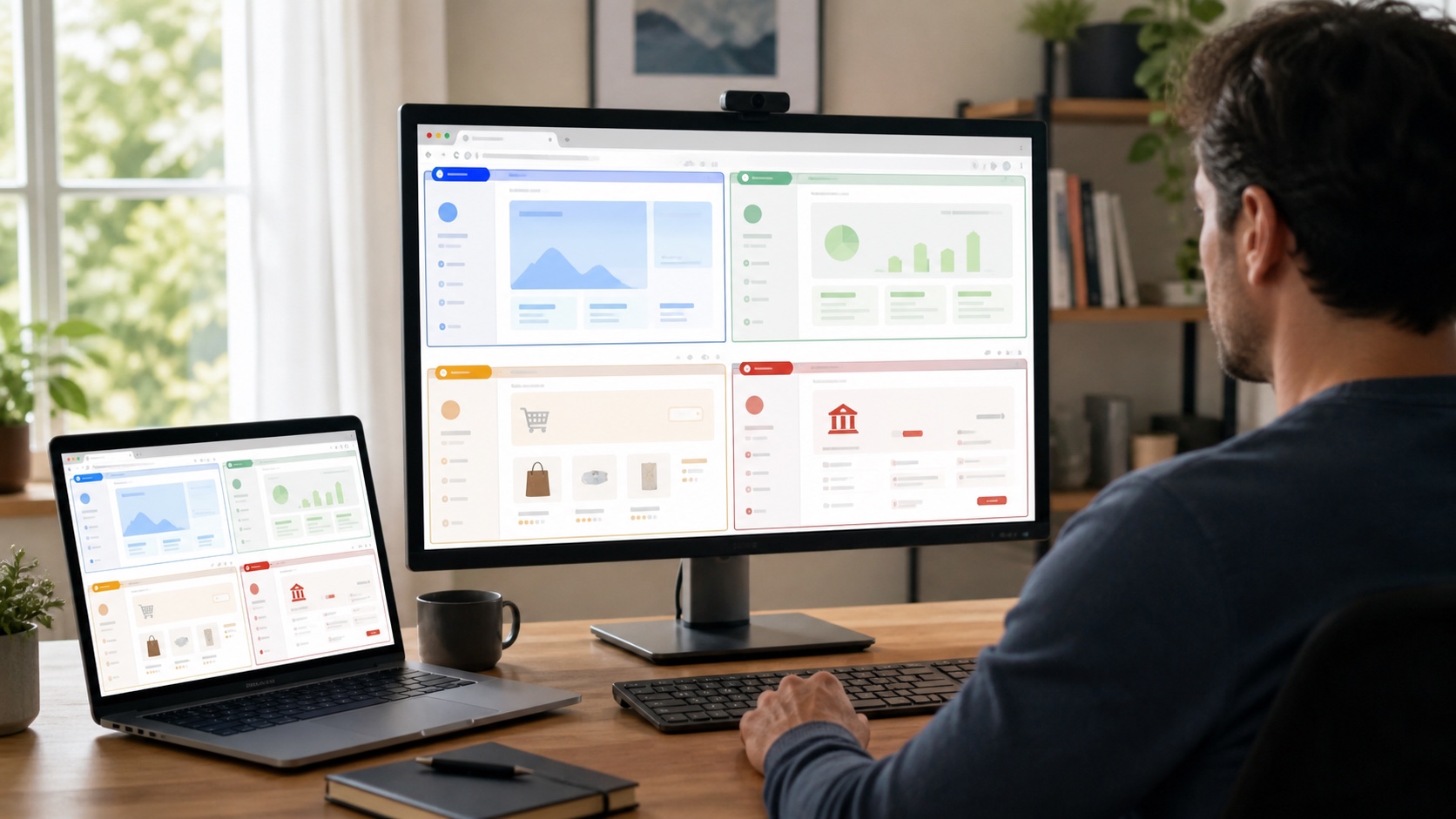
Cover image: generated illustration, not a screenshot of Mozilla's console.

Join the discussion
Comments
Loading comments…