

A vulnerable library appears in a repository. Does the application actually call its affected function? GitHub's October 28 reachability announcement adds that context to Dependabot alerts, helping teams organise remediation.
The official preview targets JavaScript and TypeScript on Enterprise Cloud, including data residency. It requires an npm, Yarn or pnpm lockfile and uses GitHub-hosted runners, not self-hosted runners during the preview. Information was checked on October 29.
Understand verdicts before sorting
The analysis searches for call paths between your code and vulnerable functions. Results distinguish reachable, potentially reachable, unreachable and unavailable analysis.
GitHub says potentially reachable alerts should be treated as reachable. An unavailable result keeps the usual triage process. Even an unreachable verdict does not automatically close the alert.
Our interpretation is that this signal answers a bounded technical question. It does not decide acceptable risk, business criticality or dependency trust on your behalf.
Begin with a small, verifiable sample
Choose several alerts the team already understands. For each one, identify the package, whether it enters the delivered application and which user journey might use it. Compare the analysis evidence with that knowledge.
A development-only library and a library handling public requests may deserve different schedules. However, build tools can hold secrets or generate distributed artifacts. “Not in production” does not mean “without consequences”.
Give each decision an owner and deadline. Automatically reordering a list does not assign responsibility for fixing its contents.
Keep a note of what justified the decision. A reviewer returning weeks later should not need to reconstruct the entire discussion from chat messages.
Resist the reassuring-result shortcut
A missing detected path depends on the code analysed and the mechanism's coverage. Keep important alerts in a review process, especially after architecture or configuration changes.
Document gaps too. Analysis unavailable for a complex monorepo does not establish absence of exposure. The operational status should be “evaluate another way”, not “completed”.
For an exploited vulnerability or sensitive service, compare the result with vendor information and your own observations before delaying a fix. Evidence from one layer should inform the decision rather than silence every other signal.
Measure risk reduction rather than quieter dashboards
During the pilot, compare time spent understanding alerts and time to correct genuinely urgent cases. Also watch exceptions that keep ageing without another review.
An improvement means fixing exposed components faster while retaining a readable justification for other decisions. Fewer visible alerts achieved through blanket dismissal does not demonstrate that.
This capability complements dependency versions in the Dependabot API. One signal describes what is installed; another helps explain how it may be used. Together they support a decision that still needs accountable human judgement.
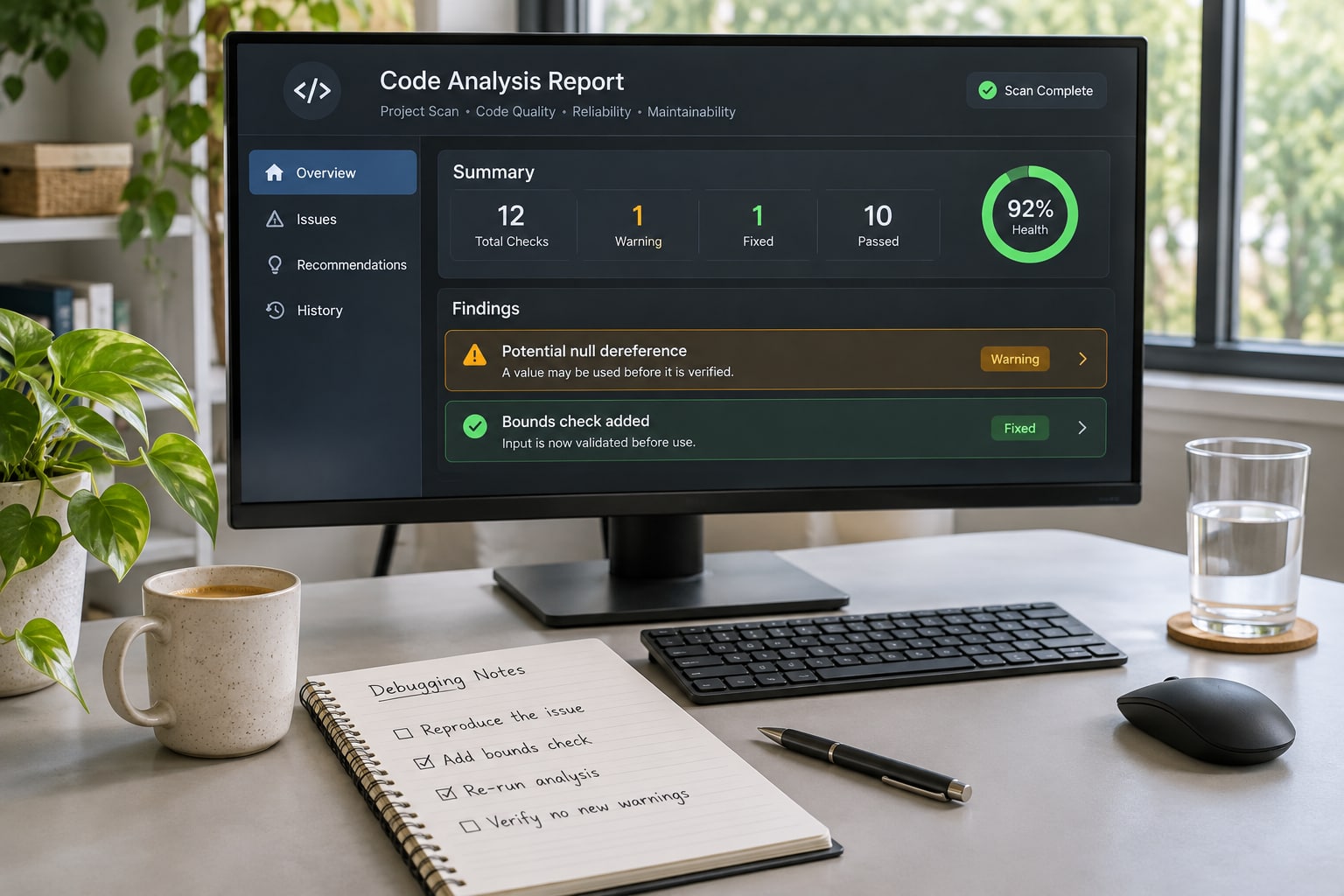
Cover visual: generated editorial illustration, not an official screenshot.


Join the discussion
Comments
Loading comments…